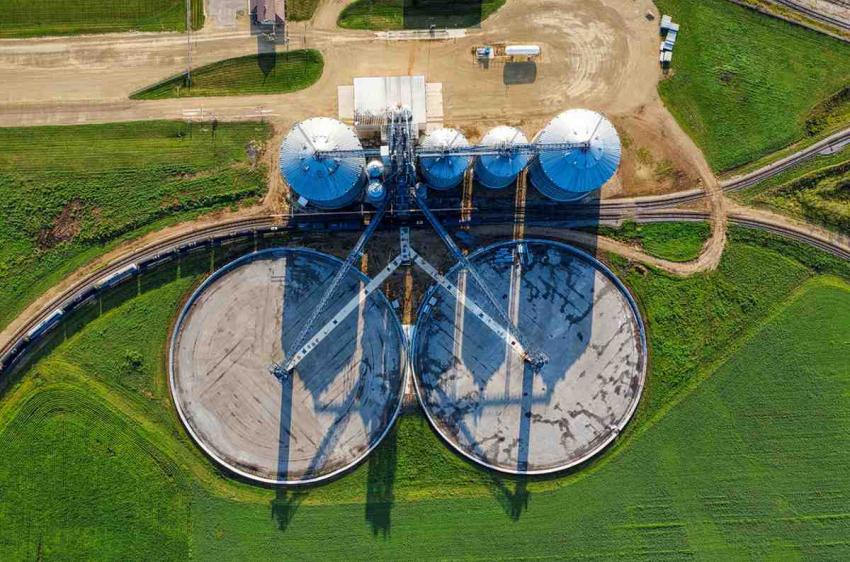
The clean energy sector is expanding rapidly, and among the many options available today, few are as practically grounded as the strategies built around organic waste conversion. This article breaks down the core approaches that are helping companies and farms turn what was once considered waste into a steady, profitable energy stream.
Why the Business Case Has Never Been Stronger
For years, renewable energy conversations focused almost entirely on solar and wind. But in the past decade, a quieter revolution has been taking shape. Investors, policymakers, and agricultural businesses are recognising that biogas, produced through the controlled breakdown of organic material like food waste, manure, and crop residue, offers something that solar and wind cannot: a dispatchable, round-the-clock energy source that does not depend on weather.
The financial case is strengthening for several reasons. Government incentives in the United States, Europe, and parts of Asia have made it easier to secure upfront capital. Tipping fees from waste disposal contracts provide a base revenue layer. And rising natural gas prices have made organic-derived energy more competitive on the open market without heavy subsidies.
Feedstock Diversification as a Profitability Driver
One of the clearest strategies separating profitable operations from struggling ones is how they source their input material. Facilities that rely on a single feedstock, say, only dairy manure or only municipal solid waste, are exposed to supply disruptions and price volatility. The most resilient operations have built diversified feedstock agreements with multiple sources, including food processing plants, restaurants, and farms.
This approach also unlocks tipping fee revenue. When a facility accepts organic waste from a food manufacturer, it often charges for that service. That fee, combined with energy sales, creates a dual revenue stream that significantly improves financial returns.
The Upgrade Opportunity: Turning Gas into Grid-Quality Fuel
A major shift in strategy involves upgrading raw gas into biomethane, which is essentially refined to meet natural gas pipeline standards. This opens access to premium markets. Rather than converting organic gas to electricity on-site and selling it at lower rates, producers can inject pipeline-quality fuel directly into the gas grid or compress it for vehicle fuel.
The economics of this upgrade path have improved considerably. Equipment costs have come down. And in markets where fuel standards reward low-carbon intensity, biomethane can command prices several times higher than wholesale electricity. Transport and logistics companies seeking to reduce their fleet emissions have become reliable buyers, creating long-term offtake agreements that lend financial stability to project developers.
Digestate: The Overlooked Revenue Stream
Most conversations about profitability in this sector focus on energy output. But the solid and liquid material left over after anaerobic digestion, commonly called digestate, is increasingly being sold as a certified organic fertiliser.
For agricultural operations, this is particularly compelling. Instead of purchasing synthetic fertilisers, a farm with its own digester can retain the digestate, reduce input costs, and sometimes sell surplus to neighbouring farms. The circular logic here is hard to ignore: waste goes in, energy and soil amendment come out.
Some operators are going further, processing digestate into pelletised fertiliser products that can be packaged and sold commercially. This adds another revenue line while solving a disposal challenge that many facilities previously had to manage at cost.
Staying Current Through Industry Gatherings
The approaches discussed here are not fixed or unchanging. Technology evolves, regulations shift, and new market opportunities emerge regularly. Professionals working in this space often find that attending a biogas event is one of the most direct ways to track what is working in real operations. These gatherings bring together project developers, technology suppliers, policy experts, and financiers in ways that online research simply cannot replicate. The practical knowledge shared at these events tends to be specific, recent, and immediately applicable.
Policy Alignment and Carbon Credit Revenue
Smart operators pay close attention to policy developments because the financial value of clean energy production often extends beyond the energy itself. Renewable fuel standards, carbon markets, and low-carbon fuel standard programs in various jurisdictions can generate credits that are sold separately from energy.
In California, for example, the Low Carbon Fuel Standard has made certain organic-derived fuel projects highly attractive because of the credit value assigned to fuel with a very low or even negative carbon intensity score. Staying ahead of these programs, and structuring projects to qualify from the outset, is a meaningful competitive advantage.
Case Study 1: Solrød Biogas, Denmark
Solrød Biogas was established by Solrød Municipality, which remains the sole shareholder, driven by the dual goal of resolving a coastal seaweed odour problem and tackling climate challenges through clean energy. The plant processes a mix of agricultural manure and organic waste, feeding the resulting gas into the local energy grid. What makes it stand out is how it closes the loop: digestate is returned to farmland as a nutrient-rich fertiliser, recovering finite resources and improving crop yields, while the project has also generated local employment and broader economic benefits for the community. It is a practical example of the circular model working at municipal scale.
Case Study 2: CalBio Dairy Digesters, California, USA
CalBio has been designing, developing, and operating dairy digester projects since 2006, capturing methane-rich biogas and converting it into renewable natural gas used to power trucks, buses, and other vehicles, or to generate electricity sold back to the grid. The projects are structured to stack multiple revenue streams simultaneously. Because dairy manure pathways can carry a deeply negative carbon intensity score under California's Low Carbon Fuel Standard, the credit value generated can reach well over $50 per MMBTU - more than fifteen times the typical wholesale price of pipeline fossil gas. For participating farms, this has turned a waste management cost into a meaningful income source
Looking Ahead
The economics of this sector will continue improving as technology matures and carbon pricing becomes more widespread. Projects that are built with flexibility, strong feedstock agreements, and an eye on evolving regulations are best positioned to thrive. The core insight, that organic waste is a resource rather than a problem, is gradually reshaping how municipalities, agribusinesses, and energy companies think about their operations.
Frequently Asked Questions
1. What types of waste can be used to produce biogas?
Common feedstocks include animal manure, food scraps, agricultural residue, sewage sludge, and organic industrial waste. The energy yield varies by material type and moisture content.
2. Is this type of energy project suitable for small farms?
Yes, though the scale matters. Smaller farms often benefit from co-digestion agreements with neighbouring operations or partnerships with centralised facilities rather than building standalone systems.
3. How long does it typically take for a project to recover its initial investment?
Payback periods vary widely, but many well-structured projects recover costs within five to ten years, depending on feedstock availability, local energy prices, and applicable incentives.
4. What is the environmental benefit beyond reducing fossil fuel use?
Beyond displacing fossil fuels, these systems capture methane that would otherwise enter the atmosphere from landfills or open manure storage, which has a significant positive climate impact.
5. Are there risks specific to this type of energy investment?
Key risks include feedstock supply reliability, regulatory changes, and equipment maintenance. Mitigating these through diversified supply contracts and thorough due diligence at the planning stage is essential.