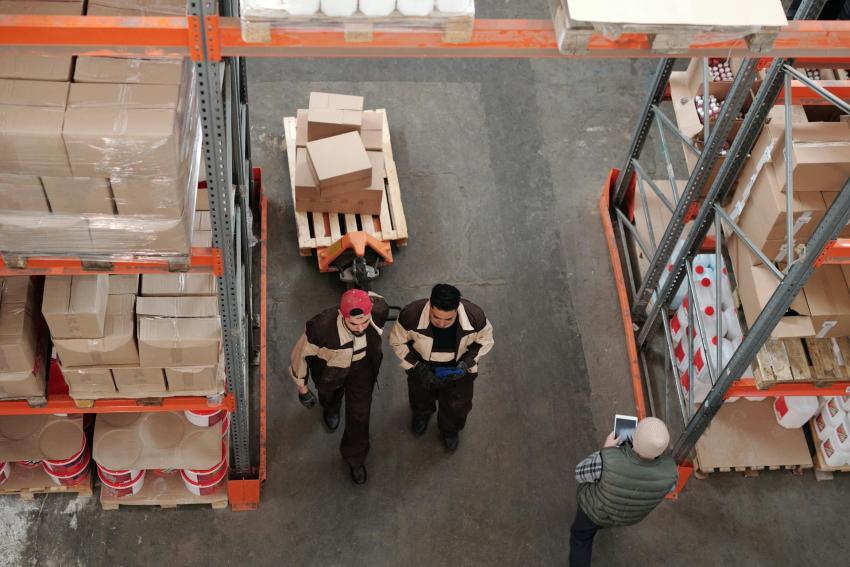
In any warehouse, performance comes down to one thing. How efficiently the product moves from receiving to storage to outbound. When a box hits the dock, every step that follows affects speed, accuracy, operational costs, and labor. Many facilities run into problems that are easy to miss in the moment, like crowded pick paths, inconsistent staging areas, unnecessary travel time, and tasks that put extra strain on the team. Over time, those issues add up and slow everything down. The right material handling solutions can help bring order to the floor, improve flow, reduce errors, and create a workspace built for steady, high-volume output.
Core Components of a Modern Material Handling System
Material handling is more than shifting a pallet. It is the whole setup of tools used to move, keep, and protect inventory. This includes everything from simple hand trucks and heavy racking to smart conveyors. When these tools work together, staff do not have to touch a product five times before it leaves. That repeated handling is usually where most money and time get wasted in a normal shift.
Beating Common Floor Problems
Most warehouses run into the same headaches. Bad layouts mean pickers walk way too far to find one item. A lack of tall shelving leaves expensive floor space totally empty. Labor-heavy setups also cause problems because tired workers make mistakes or get hurt. By fixing how goods travel between different zones, managers keep orders moving at a steady pace, even during a holiday rush.
Getting the Most Out of Your Space
Efficiency is usually found by looking up. Instead of trying to find a bigger building, high-density racks let you grow toward the ceiling. This keeps the floor open for forklifts and people to move fast. When items stay organized and stay within reach, the time spent hunting for lost stock drops to almost nothing.
Mechanical help also changes the job for the crew. Instead of doing all the heavy lifting by hand, staff can focus on checking quality and getting orders right. This switch helps with morale and makes the warehouse much safer. Fewer back injuries mean fewer people calling out sick.
Using Tech and Automation
Newer material handling tools often connect directly with warehouse software, which gives you a real-time view of where inventory is located and how it’s moving. When that visibility is paired with automation like smart conveyors, there are fewer handoffs and fewer opportunities for simple mistakes. Automation can take on more of the repetitive workload and help teams maintain speed and accuracy without the same increase in labor or rework.
Long-Term Savings and Safety
The cost of good equipment might seem high at first, but the savings show up fast. Faster shipping, less broken inventory, and fewer labor hours all help the bottom line. Beyond the cash, a tidy warehouse with clear paths is safer for everyone. Regular maintenance and giving the team the right tools keeps the facility running at its best for years.