In the modern fast-paced consumer market, convenience and portability have become the driving forces behind purchasing decisions. Whether it is a single serving of coffee, a sample of high-end facial cream, or a dose of vital medication, consumers prefer packaging that fits their on-the-go lifestyle. This shift has placed sachet packaging at the forefront of the flexible packaging industry. However, businesses often face a critical dilemma: should they opt for a traditional flat sachet or a sleek stick pack? Both styles offer unique benefits, and choosing the right one can significantly impact your brand’s shelf appeal and production efficiency.
Understanding Sachet Packaging: The Classic Choice
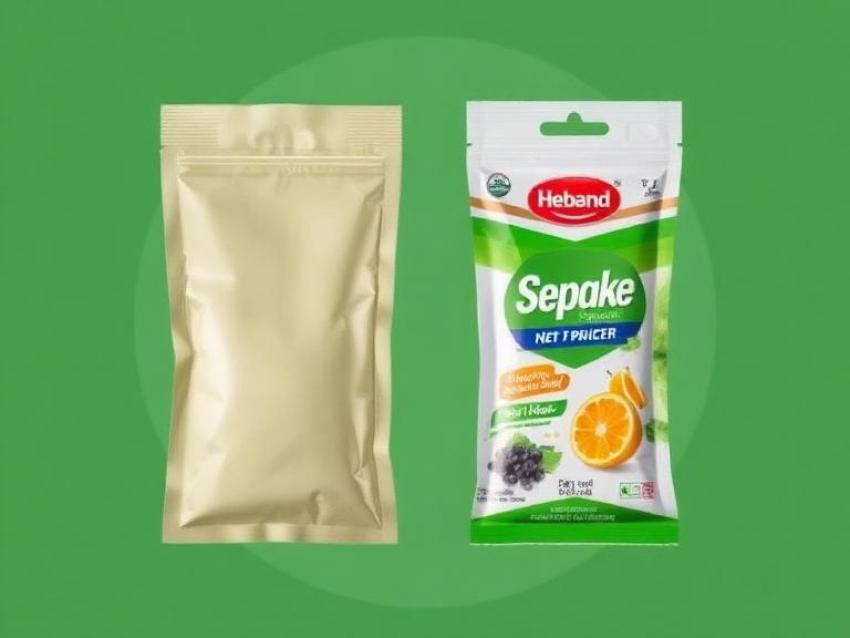
A sachet is a flat, rectangular or square pouch that is typically sealed on three or four sides. It is one of the most versatile forms of flexible packaging used globally. Because of its flat nature, it provides a large surface area for branding, product information, and eye-catching graphics.
Sachets are ideal for products that require a larger volume or those that are not necessarily meant to be poured into a narrow opening. You will commonly find them used for liquid condiments like ketchup, cosmetic samples, and moist towelettes. The sturdy nature of a four-side seal sachet ensures a high level of burst resistance, making it a reliable choice for liquid-heavy products.
Understanding Stick Pack Packaging: The Modern Alternative
Stick packs are narrow, tube-shaped pouches that are generally much taller than they are wide. Unlike the sachet, a stick pack is formed with a vertical "lap seal" or "fin seal" on the back and two seals at the top and bottom. Its primary selling point is its "pourability."
The narrow shape makes it incredibly easy for consumers to pour the contents into a bottle of water or a small opening without spilling. This has made stick packs the gold standard for the nutraceutical and beverage industry, particularly for energy drink powders, protein supplements, and granulated sweeteners.
Key Differences: Sachet vs. Stick Pack
To help you decide which format suits your product better, let's break down the comparison into four essential categories: Branding Space, Material Usage, Consumer Convenience, and Product Type.
1. Branding and Aesthetic Appeal
If your marketing strategy relies heavily on visual storytelling and detailed information, sachet packaging is the clear winner. Its wide, flat face acts as a mini-billboard. You can include large logos, detailed ingredient lists, and even QR codes without making the design look cluttered.
On the other hand, stick packs have a very limited "real estate" for printing. While they look modern and sleek, you are often limited to a logo and basic text. Stick packs are perceived as "premium" and "sporty," which appeals to a younger, active demographic.
2. Material Efficiency and Sustainability
In terms of sustainability, stick packs generally have a smaller environmental footprint. Because of their slim geometry, stick packs require about 25% to 40% less flexible film material than a sachet of the same volume. This reduction in material not only lowers your carbon footprint but also reduces the overall cost of consumables over a long production run.
Sachets, while using more material, offer better protection for certain sensitive products because they can accommodate thicker, multi-layered laminate films with high barrier properties more effectively.
3. Consumer Handling and Convenience
The choice often boils down to how the consumer will use the product. If the product needs to be squeezed out (like a gel or thick cream), the wider opening of a sachet is preferable. If the product is a free-flowing powder intended for a water bottle, the stick pack is superior because it prevents the "messy pour" that often happens with wide-mouth sachets.
4. Product Volume and Capacity
Sachets are much more flexible when it comes to volume. They can hold anywhere from 1ml to 100ml or more. Stick packs are generally restricted to smaller doses, typically between 1g and 30g of powder or liquid. If you are packaging a large-serving meal replacement or a bulky chemical powder, a sachet is likely your only viable option.
Industry-Specific Applications
The Food and Beverage Sector
For granulated products like sugar or salt, the stick pack has become the industry standard in cafes and airlines. However, for liquids like honey or salad dressings, the sachet remains the preferred choice due to its stability and ease of opening.
Health and Beauty
The beauty industry loves sachets for "try-before-you-buy" samples. The flat surface allows for high-quality photography of the product to be printed directly on the pack. Stick packs are rarely used here unless the product is a liquid supplement or a single-use hair serum.
Pharmaceuticals and Nutraceuticals
Precision is key in pharma. Both formats are used, but stick packs are gaining ground for "on-the-go" vitamins. Sachets are often used for medicinal powders that require a larger dose or for sterilized medical wipes.
Technical Requirements for Production
Once you have decided on the style, the next step is considering the machinery. Transitioning from a sachet to a stick pack usually requires different tooling or entirely different machines.
For businesses looking to scale, investing in an automatic packaging machine is the most effective way to ensure consistency and speed. These machines are designed to handle high-speed filling while maintaining tight seals to prevent leakage. For sachets, a multi-lane VFFS (Vertical Form Fill Seal) machine is often used to produce multiple sachets at once. For stick packs, specialized stick pack machines use a single roll of film which is slit into several narrow strips to form multiple tubes simultaneously.
Modern equipment now comes with advanced sensors that check for seal integrity and print alignment in real-time. Whether you choose a sachet or a stick pack, the reliability of your automatic packaging machine will determine your product’s shelf life and your overall production waste.
Making the Final Decision
To conclude, if you need maximum branding space and are packaging liquids or gels, the sachet is your best bet. If you want to offer the ultimate convenience for powders, save on material costs, and present a modern image, the stick pack is the way to go.
By evaluating your product’s physical properties and your target audience's habits, you can choose a packaging style that not only protects your product but also enhances its value in the eyes of the consumer.
Frequently Asked Questions (FAQs)
Is sachet packaging more expensive than stick pack packaging?
Generally, sachets can be slightly more expensive because they use more film material per unit. However, the cost also depends on the type of film (foil, plastic, or paper) and the speed of the machine used for production.
Can I use the same machine to produce both sachets and stick packs?
Usually, no. Stick pack machines and sachet machines have different forming and sealing mechanisms. While some modular machines exist, most high-speed production lines are dedicated to one specific format for maximum efficiency.
Which packaging style provides a better shelf life?
Both styles provide excellent shelf life if high-quality barrier films are used. However, sachets are often easier to produce with a 4-side seal, which provides a slightly more robust barrier against oxygen and moisture compared to the back-seal of a stick pack.
Are stick packs and sachets recyclable?
Recyclability depends on the material layers. Many are made from multi-layer laminates (like PET/Foil/PE) which are difficult to recycle. However, there is a growing trend toward "monomaterial" films that are fully recyclable for both formats.
What is the typical lead time for an automatic packaging machine for these formats?
Lead times vary by manufacturer but typically range from 12 to 20 weeks. This includes the engineering, assembly, and testing phases to ensure the machine meets your specific product requirements.