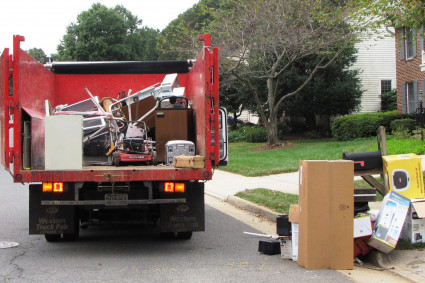
Waste management is essential to maintaining the accessibility, health, and sustainability of UK cities. It is a scheduled time that includes collection, sorting, recycling, and safe disposal of waste. The collection of household and industrial waste is effectively managed through municipal councils and private contractors.
Plant recycling allows waste to be turned into reusable products, reducing strain on landfills, while the system drives proper waste disposal and uses advanced manufacturing to generate energy from waste, and grows cleaner cities. Cheadle skips companies that help in the effective recycling and removal of garbage. Overall, everyone enjoys a cleaner environment and streetscape when garbage is effectively collected.
Effective Systems for Collecting Waste
In the UK, efficient waste collection systems with schedules are an initial step in waste management. Officials ensure that residential and commercial waste is stored regularly to prevent overcrowding and maintain cleanliness. The process is organized and green with separate boxes for organic waste, recyclables, and mixed waste. This systematic technique helps keep the streets smooth and reduces avenue litter. People are encouraged to separate their waste to be collected through responsible waste collection activities because they understand that waste must be disposed of properly. Thus, for residents and employees, cities are both visually attractive and environmentally safe.
Source-based Waste Segregation
An effective way to improve waste management is through waste segregation. UK households and organizations are being supported to separate plastic, glass, and paper products from various waste streams. This process recycles nicely and reduces pollution. In addition, separating the waste reduces the amount of waste on its way to the landfill, detention sources, and landfill area. By making waste management routine, citizens play an important role in building and maintaining clean cities. This lightweight and effective travel sheet is a green and sustainable waste management device.
Recycling Initiatives
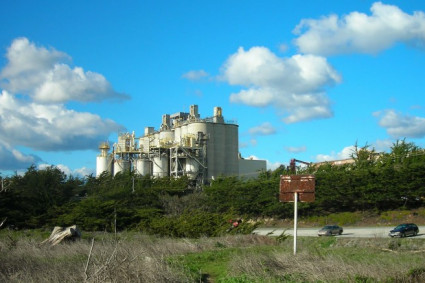
Recycling complexes are important for waste management within the UK as they reduce environmental impact and preserve assets. Collected recyclables are transported to recycling plants, where they are cared for, dried clean and processed into new items. This process is energy-efficient and uses fewer resources. And recycling can make cities smoother by helping to eliminate waste from landfills. Public participation is critical to implementing those plans because proper disposal results in good recycling. Overall, recycling makes cities smaller and greener and more sustainable.
Controlled Use of Landfills
Landfill usage has decreased, although it is still a component of the UK's waste management system. In order to reduce damage to the environment, contemporary landfills are strictly monitored. Engineered cutting and aspecting techniques prevent the spread of hazardous materials into groundwater and soil. The methane emissions can be captured through gasoline storage devices and used as a power supply. Strict monitoring ensures that landfill operations comply with ecological regulations. The UK reduces environmental concerns and cleans up the environment through efficient landfill management. This methodical approach ensures the safe and efficient handling of even non-recyclable waste.
Waste-Energy Methods
Waste-to-electricity plays an important role within the waste quadrant in the UK. The recycled waste is processed in special plants that produce power and heat. This makes the energy supply sustainable and reduces waste in landfills. These plants have strict environmental policies to ensure certain safe emissions. By turning waste into energy, cities can reduce carbon emissions without compromising cleanliness. This progressive response turns waste into a precious resource, increases the efficiency of waste management, and contributes to additional environmental performance in metropolitan areas.
Campaigns for Public Awareness
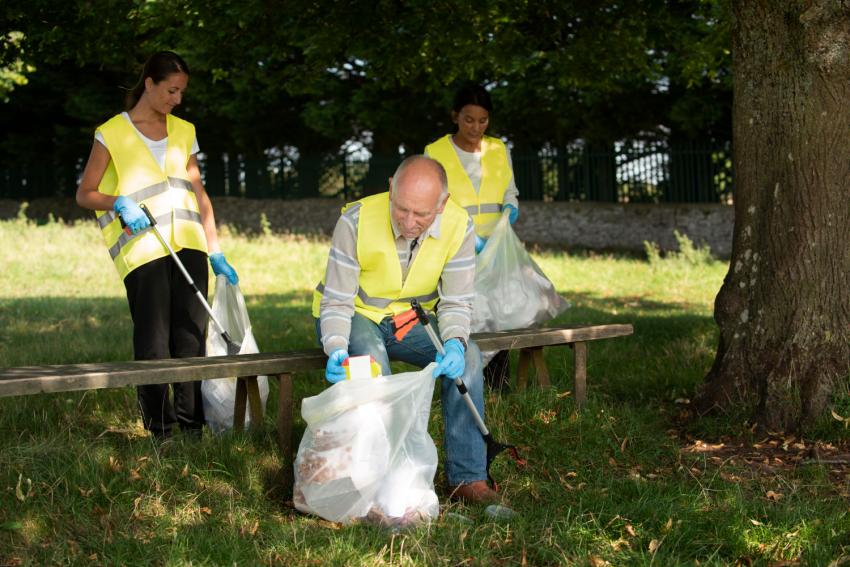
Public attention campaigns to encourage responsible waste disposal within the UK are essential. The municipalities and environmental companies educate people about recycling, waste reduction, and proper disposal. People can learn how they are able to work to keep their communities running smoothly with labeled containers and daily updates. And the packages trigger a behavioral change with recycling of products and reduction of plastic that is not used in marriage. Informed residents adhere to proper waste disposal practices. This partnership significantly improves the streetscape, pollution, and atmosphere of the city.
Organic Waste Compost
An important natural waste management method that includes food scraps and yard waste is composting. Many neighboring authorities within the UK provide packaging containers to store organic Rila which is composted. Through a biological process, the waste is converted into a nutrient-rich material that can be used in agriculture and landscaping. This reduces methane emissions and landfill waste. It also encourages sustainable exercise through nutrient replenishment. Organic waste can make cities more agile, healthy, and sustainable.
Final words
Waste control in the UK is a fully organized machine that involves the involvement of the public, government systems, and technological developments at every stage, from proper waste chains to recycling to electricity regeneration, enabling the creation of cities that are healthier and more sustainable. The UK is a prime example of how powerful waste management can sustain those improvements and sell responsible behavior to produce better living conditions for future generations.