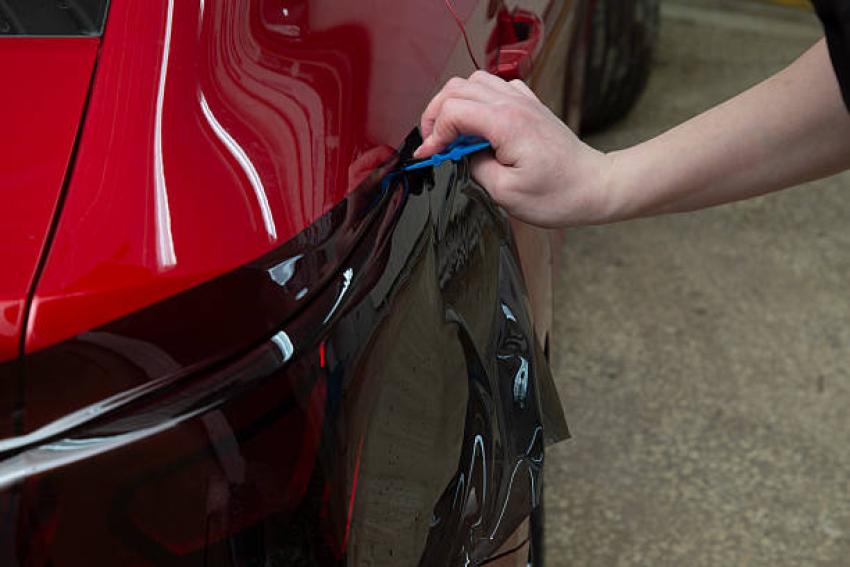
Your car's paint tells a story. Sometimes, that story includes light swirls, tiny scratches, or dull spots. And when you spot them, you may feel annoyed quickly. After all, you work hard for your car. So you want it to look clean and cared for.
Here is the good news—many paint flaws are small and can be improved with the right care. However, not every mark can disappear in one step. That is where paint protection services in Central Valley CA can help by combining safe cleaning, gentle correction, and a protective layer. As a result, your paint can look smoother and stay that way longer. In this guide, you will learn what can improve, what cannot, and how to choose the right next step.
1) Minor Paint Imperfections With Paint Protection Services in Central Valley CA
Minor paint issues usually sit on the top surface. So they often look worse than they are. Also, many things happen in normal life, like washing or dusty winds.
"Most 'new' scratches are actually tiny marks in the clear coat."
Still, you should name the problem before you fix it. Otherwise, you may waste money or time.
Common minor imperfections include:
Light swirl marks from washing
Fine scratches that don't catch your fingernail
Water spot rings
Faded or dull areas from the sun
However, deep chips and peeling paint are not "minor." Those often need paint repair.
2) What Paint Protection Can Fix, And What It Can Only Hide
Paint protection work can improve some flaws. But it can't turn broken paint into new paint. So it helps most when the damage stays shallow.
Here are quick signs that it may help:
The scratch looks white, but it feels smooth
The mark fades when the surface is wet
The spot looks dull, not cracked
Also, Central Valley paint protection services can "mask" tiny defects by improving gloss. As a result, your eyes notice the shine more than the flaw. If you want a simple rule, use this: If paint is missing, protection won't replace it. Instead, it can protect the area after touch-up.
3) How The Process Usually Works, Step By Step
A good process follows a clear order. First, pros clean the surface fully. Next, they remove what sits on top. Then, they improve what's underneath.
Step 1: Safe wash and decon
Dirt can hide defects. So a deep clean matters. Also, it prevents new scratches during later steps.
Step 2: Light paint correction
This step levels tiny clear-coat marks. As a result, swirls and haze can fade a lot.
Step 3: Add protection
This last step adds a barrier. So the improved finish stays cleaner longer.
As you compare paint protection services in Central Valley CA, take time to ask what steps are included so you can choose the right option with confidence.
4) A Simple Table Of Fixes Vs Limits
It helps to match each flaw to the right solution. So use this table as a quick guide.
Paint issue Can protection help? Why does it help or not
Light swirls Yes, often Correction can level shallow marks.
Fine surface scratches Yes, sometimes Results depend on depth and location.
Water spots Often Cleaning and polishing can reduce etching.
Oxidation or dullness Yes Polishing can restore gloss.
Rock chips Not fully Paint is missing, so you need to touch up first.
Peeling the clear coat No The layer failed and needs repainting.
Math Facts:
- If 1 panel has 10 tiny swirls, you still see them in sunlight.
- If you reduce them by 8, that's 80% fewer marks.
- 80% less glare often looks like a big upgrade.
So even a small improvement can feel huge.
5) When Paint Protection Is The Wrong Tool
Sometimes the honest answer is "not yet." That can save you from disappointment. Also, it keeps your car safer in the long run.
"Protection works best on healthy paint."
Skip protection-only fixes when you see:
- Cracking or peeling the clear coat
- Rust bubbles under paint
- Deep scratches that catch your nail
- Wide chips with bare metal
In those cases, repair comes first. Then, paint protection Central Valley can help keep the new paint looking better. This is where conversations often get real. People want shine, yet paint health comes first.
6) How To Check Your Paint At Home Before You Decide
You can do a quick check in under 10 minutes. So you don't guess.
Try this simple list:
- Look under direct sunlight, or use a phone flashlight
- Feel the mark gently with a clean finger
- Spray water on the area and watch the changes
- Take two photos: dry and wet
Also, don't scrub hard. That can add new swirls. If the scratch "disappears" when wet, it's often shallow. So light correction may help. If it still shows strong, it may be deeper. For many drivers, paint protection services start with this kind of basic check.
7) How To Get The Best Result And Avoid Repeat Damage
Once the paint looks better, you'll want it to stay better. So your daily habits matter a lot.
Use these easy habits:
- Wash with clean mitts, not old sponges
- Rinse dirt off first, then wash
- Dry with soft towels, not rough rags
- Park in the shade when you can
Also, keep expectations realistic. Protection can reduce future wear. However, it won't make you "scratch-proof." If you want the next step, compare notes with a few local pros. You can also ask one team, like J3 Mobile Detail, to explain what your paint needs—then decide what feels right for your car and your budget.