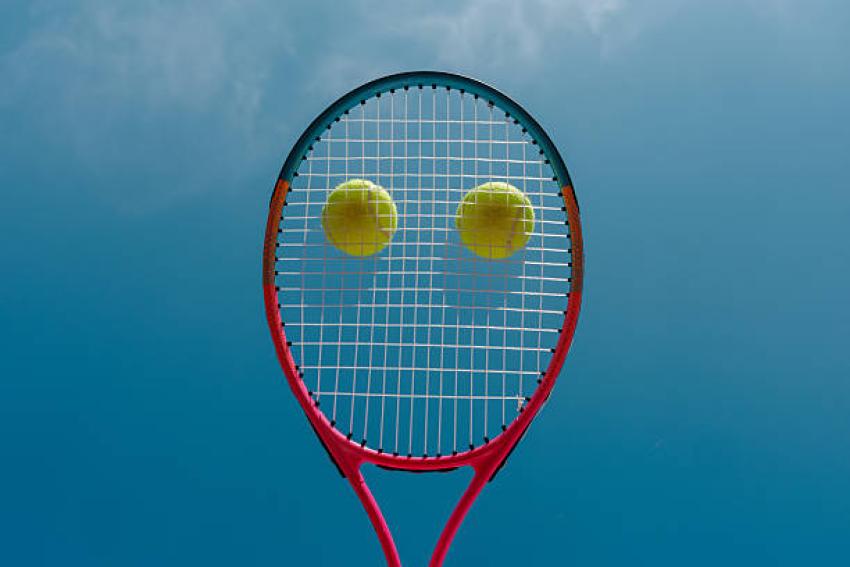
If you want your child to listen better, finish tasks, and stay calm, you are not alone. Many parents feel tired of daily battles. Discipline can feel like a big word. Yet it really means steady habits. It means doing the right thing, even when it is hard. Tennis can help with that. It mixes movement, rules, and clear goals. Also, it gives kids quick feedback. They see what works right away. That can shape better choices. A tennis training academy in San Jose CA, can also bring structure to busy weeks. Kids show up on time. They follow the drills in order. Then they learn to handle wins and losses. Over time, those lessons can carry into school and home.
1) Tennis Training Academy in San Jose CA: Discipline Starts With Simple Routines
Routines make discipline easier because kids know what comes next. Tennis training often follows the same pattern each session. First, kids warm up. Next, they do footwork. Then they practice swings and serves. So the day feels organized, not random. Also, coaches repeat key rules each time. That repetition builds strong habits.
Here are routines that often build discipline:
- Arrive early and greet the coach
- Put water, towel, and gear in one spot
- Start drills on a signal, not on a mood
- End with a short cool-down and clean-up
These small steps matter. Over time, kids stop fighting structure. Instead, they start using it.
2) Tennis Teaches Goal Setting That Kids Can Understand
Discipline grows when kids chase clear goals. Tennis works well because goals can be small and measurable. Also, kids can feel progress in days, not months. That quick progress keeps them trying. So they learn to stick with hard work.
Small goals that feel “doable”
Kids can aim for ten good forehands in a row. Then they can aim for a serve that lands in the box.
Tracking progress without pressure
Coaches can write a simple scorecard. Kids can see growth without feeling judged.
In a tennis training academy in San Jose CA, goal setting can feel natural. It fits into drills and games. Also, goals teach kids to plan. That planning supports better discipline at school.
3) Mistakes Become Lessons, Not Meltdowns
Kids often fear mistakes. Yet tennis includes mistakes in every match. The ball hits the net. A serve goes long. So kids must reset fast. That reset is a discipline skill. It teaches emotional control and patience. Also, it teaches kids to focus on the next point.
You may hear a helpful reminder like this:
“You can’t change the last shot, but you can choose the next one.”
That idea can stick for life. Kids learn to breathe, adjust, and try again. Over time, they handle homework errors better, too. They may also argue less. Discipline grows when kids stop spiraling. Instead, they practice calm recovery.
4) Coaches and Teammates Create Positive Pressure
Kids often try harder when others expect effort. Tennis healthily gives that. A coach watches posture and focus. So kids learn to stay “locked in.” Also, teammates notice effort during group drills. That shared space can raise standards.
One parent might say:
“My child works harder when the coach believes in them.”
Belief in their abilities can motivate kids to keep trying and help shy players become more confident. Tennis also builds respect by teaching children to listen, wait their turn, and support others. At a tennis academy near San Jose, older players often act as role models who demonstrate what discipline looks like in action.
5) Time Management Improves Off the Court
Discipline is not only about sports. It is also about using time well. Tennis training can teach kids to plan their day. First, they practice. Then they recover. Next, they finish schoolwork. So they learn balance.
Helpful time skills often include:
- Packing the bag the night before
- Using a simple homework timer
- Eating a snack before practice
- Going to bed at a steady time
These steps feel small. However, they reduce stress. Also, they cut down on last-minute chaos. When kids feel less rushed, they act calmer. That calm supports better choices. Over time, the “practice schedule” becomes a life skill.
6) What Research Suggests About Sports and Self-Control
Many studies link youth sports with stronger self-control and better behavior. Sports often train attention, planning, and persistence. Also, structured practice can support executive function skills. Those skills help kids pause before reacting. They also help kids finish what they start.
A coach may explain it in simple words:
“Discipline is practice you can trust, even on bad days.”
That matches what many families notice. Kids learn to follow rules under pressure. They also learn to accept feedback. In a tennis training academy in San Jose CA, that feedback can come fast. So kids practice self-control again and again. Over time, “try again” becomes automatic.
7) How Parents Can Support Discipline at Home
Training helps most when home routines match the same values. You can keep it simple. First, praise effort, not talent. Next, set clear limits with kind words. Then, let kids solve small problems. So they build confidence and self-control.
Math Facts:
If practice is 60 minutes, 3 days a week, that is 180 minutes.
That equals 3 hours weekly.
In 10 weeks, that becomes 30 hours of focused practice.
Here is a simple way tennis lessons can connect to life skills:
Tennis Habit Discipline Skill Home Example
Warm-up daily Consistency Start homework at the same time
Serve practice Patience Try again after a wrong answer
Match rules Respect Use calm words in conflict
A San Jose tennis training academy can provide the structure kids need, while parents help strengthen those habits every day. With the right support, your child’s focus and confidence can continue to grow. Bay Team Tennis Academy is ready to support that next stage of development. Take the next step and see how your child’s potential can grow through tennis.