The humble plastic bag is more than just a grocery carrier; it is a high-performance, waterproof, and flexible membrane that can save a DIYer hours of cleanup and frustration.
Whether you are a weekend warrior or a dedicated maker, here are five essential hacks that prove the plastic bag is the ultimate unsung hero of the home project. https://www.consortplastics.co.za/beyond-the-grocery-run-5-genius-ways-to-repurpose-plastic-bags/
1. The Overnight Paint Saver
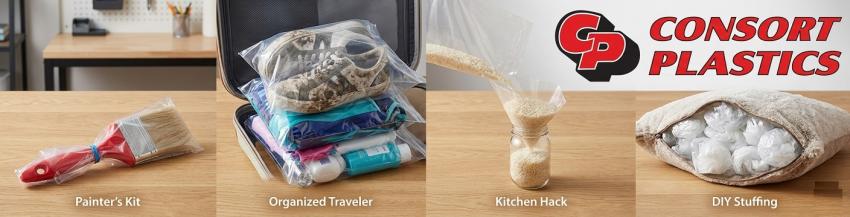
The most tedious part of any painting project isn't the painting—it’s the cleanup. If you’re tackling a multi-day project, don’t spend thirty minutes washing your brushes and rollers every evening. Instead, wrap your wet brushes or rollers tightly in a plastic bag and seal the opening with a rubber band or painter's tape. By removing the air, you prevent the paint from oxidizing and hardening. For an extra-long break, pop the wrapped brush in the refrigerator. It will stay supple and ready for a second coat the next morning.
2. The Instant Gravity Funnel
Need to transfer sawdust into a bin, or pour a bulk bag of screws into a small organizer? Or perhaps you're mixing a small batch of grout? A plastic bag makes a perfect, no-mess funnel. Fill the bag with your material, snip one of the bottom corners, and you have a precision delivery system. This is particularly useful in the kitchen for DIY baking or in the garage for managing small hardware without a spill.
3. Disposable Tray Liners
Plastic paint trays are great until you have to scrape dried latex off them. Before you pour your paint, slip the entire tray inside a large plastic shopping bag and tuck the excess underneath. Once your project is finished, simply peel the bag off and toss it. Your tray remains pristine, and you’ve avoided the water-intensive process of scrubbing it in the sink.
4. High-Efficiency Furniture Stuffing
If you are reupholstering a footstool or creating custom floor cushions, you know that high-quality foam can be expensive. For items that require a bit of "bounce" and bulk, clean plastic bags make excellent filler. When crinkled and stuffed tightly, they provide a springy, resilient support that doesn't collapse like cotton batting. Plus, unlike organic fibers, plastic doesn't absorb moisture, making it an ideal choice for outdoor patio cushions.
5. The "Clean Hands" Glue Spreader
Applying wood glue or epoxy usually ends with sticky fingers and messy towels. Next time you need to spread adhesive over a large surface, wrap a plastic bag around your hand like a glove. You can spread the glue with total tactile control, and when you're done, simply peel the bag off inside-out. Your hands stay clean, and you can move immediately to the next step of your project without a trip to the sink.
Why It Works
From a technical perspective, the high-density polyethylene (HDPE) used in most bags is chemically resistant and incredibly durable. For a DIYer, this means a tool that won't react with most paints, glues, or household chemicals. Next time you reach for that "bag of bags," remember: you aren't just looking at storage; you're looking at a toolkit of possibilities.