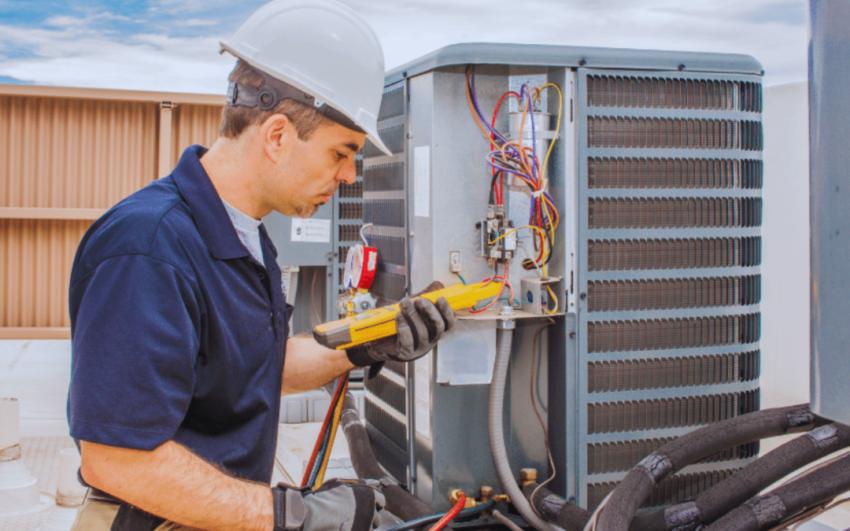
Homeowners and businesses now make energy efficiency their primary goal because it helps them decrease their electricity costs while reducing their impact on the environment. The proper operation and upkeep of heating, ventilation, and air conditioning systems becomes essential because these systems account for a substantial portion of total energy usage. HVAC Repair Company in Fort Worth that possesses advanced skills discovers that homeowners experience three main problems, which include malfunctioning equipment, incorrect maintenance practices, and failure to perform necessary system updates that lead to monthly expenses.
Schedule Regular Maintenance for Optimal Performance
The most efficient method to maintain your HVAC system at optimal performance involves conducting routine maintenance activities. Technicians suggest that people should establish two professional inspection appointments, which should occur once before the cooling season starts and another time before the heating season begins. Technicians perform internal component cleaning operations while they monitor refrigerant levels and inspect electrical connections to verify that all equipment functions properly. Your system experiences increased energy requirements because even small problems, such as dirty coils and loose wiring connections, force it to operate at higher capacities.
Replace or Clean Air Filters Frequently
Keeping indoor air quality and airflow at their best is an essential function performed by air filters. When an air filter becomes too dirty or clogged with dirt, dust, pet hair, and/or other debris, the HVAC system must work harder to circulate air. As a result, the additional strain placed on the HVAC system increases energy consumption and lowers its efficiency. HVAC technicians recommend checking your filters every month and replacing or cleaning them every one to three months based on how often they are used and other environmental factors. Homes with pets and/or high levels of dust may need their filters changed more frequently than once per month.
Upgrade to a Programmable or Smart Thermostat
The cheapest option to enhance your energy efficiency is to upgrade to a programmable or smart thermostat. Programmable and smart thermostats offer you the ability to set a temperature schedule based on your normal daily activities. For instance, you can set cooling and heating to lower temperatures when you are not home and raise them before returning home. Smart thermostats take it a step further by learning how you use your heating and cooling units and adjusting the temperature settings on their own. As a result, when HVAC technicians recommend upgrading thermostats, it is because they eliminate unnecessary energy usage while still providing you with the comfort you desire. Over time, the cost you spent on upgrading your thermostat should pay for itself in savings on your energy bill.
Seal and Insulate Ductwork Properly
In many homes, leaky ducts are a big problem that is frequently ignored. When duct systems have gaps or weak connections, conditioned air escapes before it gets to your living areas. Therefore, the HVAC systems have to run harder to keep a desired temperature and waste energy at the same time. Experts recommend having your ductwork checked and sealed up as needed. Additionally, insulating ductwork, especially in attics or crawlspaces, will help keep the air inside at the same temperature as it moves through the system. When adding insulation to ducts, some cases may see a 20% increase in efficiency by sealing leaks.
Keep Vents and Outdoor Units Clear
Inside the house, make sure there isn't anything blocking or obstructing the vents or registers with furniture, curtains, or rugs. Blocked vents make it more difficult for the system to work properly, so it has to put out more energy than needed to make up for the loss in airflow. Outside, make sure the outdoor unit has enough clearance to operate effectively. Technicians recommend keeping at least two feet of open space around the outdoor unit. Keep the area around the unit clear of debris and cut back any plants or shrubs growing in the region. A clean and clear outdoor unit can operate with greater efficiency and put less strain on the system.
Use Energy-Efficient Settings and Practices
You can decrease energy consumption by making minor modifications to the way you use your HVAC system. For example, by adjusting your thermostat up several degrees in the summer and down several degrees in the winter, you can significantly reduce energy use while still being comfortable at home. Using ceiling fans will also help you distribute air throughout your home, enabling you to lessen reliance on your HVAC system. Closing curtains or blinds on very hot days will significantly decrease heat gain, whereas opening curtains or blinds during the winter will help to naturally warm your home. These minor changes, when implemented together, will have a significant impact on your energy savings.
The End
In addition to reducing your utility bill, energy efficiency is also about developing a more comfortable and environmentally responsible living environment. You can improve your HVAC system's efficiency by maintaining your unit, using it appropriately, and upgrading as necessary. Whether you are making small changes or purchasing a new HVAC unit, you will see a difference in your energy efficiency. By taking proactive steps now, you will have a more comfortable home, save money over time, and help reduce your carbon footprint.