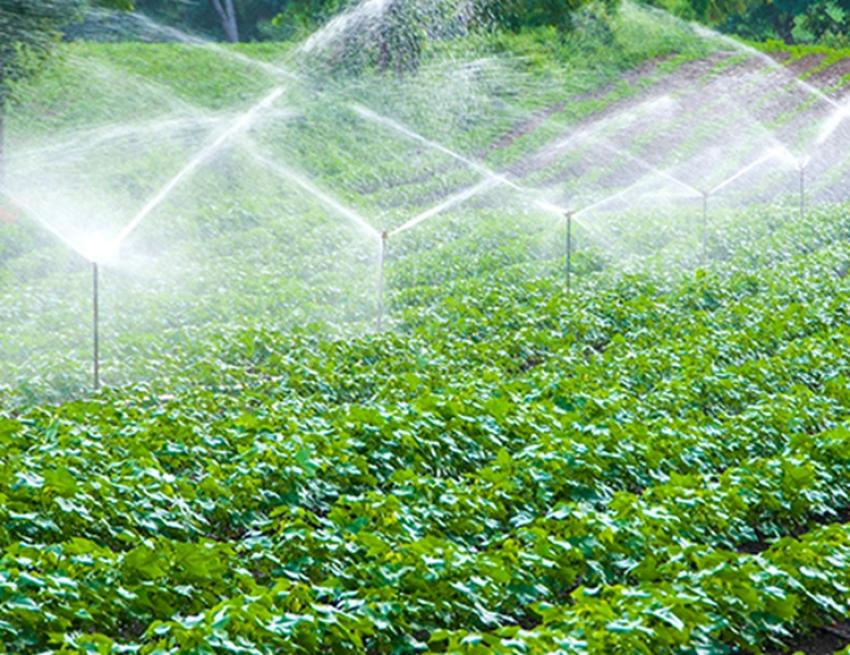
Somewhere along the way, farming stopped being just about being physically present in the field all the time. Work has grown, fields have expanded, and farmers often find themselves managing more than one responsibility at once. Still, irrigation needs don’t wait. Water has to be given at the right time, whether someone is standing there or not.
That’s really where Remote Farm Management Using Smart Irrigation Systems starts fitting into day-to-day farming.
Agricultural and water management in changing farm routines
If you look at how things run in places like Uttar Pradesh, most farms still follow a rhythm that hasn’t changed much. You know when to irrigate, when to stop, how long a field usually needs water.
The difference now is not knowledge, it’s time.
Managing one field is one thing. Managing a few, along with everything else, is different. That’s where agricultural and water management begins to shift a little. Not in a big dramatic way, just in small adjustments that make the routine easier to keep up with.
Supporting remote work
At its core, a smart irrigation setup is not doing anything magical. It’s just taking care of timing and repetition.
Instead of someone going and starting the system every single time, the schedule is already set. The water runs when it should, stops when it should.
If needed, it can also be checked or adjusted without being physically there. For many farmers, that simply means one less thing to worry about during the day.
Why consistency matters most ?
Most issues in irrigation don’t show up immediately. Everything looks fine at first.
Then, after some time, you start noticing small differences. One patch looks slightly better, another slightly behind. Usually, it comes down to how evenly water was given.
Management of the farm improves when this becomes consistent. Not perfect, just consistent enough that the field doesn’t get uneven over time.
Reducing daily back-and-forth work
A lot of irrigation work is repetitive. Starting pumps, checking lines, turning things off, then doing it again the next day. It doesn’t seem like much in one cycle, but over weeks and months, it adds up.
When systems take care of some of that routine, farmers don’t lose control. They just don’t have to keep going back and forth for the same tasks. That alone makes a noticeable difference during busy periods.
Seeing what’s actually happening with water use
One quiet change that comes with these systems is visibility.
Earlier, irrigation was mostly based on habit. Now, there’s a bit more clarity on how water is being used.
Not in a complicated way. Just enough to notice if something is off. Maybe water is running longer than expected, or not reaching as evenly as before. That kind of small awareness helps keep farm management on track without overthinking it.
Adjusting when conditions change
Weather doesn’t always follow the plan.
Sometimes there’s unexpected rain. Sometimes the soil dries faster than usual. These things affect how irrigation should happen, but they’re not always easy to respond to in time.
With smart systems, schedules can be adjusted without much delay. Either automatically or manually, depending on how the setup is.
It just makes it easier to respond when things don’t go exactly as expected.
Where flow control actually matters ?
Even with all this, water still behaves the way it wants inside the pipeline. Pressure changes, flow shifts, and if nothing controls that, the system won’t stay balanced.
That’s where something like a flow control valve comes in. It doesn’t do anything flashy. It just keeps the flow from going too high or too low. And when that stays in check, the rest of the system usually follows.
A different approach to these systems
At Automat, the thinking stays simple.
The system should just keep doing its job once it’s set, without needing someone to keep checking on it all the time. It also needs to handle the kind of conditions farmers deal with every day, not just the ideal ones.
The aim is to support agricultural and water management in a way that feels manageable in real life. Not adding more steps, not making things complicated.
Just helping the system run the way it is supposed to.
Conclusion
Farming hasn’t changed at its core. Crops still need timely water, and fields still depend on how well that is managed. What has changed is how much a farmer needs to be physically present for every step.
Remote Farm Management Using Smart Irrigation Systems helps reduce that constant need without taking away control.
With better management, irrigation becomes something that stays on track, even when the farmer is handling everything else that comes with running a farm.