Outdoor spaces aren’t just for summer anymore. We sip coffee outside in early spring, host backyard dinners in fall, and some of us even brave winter sunshine with a blanket and a hot drink. But while we’re layering up, our furniture often takes the hit.
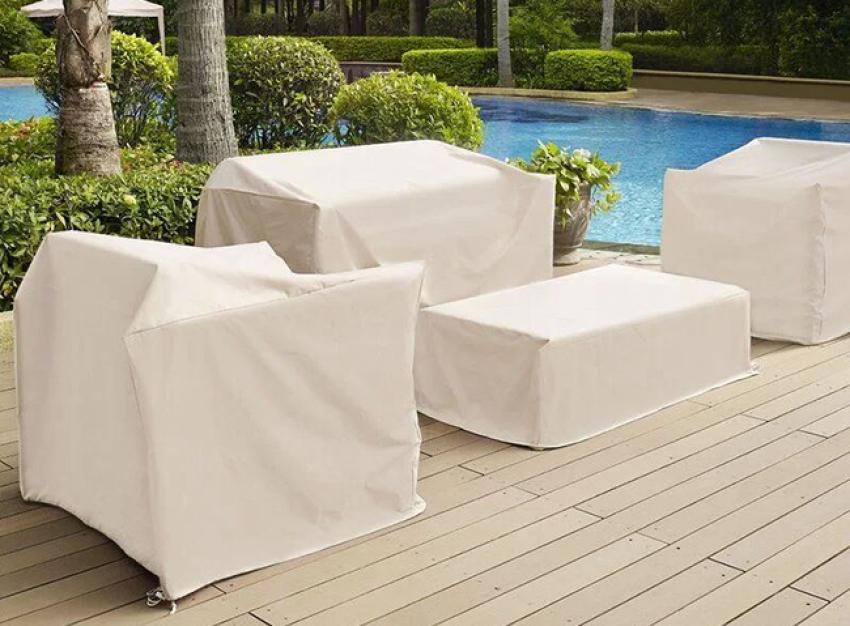
That’s where outdoor bench covers come in.
If you’ve ever uncovered a bench only to find mildew, faded wood, or rusted metal, you already know the pain. A good cover doesn’t just “hide” your furniture. It protects your investment. And if you choose wisely, it’ll do that all year long, rain, snow, blazing heat, and everything in between.
Let’s talk about how to choose the right one.
Why Year-Round Protection Actually Matters
It’s easy to think, “I’ll just cover the bench during winter.” But weather damage doesn’t follow a calendar.
- Summer sun fades paint and dries out wood.
- Spring showers soak cushions and create mold.
- Autumn leaves trap moisture.
- Winter snow freezes and expands into cracks.
Over time, those small exposures add up. Wood warps. Metal corrodes. Fabric weakens. I’ve seen benches that looked solid in April fall apart by September. Not because they were cheap, but because they were constantly exposed.
A quality bench cover waterproof enough to handle heavy rain, yet breathable enough to prevent condensation, can dramatically extend the life of your furniture.
And that’s the key: year-round use requires balance.
What Makes a Great Outdoor Bench Cover?
Not all covers are created equal. Some look sturdy but trap moisture. Others are waterproof but crack after one hot season. So what should you actually look for?
1. True Waterproofing (Not Just Water-Resistant)
Let’s clear this up. Water-resistant fabric can repel light moisture. Waterproof fabric blocks water completely. If you live in an area with serious rainfall or snow, you need the latter. A reliable bench cover waterproof enough for storms usually features:
- PVC-backed polyester or vinyl coating
- Taped or sealed seams
- Tight stitching that doesn’t allow seepage
- A water-repellent finish on the exterior
Flip the cover inside out before buying. If the seams look exposed or thin, rain will eventually find its way in. And trust me, it always does.
2. Breathability (Yes, Even for Waterproof Covers)
Here’s the twist: fully sealed covers without ventilation can create condensation underneath. That trapped moisture? It leads to mildew. The best outdoor bench covers combine waterproof material with air vents. There are small meshed vents that are strategically positioned to allow airflow in and rain in.
If you’ve ever lifted a cover and felt damp air rush out, you know what I mean. Proper ventilation makes a huge difference.
3. UV Resistance for All-Season Use
Sun damage sneaks up on you. Even on cool days, UV rays can weaken fabric and fade colors. A year-round cover needs UV stabilization built into the material. Otherwise, it may crack, become brittle, or lose its protective coating after one hot season.
Look for covers labeled as UV-treated or fade-resistant. It’s not marketing fluff; it’s essential if your bench sits in direct sunlight.
Fit Is Everything (Loose Isn’t Better)
You might think a slightly oversized cover is fine. It’s not. When a cover is too big, wind gets underneath. It flaps. It shifts. It wears out faster. And worse, it can fly off during storms. On the other hand, a cover that’s too tight strains the seams.
Measure your bench carefully:
- Width
- Depth
- Height (especially if it has a high back or armrests)
Add an inch or two for ease, but don’t guess. Many outdoor bench covers now include adjustable straps, drawstrings, or buckle systems. These keep the cover snug even in heavy winds. If you live in a windy area, this feature isn’t optional.
Materials That Handle All Four Seasons
Let’s talk fabric.
Polyester with PVC Backing
This is one of the most common and reliable options. It is waterproof, tough, and quite lightweight. A good PVC-backed polyester cover can withstand heavy rain and snow.
Heavy-Duty Vinyl
Vinyl is extremely waterproof. It works well in wet climates but may become stiff in freezing temperatures. If you live somewhere with harsh winters, check whether the vinyl is cold-crack resistant.
Solution-Dyed Fabric
The fibers do not run the color, but the entire fabric, and this is why these fabrics do not fade easily. They’re often more breathable and long-lasting, but they can cost more. If you’re planning for true year-round use, invest in something built for extremes.
Cheap covers might survive one season. High-quality ones survive many.
Don’t Forget the Small Details
It’s funny how small features make a big difference.
- Elastic hems help keep water from sneaking in at the bottom.
- Reinforced corners prevent tearing.
- Padded handles make removal easier.
- Double-stitched seams add durability.
Even the color matters. Dark covers absorb more heat. Lighter colors reflect sunlight and may reduce heat buildup underneath. You don’t need every feature under the sun. But for year-round performance, thoughtful design matters.
Climate Should Guide Your Choice
Not all weather challenges are the same. When you are in a rainy and coastal location, you should consider waterproofing and rustproof hardware. When it comes to snowy areas, get a bench cover that is robust and able to sustain weight build-up by being waterproof.
In dry, sunny climates, UV protection becomes your top concern. Ask yourself: What’s the harshest condition my bench will face? Buy for that.
Maintenance: Yes, Covers Need Care Too
Here’s something people forget: covers protect your furniture, but they also need maintenance.
Every few months:
- Wipe them down with mild soap and water
- Remove debris like leaves and twigs
- Let them dry fully before securing
- Check for small tears or seam issues
- Even the best outdoor bench covers won’t last forever if neglected.
I once left a cover under a pile of wet leaves for weeks. When I finally removed it, the fabric had weakened where moisture pooled. Lesson learned. Take five minutes now and then. It’s worth it.
Storage During Off-Seasons
If you plan to remove the cover during certain months, store it properly. Don’t just crumple it into a damp garage corner. Clean it. Let it dry completely. The loosely folded piece should be kept in a breathable bag.
When stored properly, the potential growth of mold is avoided, and the coated waterproof appearance remains uncompromised.
Is a Custom Cover Worth It?
Sometimes, yes. In case your bench is shaped specially, has in-built planters or ornamental curves, then a tailor-made cover corresponds to greater protection. Loopholes permit water and rubbish indoors, which serves no purpose.
Custom products are more expensive to install, but in most cases, they are more durable as they fit properly. Think of it this way: you wouldn’t wear shoes three sizes too big and expect comfort. Furniture feels the same way about its cover.
Budget vs. Longevity
We all look at price tags. But here’s the thing: replacing a bench costs far more than investing in a durable cover. Cheaper options may lack reinforced seams or UV protection. They might look similar at first glance, but they won’t perform the same after six months of real weather exposure.
In the case you want to have durability throughout the year, then quality materials and sound construction should be considered rather than the lowest price. Not a seasonal buy, but a long-term acquisition.
Conclusion
When making the final decision on the appropriate outdoor bench covers, it all depends on long-term thinking at the end of the day. Your bench is out in the blazing sun, the pouring rain, the heavy snow, all that. It even deserves its own protection that labors in as demanding a way as it does.
When you invest in a high-quality bench cover waterproof enough to handle real weather conditions, you’re not just buying a piece of fabric; you’re buying peace of mind.
You won’t have to worry every time the forecast changes. You won’t cringe when you uncover your bench in spring. Instead, you’ll find it clean, dry, and ready to use. That’s the goal. A well-chosen cover quietly does its job season after season, protecting your outdoor space so you can simply enjoy it.