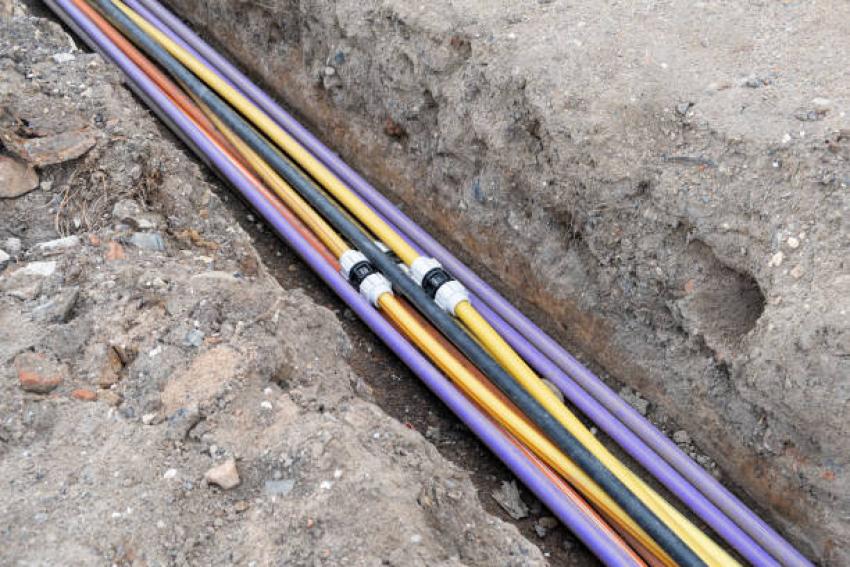
Underground cables feel “out of sight, out of mind.” But when one fails, everything stops. The lights go out. Pumps quit. Jobs pause. And because the cable is buried, finding the problem can take time and money. If you own a property, manage a site, or maintain equipment, it helps to know why failures happen in the first place. A solid underground electrical installation in Valencia CA, starts with the correct depth, smooth bends, and clean backfill. The good news is simple: most failures come from a handful of repeat causes. Even better, you can lower the risk with basic checks and smart habits. Let’s walk through the most common culprits in plain language.
Underground Electrical Installation in Valencia CA: Mistakes That Start Problems
Many failures begin on day one. That sounds harsh; however, it’s true. Minor installation issues can go unnoticed for years, then suddenly cause a fault.
Common install missteps include:
- Shallow burial depth. The cable sits too close to the surface work; therefore, one dig can hit it.
- Tight bends. A cable needs a gentle curve. A sharp bend stresses the inside layers.
- Poor backfill. Rocks or debris press into the jacket, also creating weak points.
- No warning tape or markers. Future crews guess the route, but even so, their guesses go wrong.
Simple Install Checks That Save Headaches
Ask for photos before the trench is closed. Also, ask for depth notes and a route sketch. These basics make future locating and repairs much faster.
Water And Moisture Sneaking Into The Cable
Water is one of the biggest enemies underground. It can enter through tiny cracks, damaged jackets, or poorly sealed ends. Meanwhile, the soil stays damp for long periods, so the cable never really dries out. When moisture gets inside, it can break down insulation. Insulation is the protective layer that keeps electricity from flowing through the metal core. Because insulation weakens slowly, the cable might work fine—until it doesn’t.
Where moisture problems often start:
- Rotten seals at splices and terminations (a termination is where the cable connects to equipment).
- Nicks in the outer jacket from pulling the cable through a rough conduit.
- Flooded handholes or junction boxes that sit below grade.
In Underground Electrical Installation work, good sealing and drainage matter as much as the cable itself.
Accidental Damage From Digging And Heavy Loads
Most underground cables don’t fail on their own. They get hit. A backhoe tooth, a trenching blade, or even a fence post auger can cut or crush a line. Mark routes clearly because digging near an underground electrical installation in Valencia CA, is where most accidents happen. Also, heavy vehicles can damage cables if they’re too shallow or poorly protected. However, not all damage looks dramatic. A “near miss” can still be a problem. A tool may scrape the jacket without cutting through. That scrape can let moisture in later; therefore, the fault shows up weeks or months after the dig.
Quick Steps You Can Do Right Now
If you manage a site, run this mini-check today:
- Confirm utility location rules are followed before any digging.
- Mark cable routes clearly on site maps and near access points.
- Look for new surface changes (fresh grading, new bollards, recent trench lines).
- Protect crossings with sleeves, conduit, or steel plates where needed.
These simple habits reduce surprise outages fast.
Heat Buildup From Overload And Bad Connections
Cables heat up when they carry power. That’s normal. The trouble starts when they take too much power for too long, or when a connection has extra resistance. Resistance is “electrical drag.” It converts energy into heat rather than practical work. Because heat damages insulation, repeated overheating can prematurely age a cable. Even so, overload isn’t always obvious. A site adds more equipment over time. Loads grow. The cable stays the same.
Common heat-related triggers:
- Overloaded circuits (added pumps, chargers, or HVAC units).
- Loose lugs or terminals that create hot spots.
- Bad splices that weren’t crimped or torqued correctly.
- Cables are too tightly grouped, so heat can’t escape.
If you notice breakers tripping more often, or equipment acting “weak,” heat stress may be building behind the scenes.
Soil Conditions, Corrosion, And Chemical Attack
Soil isn’t just dirt. It can be wet, salty, acidic, or full of chemicals from nearby runoff. Because buried cables are in that environment for years, the wrong conditions can slowly erode protective layers. Corrosion is the slow breakdown of metal. Overloads generate heat; therefore, check circuit load sizes in your underground electrical installation in Valencia CA, before adding equipment. It can affect cable shields, bonding points, and hardware in handholes. Also, certain soils can damage jackets over time, especially if the backfill contains construction debris or sharp stones.
Here are a few soil-related risk factors:
- High-moisture areas, such as low spots and poor-drainage zones.
- Salt exposure near coasts or where de-icing salts collect.
- Chemical spills or industrial runoff that contact the trench area.
In Underground Electrical Installation planning, a bare-soil and drainage review can help prevent long-term surprises.
Ageing, Weak Splices, And Manufacturing Defects
Nothing lasts forever—cables age. Heat cycles, moisture, and everyday electrical stress slowly wear down insulation. However, many “old cable” failures are really splice failures. A splice is the connection between two cable sections. It’s also a common weak point because it relies on perfect prep, clean surfaces, correct parts, and careful sealing. One rushed splice can fail long before the rest of the cable.
Failure-prone areas to watch:
- Splices in wet locations (handholes that hold water).
- Terminations are exposed to vibration from pumps, motors, or traffic.
- Cables with repeated repairs in the same stretch.
If you’re troubleshooting repeat faults, don’t assume the whole run is bad. Instead, start with splices and terminations. Soil can be harsh, so protect your underground electrical installation in Valencia CA, from rocks, salts, and chemical runoff.
Mini Table: Fast Clues By Failure Type
Failure Type Common Early Sign What Usually causes it One Smart Prevention
Dig-In / Crush Sudden outage after site work Tool strike or heavy load Mark routes + protect crossings
Moisture Ingress Works, then trips in wet weather Bad seal or jacket nick Seal ends + improve drainage
Overheating Hot smells, nuisance trips Overload or loose connection Load check + torque test
Conclusion
Underground cable failures usually come from a short list: install issues, water, digging damage, heat, harsh soil, and weak splices. The win is that you can act on all of these. Start with clear route marking, basic drainage checks, and a quick look at loads and connections. Small steps now can prevent a messy outage later. If you ever need a steady hand during a fault hunt or repair window, Lariat Electric can be a helpful partner for keeping crews powered and operations moving while the underground issue gets sorted.