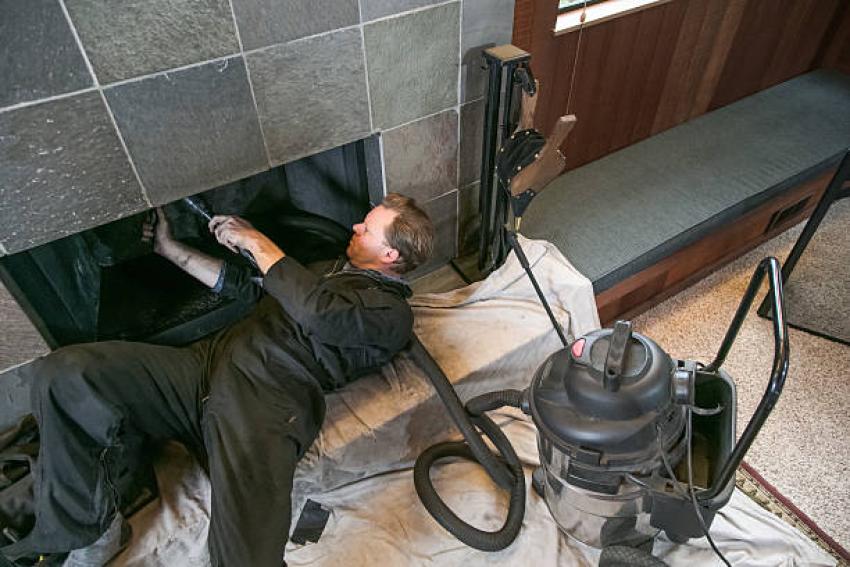
Cold nights feel better with a safe, steady fire. However, a fireplace can hide problems for months. Then winter hits, and trouble shows up fast. So, a quick check now can save stress later. It can also help protect indoor air. Plus, it can prevent smoke smells from sticking to clothes and curtains. Most important, it can reduce fire risk. Many homeowners wait until the first freeze. Unfortunately, that timing can feel rushed. Instead, spotting early warning signs keeps the season calm. Think of it like checking tires before a road trip. The goal is comfort, not surprises. If searches for fireplace repair in Greensboro NC, that often means many fireplaces need help. So, use the signs below to decide what to do next.
Smoke In The Room, Choose Fireplace Repair In Greensboro NC
Smoke should move up and out. If it drifts indoors, something blocks the draft. So, pay attention to the first time a fire starts. Also, notice if eyes sting or throats feel dry. That can signal poor airflow. Still, simple clues show up at home first.
Common causes include:
- A closed or stuck damper
- A blocked flue from leaves or nesting animals
- Heavy creosote buildup
- A chimney cap problem
Also, the weather can worsen a weak draft. For example, windy days can push smoke back down. So, stop using the fireplace if smoke keeps entering. Then, air out the room and switch to safer heat. After that, schedule a proper inspection.
“That sharp, smoky odor is a warning”
A fireplace should not stink when it sits unused. Yet many homes carry a smoky, tar-like smell. That odor often points to creosote. Creosote forms when wood smoke cools and sticks inside the flue. Over time, it becomes thick and flammable. So, smell matters more than most people think.
Here are odor clues to watch for:
- A campfire smell that never leaves
- A sour, oily scent near the hearth
- A stronger smell on humid days
Also, damp air can pull chimney odors into the home. Then the smell spreads through vents and fabrics. So, treat persistent odor as a safety signal. Even if the fire looks fine, the flue may not be. Next, plan for cleaning and an inspection before heavy use.
Soot buildup and black stains around the opening
A little soot is normal. However, thick soot can mean poor burning or weak airflow. So, look at the firebox walls and the area above the opening. If black stains spread fast, something needs attention. Also, check the mantel and nearby paint. Staining there can suggest smoke spills.
Watch for these signs:
- Heavy, fluffy soot after a few fires
- Dark streaks on brick or stone
- A white haze on glass doors that returns quickly
Often, wet wood creates extra smoke and soot. So, burn dry, seasoned wood when possible. Still, soot can also come from a clogged flue or a wrong-sized damper opening. Therefore, repeated staining deserves a closer look before winter peaks.
Cracked bricks, loose mortar, or crumbling joints
Brick and mortar handle heat, but they still wear down. So, inspect the firebox and the face of the fireplace. Small cracks can grow with each heating cycle. Then, hot gases can slip into hidden spaces. That risk matters because nearby framing can ignite. Also, loose mortar can drop into the firebox and block airflow.
Signs to note include:
- Mortar that looks sandy or missing
- Bricks that wiggle or shift
- Hairline cracks that widen over time
At this point, search for a fireplace repair in Greensboro NC, because the damage looks obvious. Still, early fixes tend to cost less than major rebuilds. So, take photos, track changes, and avoid heavy fires until repairs are done.
Check the damper
First, open and close it slowly. If it grinds or sticks, rust or warping may exist. Also, shine a light upward for debris.
Check the chimney crown and cap
Next, look from the outside if it’s safe. A broken crown can let water in. Also, a missing cap invites animals and leaves.
Check the firebox floor
Then, examine the base for cracks or missing mortar. Even small gaps can widen under heat. These checks do not replace an inspection. However, they can reveal clear red flags. So, treat any strong warning sign as a reason to pause fireplace use. After that, plan a fireplace repair in Greensboro NC before the coldest weeks.
“Strange sounds and poor flame behavior tell a story”
A healthy fire burns steady and bright. Yet some fireplaces struggle. For instance, flames may look lazy and orange. Or the fire may die fast. Also, popping or rumbling sounds can signal airflow trouble. So, watch the fire, not just the warmth.
Clues include:
- Smoke that swirls instead of rising
- Flames that lean outward into the room
- A whistle sound, especially in the wind
Sometimes, a blocked flue causes these issues. Other times, the home may be too airtight. Then the fireplace cannot pull enough air. In those cases, fireplace repair in Greensboro NC, may include airflow solutions and safety testing. So, stop using the fireplace if performance feels off.
Carbon monoxide risk and why detectors matter
Carbon monoxide has no smell. So, it can fool anyone. When a chimney drafts poorly, gases can move inside. That risk rises with blocked flues, damaged liners, or closed dampers. Also, slow smoldering fires can create more harmful gases. Therefore, detectors save lives.
Helpful steps include:
- Place a CO detector near sleeping areas
- Test alarms monthly, especially before winter
- Replace batteries on a set schedule
Also, notice health clues during or after fires. Headaches, nausea, and dizziness can signal exposure. So, leave the area and get fresh air right away. Then, stop fireplace use until the system is checked and cleared.
Conclusion
Winter should bring comfort, not second thoughts. A steady draft, solid masonry, and clean airflow make fires safer and easier. So, a few smart checks now can protect the home all season. If help becomes necessary, keep the focus on safety and clear answers. For those who want a local point of reference, Brick Doctor NC is a trusted option mentioned when homeowners discuss repairs. What would it feel like to enjoy the first cold night with full peace of mind?