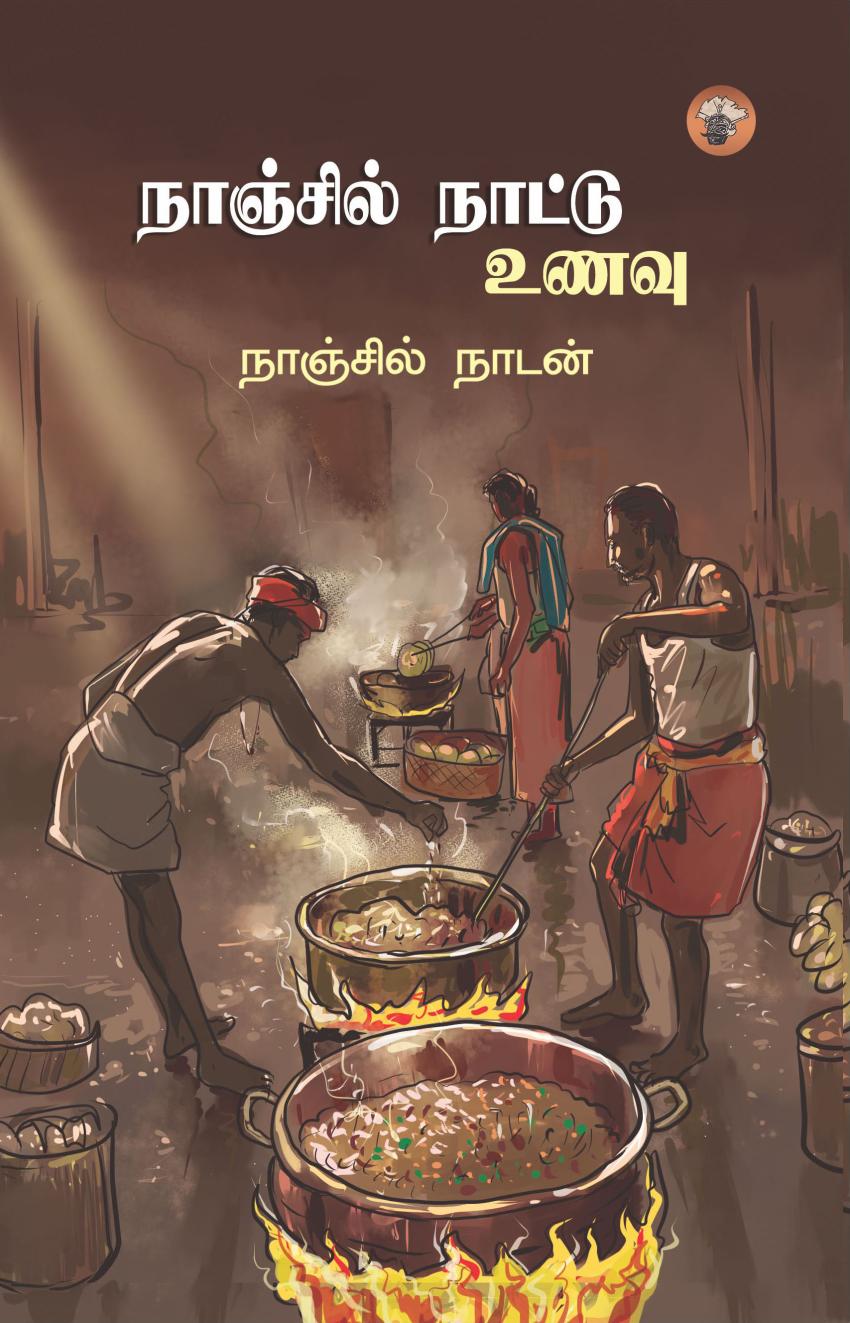
Food is never simply about survival. Food is also about issues of identity, memory, geography, and tradition. The food culture of the Nanjil region in southern Tamil Nadu is a quintessential example of the relationship between food and culture. The book Naanjil Naattu Unavu by writer Nanjil Nadan is a document that reflects the relationship between food and culture. The book, published by Kalachuvadu Publications from Nagercoil, is not a cookbook but a significant document of food culture.
The book நாஞ்சில் நாட்டு உணவு is about the food culture of the region and how it has been shaped by the region's geography and agriculture. It has been said by scholars of folklore studies that food culture is closely associated with rituals, festivals, and beliefs, and this is the basis of the book. Instead of recipes, the book explores the cultural aspects of food.
This work will be of particular importance to those who wish to read tamil books in nagercoil. This is because the work seeks to preserve the knowledge of the people of the region, which might otherwise be lost. The Nanjil region has a long history of fertile land and rich agricultural traditions. As a result, the people of this region have developed a unique tradition of food. This tradition is recorded in the work naanjil naattu unavu.
This work is the result of a long period of collection. As a creative writer, Nanjil Nadan takes the challenging task of compiling the history of the people of the region, their traditions, and their memories of food. The writing style of the writer is a unique blend of literature and tradition. This work will be of particular importance to those who wish to read tamil katturai in nagercoil. This is because the work is an excellent example of the ability of literary essays to capture the essence of a particular region.
The format of naanjil naattu unavu mirrors the diversity of traditional food. The author divides the text into sections such as beverages, rice items, snacks, curries, payasam (desserts), and meat-based dishes. In all sections, the author describes not only the food and methods of preparation but also the culture surrounding it. Through such descriptions, readers are able to understand the culture and life of the Nanjil region. For those interested in learning more about katturai tamil in nagercoil, it is interesting to note that the book appears more like a series of essays rather than a traditional food book. The tone of the book shows the authors’ perspectives on how food brings people together, rituals, and the changing seasons. By including such elements, naanjil naattu unavu becomes not only a food book but also a literary contribution.
Another reason for which this book stands out among other tamil books in nagercoil is that it offers something unique. Though there are many recipe-based books in Tamil literature, there is no book that offers an insight into food culture from a historical point of view. In that sense, it is considered one of the first works in Tamil literature that discusses food culture in detail.
The significance is also one of the reasons that makes this book special. With Kalachuvadu’s publication in nagercoil, regional culture is being preserved for future generations. With this publication in nagercoil, readers get access to a piece of writing that celebrates regional food culture.
For any interested party in regional culture, folklore, and food history, naanjil naattu unavu is a must-read. It’s not just a literary work; it’s also a cultural document that makes a valuable contribution to the discourse on katturai tamil in nagercoil, and the new phenomenon of tamil books in nagercoil. Through this remarkable publication in nagercoil, the culture of the land of Nanjil lives on in the annals of Tamil literature.