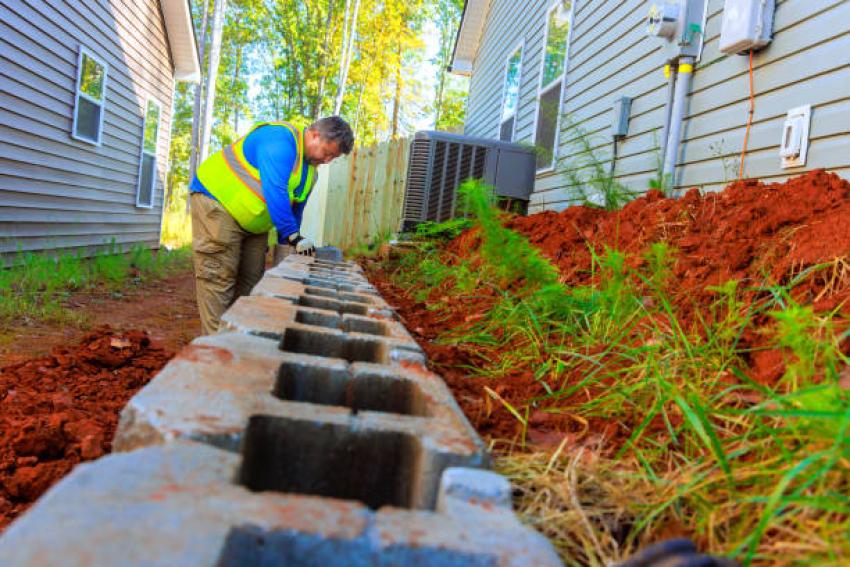
Retaining walls work hard. They hold back soil, shape yards, and protect homes. But they last only when built with the right materials. In a place with freeze-thaw cycles and sudden storms, durability matters even more. It also shows how to pick the right fit for local soil and weather. Retaining wall construction in Englewood CO, can save you time and money in the long run. Along the way, it explains cost, care, and service life. Most of all, it focuses on the “what’s in it for me” factor. Strong materials mean fewer repairs, safer yards, and better curb appeal.
Climate Fit: Materials For Retaining Wall Construction In Englewood CO
Climate should guide material choice. The Front Range sees freeze-thaw swings, summer heat, and intense downpours. Therefore, materials must handle expansion, contraction, and sudden water loads. Concrete block, poured concrete, and SRW units excel here. They pair well with gravel backfill and perforated drains. Natural stone also performs well when set with tight joints and stable bases.
Frost depth matters. Footings should extend below the frost line to limit heave. Additionally, good weep paths let water escape fast after storms. That way, the system keeps working year after year.
Homeowners benefit from fewer cracks, less tilting, and lower maintenance. When materials match the climate, the wall lasts longer, costs less over time, and stays safe.
Concrete Block (CMU): Tough, Versatile, and Budget-Friendly
Concrete masonry units, or CMU, offer strength with a clean look. They stack fast and handle heavy loads well. With proper footing and rebar, they resist shifting over time. Also, their uniform size speeds up installation. Moreover, choosing a retaining wall construction in Englewood CO, saves labor and lowers mistakes. Because blocks are modular, repairs stay simple too.
Without those, water pressure can push and crack blocks. However, with gravel backfill and a drain pipe, the walls stay stable. Mortar or dry-stack systems both work, depending on height and design.
Why it benefits a homeowner:
- Less time to build means fewer site delays.
- Standard sizes make future fixes easier.
- Durable faces can take paint, stucco, or veneers.
Finally, CMU fits many budgets yet still delivers a long service life. When reinforced and drained, block walls handle demanding yards with confidence.
“Poured Concrete: Strength You Can Shape”
Poured concrete creates a single, solid wall with few weak points. Forms set the shape, then the mix goes in and cures to high strength. Because it is monolithic, it resists soil pressure and stays tight. Rebar boosts tensile strength and reduces cracking. Expansion joints help control movement as seasons change.
Moreover, poured walls can curve or step to match grades. Finishes range from smooth to textured form liners. A waterproof coating and proper drainage protect the wall from moisture. Good prep still matters most. A compacted base and clean forms support a strong pour.
“Durability starts with the pour: quality mix, proper rebar, and disciplined curing.”
For homeowners, poured concrete means fewer joints, excellent load capacity, and a sleek look. With sound design, these walls offer long, low-maintenance service.
Natural Stone: Lasting Beauty with Serious Muscle
Natural stone brings timeless character and real strength. Granite, limestone, and basalt are popular choices. Each stone offers a unique color and texture. Because stone is heavy and dense, it resists weather and impact. It also ages gracefully and blends with landscapes.
Still, stone needs skillful stacking and careful drainage. Without that, walls may shift. Also, sourcing consistent sizes can take time. By considering a retaining wall construction in Englewood CO, stone walls last for generations. They shine in visible areas where style counts.
Why it benefits a homeowner:
- High curb appeal can lift property value.
- Extreme durability limits major repairs.
- Works with rustic or modern designs.
Finally, stone fits sites with garden paths, patios, and water features. It reads as premium and permanent, yet it performs under pressure.
Segmental Retaining Wall (SRW) Units: Engineered for DIY and Pros
Segmental units lock together without mortar. Their interlocking lips or pins create a stable mass. Because they “flex” a bit, they handle small ground movement well. Many include open cores for gravel, which helps drainage. Taller walls use geogrid layers to reinforce the soil.
Why it benefits a homeowner: the system scales. Small garden walls can be a weekend build. Larger walls can go up fast with experienced crews. Colors and textures offer a design range, from split-face to smooth modern tones.
How the Lock Works
Lugs, lips, or pins align blocks so courses bond mechanically. This reduces slippage and speeds installation.
Built-In Drainage Help
Open cores and gravel backfill lower water pressure. With a perforated pipe, water exits instead of pushing on the wall.
With good base prep and geogrid where needed, SRW systems deliver durable, attractive results.
Gabion Baskets: Rock-Filled Strength with Natural Drainage
Gabions are wire baskets filled with stone. They act like heavy, porous blocks. Because water flows through, pressure stays low. That reduces cracking risk and freeze-thaw damage. Galvanized or PVC-coated wire resists rust and extends life. The face can curve, step, or terrace as needed.
Installation is straightforward. Baskets assemble on site, then crews place and tie them. Local rock often fills the cages, which can cut hauling costs. Gabions also soften noise near roads and creeks. They blend well in natural areas and along slopes.
Why it benefits a homeowner:
- Flexible structure tolerates small ground movement.
- Permeable core relieves hydrostatic pressure.
- Modular layout adapts to tricky terrain.
Because gabions combine toughness and drainage, they deliver reliable, low-maintenance walls with a rugged, earthy look.
Treated Timber: When Wood Makes Sense
Treated timber can suit low walls when budgets are tight. Properly rated lumber resists decay and insects. Deadmen anchors or helical ties keep walls from tipping. Drainage is still vital. Gravel and pipes move water away from the wood. Timber looks warm and natural, which many landscapes welcome.
However, timber needs more care over time than masonry. Fasteners and ties may need checks and upgrades. In wetter spots, service life declines faster. Still, for garden borders and short terraces, timber can be a smart, friendly option.
Steel, Rebar, and Concrete Add-Ons: Hidden Heroes of Durability
Behind the scenes, steel makes walls tougher. Rebar inside concrete resists tension and cracking. Galvanized or epoxy-coated bars fight corrosion. Tie-backs, soil nails, and helical anchors add pull-out resistance where loads climb. In coastal or splash zones, stainless hardware may be worth the cost.
Footings matter too. A wide, frost-protected base spreads loads and reduces settlement. Keyed footings help lock the wall into native soil. Furthermore, protective sealers limit surface moisture and staining. Simple checks each spring keep problems small.
How homeowners took benefits from retaining wall construction in Englewood CO:
- Strong cores reduce big repairs later.
- Corrosion-resistant parts extend service life.
- Smarter anchors fit tight sites and tall cuts.
These hidden choices protect the investment and support curb appeal for years.
Conclusion
Moving forward with a durable plan makes space safer, neater, and easier to enjoy. Choose materials that match the climate, soil, and height. Then, pair them with drainage, reinforcement, and sound base prep. For added clarity, local codes and soil reports guide height limits and tie-back needs. Finally, smart planning and clear specs turn a slope into a useful, beautiful space— contact Gino’s Concrete Inc understands from years of field-tested practice.