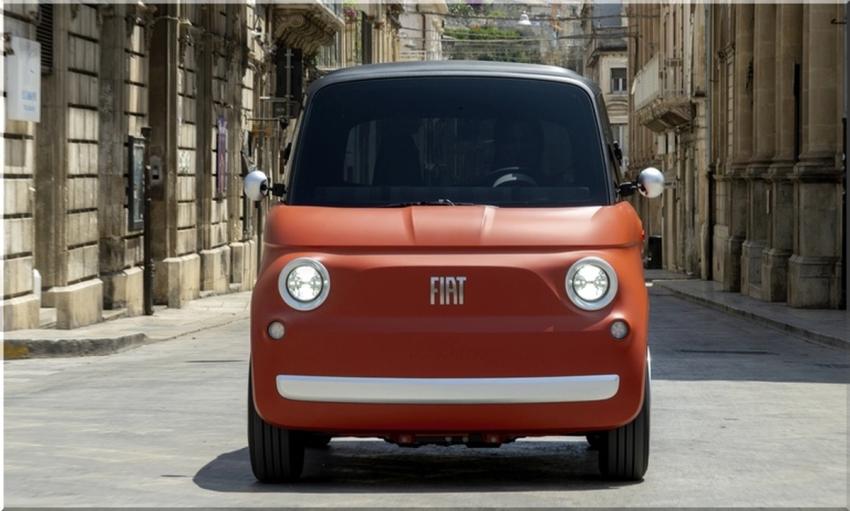
Fiat maintains a 20 percent market share in the European quadricycle sector by focusing on high-density urban utility. The introduction of the Fiat Topolino Corallo iteration marks a strategic expansion of this product line. Specifically, the manufacturer adds a new color option and a significant upgrade to the digital interface. This update targets the growing demand for efficient, low-footprint electric micro-mobility solutions in European city centers.
From an expert perspective, the vehicle operates within the L6e category of light quadricycles. This classification limits the top speed to 28 miles per hour (45 kilometers per hour). Consequently, the engineering team prioritizes maneuverability and ease of parking over raw acceleration or high-speed stability. The chassis measures exactly 99.6 inches (2.53 meters) in length. This compact footprint allows the vehicle to occupy roughly half the space of a standard mid-size sedan.
Physical Architecture and Interior Layout
The electric quadricycle utilizes a staggered seating configuration to optimize cabin volume. By shifting the passenger seat slightly rearward, the designers provide increased shoulder room within the narrow 55.1-inch (1.4-meter) width. Looking at the data, this layout permits two adults to sit comfortably without expanding the external dimensions of the vehicle. In addition, the interior features wide glass surfaces that increase visibility for the driver. This design choice assists with safety in dense traffic environments.
The vehicle weight remains below 1,070 pounds (485 kilograms) excluding the battery weight. This low mass contributes to the efficiency of the electric drivetrain. Specifically, the light frame reduces the energy required for frequent stop-and-go cycles in urban traffic. By comparison, standard electric hatchbacks weigh three to four times more, which leads to higher energy consumption per mile.
Powertrain Specs and Battery Chemistry
The Fiat Topolino relies on a 5.4 kWh lithium-ion battery pack. This energy storage system provides a maximum range of 46.6 miles (75 kilometers) under standard testing conditions. Specifically, the battery chemistry favors stability and longevity over high discharge rates. Looking at the data, the 46.6-mile range covers the average daily commute for over 80 percent of urban dwellers in European metropolitan areas.
Charging the vehicle requires a standard 220V European outlet or an equivalent domestic socket. A full charge from zero to 100 percent takes less than four hours. Consequently, owners can replenish the battery overnight or during a standard work shift without needing specialized high-speed charging infrastructure. The integrated charging cable resides within the door frame, which simplifies the interaction for the user.
Key Performance Metrics:
- Battery Capacity: 5.4 kWh
- Full Range: 46.6 miles
- Top Speed: 28 mph
- Charge Time (0-100%): Less than 4 hours
- Minimum Driver Age (Italy): 14 Years
- Vehicle Length: 99.6 inches
- Drive Type: Rear-Wheel Drive
Digital Cluster and User Interface Upgrades
The most significant technical update for the Corallo model involves the digital instrument cluster. Fiat increased the display size from the previous 3.5 inches to a new 5.7-inch unit. In addition, the total panel area now spans 8.3 inches. This larger screen surface improves the readability of critical telemetric data such as speed, battery percentage, and remaining range.
The software engineers implemented simplified graphics to reduce driver distraction. Specifically, the interface uses a high-contrast visual language that remains visible under direct sunlight. From an expert perspective, the increased font size and clearer icons accommodate a wider demographic of users. This includes younger drivers and older commuters who require immediate access to vehicle status information.
The Corallo Aesthetic and Market Logic
Fiat chose the name Corallo to describe a bright, warm orange paint finish. This color joins the existing Verde Vita (Green) as the second official shade in the lineup. From an expert perspective, the use of high-saturation colors serves a functional purpose in urban environments. It increases the visual prominence of the small vehicle, which helps larger vehicles and pedestrians identify it more quickly.
Looking at the data, the addition of a second color doubles the configuration options for a previously single-spec vehicle. Fiat targets an "optimistic" brand identity to differentiate the Topolino from more utilitarian competitors. In addition, the brand offers specific accessories like a small rear rack or door ropes instead of traditional metal doors. These features reduce weight and emphasize the vehicle's role as a tool for short-distance transit.
Comparative Market Analysis
The Topolino competes directly with other Stellantis products and micro-mobility alternatives. Specifically, it shares its platform with the Citroen Ami and the Opel Rocks-e. However, Fiat positions the Topolino at a higher price point by including more standard interior comforts and specific styling elements. By comparison, the Citroen Ami focuses on a more industrial, symmetrical design to lower production costs.
Looking at the data, the Topolino starting price sits at approximately $10,535 (converted from 10,000 Euro). This price point reflects the premium materials and the upgraded digital display included in the Corallo update.
Market Comparison Data:
- Fiat Topolino Corallo: Features a 5.7-inch digital display, available in Corallo or Verde Vita, with a starting price of approximately $10,535. It utilizes a staggered seating layout and holds a 20% combined category market share.
- Citroen Ami: Utilizes a 3.5-inch digital display, available in Grey with Blue accents, with a starting price of approximately $8,400. It features a symmetrical seat layout and maintains a high market share.
- Opel Rocks-e: Includes a 3.5-inch digital display, available in Grey with Yellow accents, with a starting price of approximately $8,900. It uses a symmetrical seat layout and holds a moderate market share.
Urban Zoning
One of the primary advantages of this vehicle involves its legal status in Limited Traffic Zones (ZTL). Many European cities restrict traditional internal combustion engines from historic centers. Specifically, the Topolino qualifies for free access and often free parking in these zones due to its zero-emission status and small footprint. Consequently, the vehicle offers a high return on investment (ROI) for urban residents who would otherwise pay high congestion fees or parking rates.
From an expert perspective, the low running costs further support the economic case for the Fiat Topolino. The energy cost per mile is significantly lower than that of a gasoline-powered scooter or a full-size electric vehicle. In addition, insurance premiums for L6e quadricycles remain lower than standard automotive rates. This makes the vehicle an attractive option for university students and delivery businesses.
Engineering Logic of the L6e Category
The L6e classification imposes strict limits on motor power, typically capped at 6 kW (8 horsepower). Consequently, the engineers optimize the torque curve for low-speed acceleration. This ensures the vehicle can keep pace with city traffic from a standing start at a red light. Looking at the data, the 5.4 kWh battery provides enough current to maintain consistent torque even when the state of charge drops below 20 percent.
The suspension system uses a MacPherson strut arrangement at the front and a torsion beam at the rear. Specifically, the tuning focuses on absorbing the impacts of cobblestone streets and urban potholes. Because the wheelbase is short, the damping rates must be precise to prevent pitching motions. From an expert perspective, the 14-inch wheels provide a balance between ride comfort and steering response.
Pro-Tips for Maximizing Quadricycle Efficiency
- Optimize Charging Cycles: Charge the battery when it reaches 20 percent rather than waiting for a full depletion. This protocol preserves the long-term health of the lithium-ion cells.
- Pre-Condition the Cabin: If the vehicle is parked in direct sunlight, open the windows or use the sunblind before driving. This reduces the immediate heat load without relying on high-draw ventilation systems.
- Utilize Regenerative Braking: Lift off the accelerator early when approaching traffic lights. The motor acts as a generator to return small amounts of energy to the battery, which extends the daily range by up to 5 percent in heavy traffic.
- Check Tire Pressure Bi-Weekly: Because the vehicle is light, even a small drop in tire pressure increases rolling resistance significantly. Maintaining the factory-specified pressure verifies that the vehicle hits its 46.6-mile range target.
Final Summary of the Corallo Update
The 2026 Fiat Topolino Corallo provides a technical refinement of an already successful micro-mobility platform. Specifically, the upgrade from a 3.5-inch to a 5.7-inch cluster addresses the most common user request for better data visibility. The addition of the Corallo color palette provides more variety for a consumer base that values individual expression. Consequently, Fiat solidifies its position as a leader in the L6e sector.
By comparison to its siblings in the Stellantis group, the Topolino offers a more polished experience. The engineering logic remains focused on the specific needs of the 15-minute city. In addition, the accessibility for younger drivers creates a new market of long-term brand loyalists. The vehicle remains a functional tool for navigating the complexities of modern urban infrastructure while maintaining a low ecological footprint.