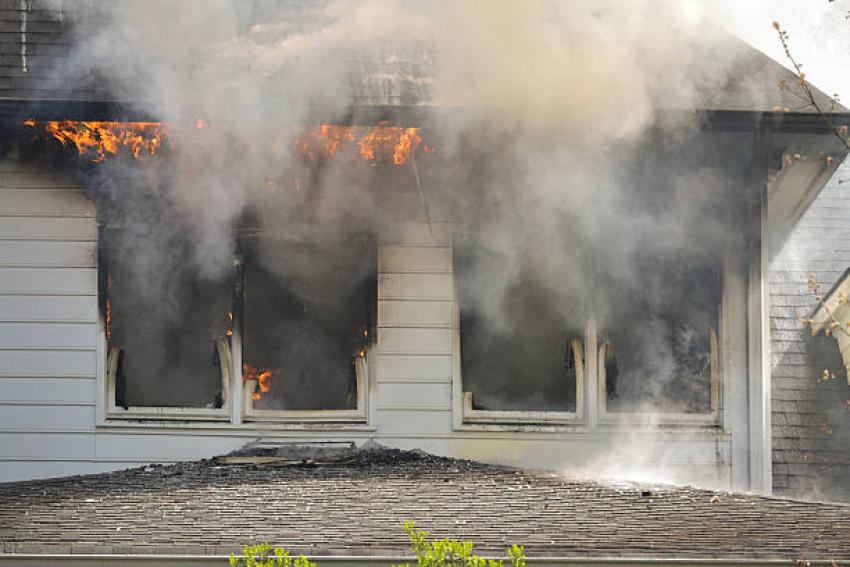
After a fire, the air can feel “off” for weeks. You might smell smoke in every room. You may also notice itchy eyes or a scratchy throat. That can feel scary, especially with kids or older family members at home.
Smoke does more than leave a smell. It leaves tiny bits of soot and ash. It can also leave gases from burned plastics, wood, and fabrics. These leftovers can float in the air. They can also hide in carpets, vents, and walls. So, even if you clean what you see, you may still breathe what you cannot see.
That is where smoke damage restoration in Kittery ME, helps. It targets the mess in the air and on surfaces. More importantly, it helps you feel safe at home again.
1) Smoke Makes Indoor Air Dirty So Fast: Smoke Damage Restoration in Kittery ME
Smoke spreads fast because it rides the air. First, it fills rooms like a fog. Then, it sticks to almost everything. That includes walls, furniture, and clothing. It also sneaks into ductwork and insulation.
Smoke carries very small particles. These particles can stay in the air for hours. Also, they can settle and then re-enter the air later. For example, walking on a sooty rug can kick particles up again.
A proper plan matters because random wiping can make it worse. So, trained crews use steps that trap particles instead of spreading them. Smoke damage restoration focuses on removing the source, not masking the smell.
2) How Soot And Ash Affect Breathing And Comfort
Soot looks like black dust, but it acts like a sponge. It can hold odors and harsh chemicals. Also, it can irritate the lungs and trigger coughing. People with asthma often feel it first.
Even small exposure can cause big discomfort. That includes headaches, burning eyes, and a runny nose. However, symptoms can differ by person. Kids breathe faster, so they may take in more particles.
“We cleaned for days, yet the smoke smell stayed.”
“Once the hidden soot came out, the house finally felt normal.”
Rather than masking odors, smoke damage restoration in Kittery ME eliminates the materials that allow smoke contamination to return.
3) Air Cleaning Steps That Make A Real Difference
Restoration teams use a layered approach. They do not rely on one tool. Instead, they combine removal, filtering, and safe cleaning.
Here are common steps that help improve indoor air quality:
- HEPA air filters that trap tiny particles
- Source removal, like vacuuming soot with special equipment
- Sealing off work areas to stop cross-spread
- Cleaning surfaces so particles stop lifting into the air
- Careful disposal of items that keep shedding soot
During the cleanup process, crews typically use air machines to reduce airborne particles as work continues. For smoke damage restoration in Kittery ME, following the right sequence helps deliver safer, longer-lasting results.
4) Removing Odors Means Removing What Feeds Them
Smoke odor feels stubborn for a reason. It does not sit only “in the air.” It sinks into porous items. That includes fabric, wood, and even drywall.
Surface cleaning comes first
Teams clean walls, ceilings, and hard surfaces. Then, fewer odor particles float back into the air.
Deep cleaning targets soft materials
Next, they treat carpets, rugs, and upholstery. Otherwise, these items keep releasing a smell when the humidity rises.
Hidden spaces need attention too
Finally, they check places like vents and wall cavities. Because if the odor stays there, it returns later.
Odor sprays may hide the smell temporarily, but they don’t remove what causes it. That’s why smoke damage restoration in Kittery ME, is designed to eliminate the problem at its source.
5) Vent and HVAC Cleanup Helps Stop Re-Circulation
Your HVAC system can spread smoke leftovers. It can pull particles into returns. Then, it can push them through every vent. So, even one dirty section can affect the whole home.
A smoke damage restoration in Kittery ME, often includes HVAC checks. It may also include cleaning vents and changing filters. In some cases, crews clean around registers and returns, too. That step matters because soot can sit there like powder.
Here are signs your vents may need attention:
- You smell smoke more when the heat or AC turns on
- You see black dust near the vent edges
- You notice more coughing in certain rooms
Because air moves in loops, this step protects your gains. Smoke damage restoration often includes stopping that loop.
6) How Can You Tell Indoor Air Is Improving
You do not need fancy gadgets to notice progress. Your body often tells you first. For example, you may wake up with less throat dryness. Also, the “smoke taste” may fade.
Still, simple checks can help you feel sure:
- Smell test: rooms stop having that burnt scent
- Dust check: surfaces stay cleaner for longer
- Comfort check: fewer headaches and less eye sting
“The biggest change was the air felt lighter.”
“We stopped worrying every time the kids played indoors.”
To ensure results last, teams often use particle measurements and moisture checks. With smoke damage restoration in Kittery ME, the goal is clean, breathable air—not a surface-level fix.
7) What To Do Right After Smoke Damage To Protect Your Air
Right after smoke exposure, small actions can help. However, safety comes first. If officials say the home is unsafe, stay out.
If you can enter safely, focus on reducing spread:
Quick action Why does it help your air
Open windows if the weather allows Pushes out stale, smoky air
Turn off HVAC until checked. Stops spreading soot through vents
Avoid sweeping dry soot. Keeps particles from going airborne
Use a high-quality filter if you must run air Traps more particles than basic filters
Also, avoid using strong perfumes or sprays. They mix with smoke odors and can irritate the lungs. Instead, plan for proper removal.
And when you are ready, a trusted team like Garvey Construction LLC can help you move from “we’re still breathing smoke” to “this feels like home again.” What would it feel like to take a full, easy breath in your own living room tonight?