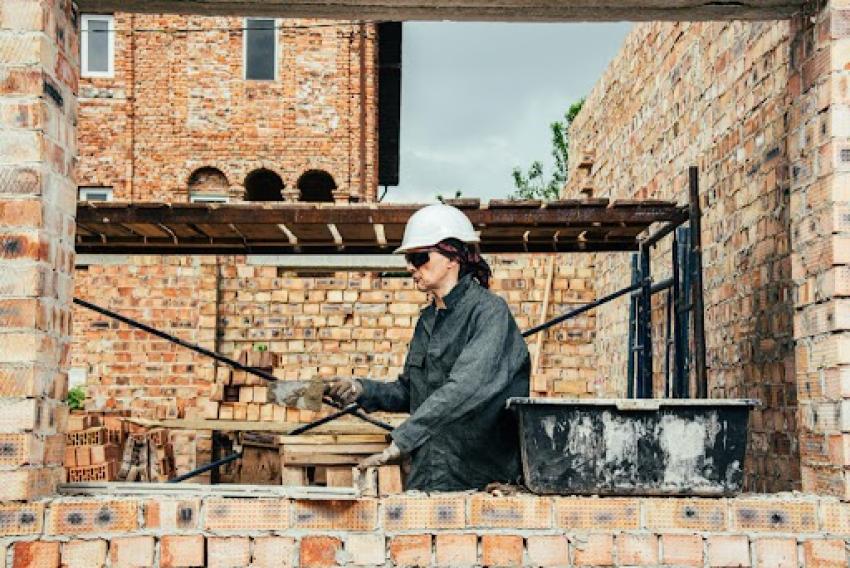
Hiring a masonry contractor in Boston is a serious decision. Brick, stone, and concrete are not cosmetic materials. They support weight. They protect your home. They must handle New England’s harsh weather. Yet many homeowners still take risks. They hire unlicensed masonry contractors to save money. At first, it may seem harmless. Over time, the damage becomes clear.
This guide explains the real differences between licensed and unlicensed masonry contractors. It also explains the risks, costs, and long-term impact of choosing the wrong professional.
Why Masonry Work in Boston Requires Special Expertise
Boston is not a typical construction market. The city has historic homes, aging brick buildings, and strict building codes. Many properties are over 50 or even 100 years old.
Masonry in Boston must withstand:
Freeze–thaw cycles
Heavy rain and snow
Coastal moisture
Older foundations and walls
A qualified masonry contractor understands these challenges. They know which mortar to use. They know how to protect brick from moisture. They know how to work within city regulations.
Unlicensed contractors usually do not.
What Does “Licensed Masonry Contractor” Mean in Massachusetts?
Licensing is not just paperwork. It is proof of training, experience, and accountability.
In Massachusetts, legitimate masonry contractors typically hold:
Home Improvement Contractor (HIC) registration
Proper liability insurance
Workers’ compensation coverage
Permit eligibility
For structural masonry work, many also work under a Construction Supervisor License.
A licensed contractor can legally pull permits. They can pass inspections. They are accountable if something goes wrong.
This is critical in Boston, where inspections are strict and enforcement is real.
Who Are Unlicensed Masonry Contractors?
Unlicensed masonry contractors often operate as:
General handymen
Side-job workers
Cash-only crews
Temporary labor teams
They may have basic skills. Some may even have experience. But they lack legal authorization and protection.
They cannot pull permits. They usually do not carry insurance. They often disappear after the job is done.
Hiring them shifts all risk to the homeowner.
Structural Risks of Hiring an Unlicensed Masonry Contractor
Masonry is structural by nature. Mistakes are not cosmetic. They are dangerous.
Common issues include:
Incorrect mortar mix
Weak brick bonding
Improper wall reinforcement
Poor chimney construction
These problems may not appear immediately. They often surface months or years later.
Cracked walls. Loose bricks. Water leaks. Chimney instability.
A professional Boston masonry contractor understands structural load paths and material compatibility. An unlicensed worker usually does not.
Legal and Financial Risks You Should Not Ignore
Boston requires permits for most masonry work. This includes:
Foundation repairs
Retaining walls
Chimney rebuilding
Structural brickwork
Unlicensed contractors cannot pull permits. If the city discovers unpermitted work, the homeowner is responsible.
Possible consequences include:
Fines
Stop-work orders
Forced demolition
Failed home inspections during resale
If the work fails, there is often no legal recourse. Unlicensed contractors are hard to track. Many do not operate under registered businesses.
Insurance and Liability Exposure
This is one of the biggest hidden risks.
If an unlicensed worker is injured on your property, you may be liable. Homeowner insurance often does not cover injuries involving uninsured workers.
If masonry work causes structural damage later, insurance claims may be denied. Insurers frequently reject claims tied to unlicensed or unpermitted work.
A licensed Boston masonry contractor carries insurance to protect both parties. That protection matters more than most homeowners realize.
Quality Differences in Materials and Techniques
Masonry quality depends on details. Small mistakes lead to big failures.
Licensed contractors typically:
Use the correct mortar for brick age and type
Match historic brick and stone
Install proper flashing and drainage
Seal masonry against moisture
Unlicensed contractors often use generic materials. They focus on speed, not longevity.
In Boston’s climate, poor material choices lead to:
Rapid mortar erosion
Brick spalling
Water penetration
Interior wall damage
These repairs cost far more than doing the job correctly the first time.
Real-World Example: Brick Repointing Gone Wrong
A common example is brick repointing.
Unlicensed workers often grind joints too deep. They use hard cement mortar. This traps moisture in older bricks.
Within a few winters, bricks begin to crack and flake. Entire walls may need rebuilding.
A qualified masonry contractor would use lime-based mortar and proper joint depth. That difference can determine whether a wall lasts 5 years or 50.
Cost Comparison: Cheap Now vs Expensive Later
Unlicensed contractors usually offer lower prices. This attracts homeowners on a tight budget.
But lower upfront cost often leads to:
Premature failure
Repeat repairs
Structural damage
Reduced property value
Licensed masonry work may cost more initially. However, it typically includes:
Warranties
Code compliance
Proper materials
Long-term durability
In most cases, licensed work is cheaper over the life of the structure.
When You Should Never Hire an Unlicensed Masonry Contractor
Some projects carry too much risk.
Never hire an unlicensed contractor for:
Foundation masonry
Chimney repair or rebuilding
Retaining walls
Structural brick walls
Historic masonry restoration
Waterproofing or sealing systems
These systems protect lives and property.
A professional Boston masonry contractor is essential for this work.
How to Verify a Licensed Masonry Contractor in Boston
Verification is simple. Homeowners just need to ask the right questions.
Checklist:
Ask for HIC registration number
Request proof of insurance
Confirm permit handling
Review past local projects
Check online reviews and ratings
Reputable contractors expect these questions. Unlicensed ones avoid them.
Taking 10 minutes to verify credentials can prevent years of problems.
Impact on Home Value and Resale
Unpermitted masonry work often surfaces during resale. Home inspectors look closely at brickwork, foundations, and chimneys.
Problems may result in:
Price reductions
Required repairs
Delayed closings
Lost buyers
Buyers trust work done by a licensed masonry contractor with documentation. That trust protects your investment.
Historic and Older Homes Face Higher Risk
Many Boston homes are historic or pre-war. Their masonry systems are fragile.
Older bricks are softer. They require compatible mortar. Modern techniques can destroy them.
Unlicensed contractors rarely understand historic masonry principles. Licensed specialists do.
For older homes, the wrong repair can cause irreversible damage.
Peace of Mind Is Part of the Value
Hiring licensed professionals reduces stress. You know the work meets code. You know it is insured. You know it is accountable.
A reliable masonry contractor communicates clearly and documents the process. That transparency matters.
Final Thoughts: Make the Safe Choice
Masonry work is not an area to gamble. The risks are too high. The consequences are too costly. Unlicensed contractors may promise savings. They rarely deliver lasting value. Licensed contractors protect your home, your finances, and your safety. They follow the law. They stand behind their work. When durability, compliance, and long-term performance matter, choosing a qualified Boston masonry contractor is the responsible decision.