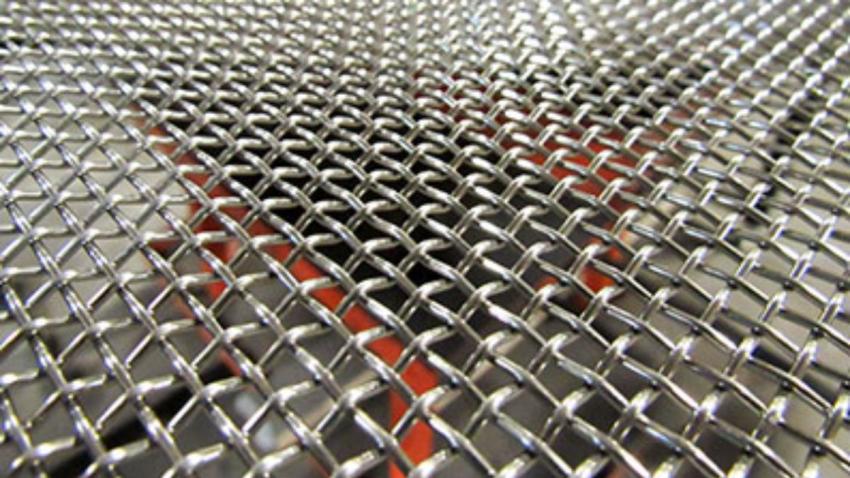
Wire mesh plays a quiet but vital role in daily structures. It supports buildings, protects land, and shapes safe spaces across many settings. Even homes, farms, and work sites all rely on it, knowing the right type matters. Wire mesh netting helps people create strength, order, and safety with a simple design. This blog explains three common mesh types in clear language. You will learn how each one works, where it fits best, and how the right choice improves durability and performance without confusion.
Understanding Wire Mesh Basics
Wire mesh uses metal wires that cross and lock. While these wires form a strong pattern. As a result, the mesh spreads force and holds shape.
How wire mesh works
Wire strands meet at set gaps; therefore, these gaps control strength and flow. Even with this design, the mesh can block, support, or filter. Also, users can cut or shape it to fit space needs.
Common uses across sectors
Even secures land and property.
Also supports concrete structures.
Even protects crops and animals.
Also filters air and water.
So, mesh adapts to many tasks. Yet, material choice shapes its success.
What Is BRC Mesh
BRC wire mesh uses welded steel bars that form square patterns. Each joint locks tight. Therefore, the mesh keeps a firm shape under load.
Structure and build quality
Steel rods cross at equal gaps, while welds hold each joint. For this bond, the mesh spreads weight with ease. Also, the rigid form stays stable during use.
Key features and uses
Even forms a rigid grid.
Also supports concrete slabs.
Even reinforces floors and walls.
Keep holds shape during pours.
Also its strength, builders use it in fixed builds. BRC wire mesh suits areas where movement causes cracks.
Why builders choose BRC mesh
Builders value speed and strength. This mesh lies flat and stays in place. So, workers save time during setup. Also, the steel frame resists bending under pressure.
Where BRC Mesh Works Best
Some projects demand solid support. In these cases, this mesh delivers.
Construction applications
Even residential floor slabs
Also driveways and pavements
Keep columns and beams.
Even though the mesh grips concrete, it boosts durability. As a result, structures last longer.
Limits to consider
The rigid form resists curves. So, it suits flat areas more than shaped surfaces. However, for straight builds, it performs with trust.
What is GI Mesh
GI wire mesh uses steel coated with zinc. This coating blocks rust. So, the mesh lasts longer outdoors.
Zinc coating and protection
Zinc forms a shield over steel. This shield slows rust spread. Because of this, the mesh stays strong in open air.
Key features and uses
Also resists rust and wear
Even fits outdoor fencing.
Also, guards, gardens, and farms
Even handles rain and sun.
People choose GI wire when the weather plays a role. Also, the zinc layer helps the mesh age with grace.
Outdoor Uses of GI Mesh
This GI wire mesh suits areas exposed to nature. It balances strength and flexibility.
Agricultural and fencing roles
Also farm boundaries
Even poultry enclosures
Also garden fencing
Even the mesh bends with ease, users shape it around posts. So, it fits uneven ground.
Benefits for long-term outdoor use
The zinc layer delays corrosion. As a result, users replace it less often. Also, it needs little care over time.
What Is Steel Mesh
Stainless steel mesh blends steel with chromium. This blend blocks rust and stains. Therefore, it suits clean and wet spaces.
Material strength and finish
Chromium reacts with air and forms a thin shield. This shield protects the metal core. So, the mesh keeps its shine and strength.
Key features and uses
Even fights rust and stains.
Also suits kitchens and labs.
Even supports filters and screens.
Keeps a smooth look
With its clean surface, this mesh meets hygiene needs.
Where Steel Mesh Excels
Some spaces demand purity and strength. This stainless steel mesh meets both needs.
Clean and technical settings
Even food processing areas
Also medical spaces
Keep water filtration systems.
Even though the mesh resists corrosion, it stays safe for contact use.
Visual and functional value
The smooth finish adds appeal. Also, the metal holds form without weight strain. So, designers use it where look and function meet.
Comparing the Three Mesh Types
Each mesh solves a different problem. So, a clear comparison helps the choice.
Strength comparison
Even BRC handles heavy loads
Also, GI balances strength and flexibility
Even stainless steel offers strength with corrosion resistance
While of these traits, no single mesh fits all needs.
Durability comparison
While BRC lasts within concrete
Even GI survives outdoor exposure.
Also, stainless steel endures moisture and chemicals.
So, the environment shapes the best pick.
How to Choose the Right Mesh
Choosing the right mesh depends on the purpose. Floors need strength. Fences need weather defence. Clean areas need purity. So, match the mesh to the task.
Quick selection tips
Even pick BRC for concrete support.
While picking GI for outdoor barriers.
Pick stainless steel for clean areas.
Each mesh plays a clear role, and a smart choice prevents waste.
Factors That Influence Mesh Selection
Choosing the right mesh starts with understanding the conditions of use. Every project places different demands on materials. So, factors like load, location, and exposure guide the decision. A clear view of these points helps avoid failure and extends service life.
Environmental conditions to consider
Even exposure to rain, heat, or moisture
Also, contact with soil or chemicals.
Even indoor or outdoor placement
Keep the level of air flow needed
Role of Mesh in Structural Safety
Mesh strengthens structures by spreading force across a wide area. This support reduces cracks and failure. Because safety depends on balance, correct placement matters.
How mesh improves stability
Even distributes weight evenly.
While limits surface movement.
Even supports concrete bonding.
Also reduces stress points.
Maintenance and Long-Term Care
Proper care helps mesh last longer and perform better. While some materials resist damage, basic checks still matter. Simple actions prevent early wear.
Easy maintenance practices
Even inspect for rust or damage.
Also, clear debris and buildup.
Even replace bent sections.
Also, secure loose fixings.
Mistakes to Avoid During Installation
Errors during setup reduce mesh performance. Many issues come from poor planning or rushed work. Avoiding these mistakes saves time and cost.
Installation errors to watch for
Incorrect spacing or alignment.
Weak fixing points.
Cutting without proper tools.
Ignoring load requirements.
Final Thoughts
Choosing the right mesh brings long-term value to any project. Each type serves a clear purpose, from strong concrete support to outdoor protection and clean environments. Wire mesh netting performs best when matched with the right use and setting.
When builders and homeowners understand these differences, they avoid waste and improve results. A clear goal, proper material, and smart planning lead to safer structures and longer service life. With the right knowledge, selecting mesh becomes simple and effective.
FAQ
Q1. How do I know which mesh type suits my project?
Ans. Begin by defining the goal of your project. Check weight needs, weather contact, and cleanliness demands. When you match these needs with material traits, you build strength, improve safety, and extend service life.
Q2. Can mesh be reused after removal from a structure?
Ans. Examine the material after removal. If it shows no bends, cracks, or rust, reuse may work. However, damaged sections weaken support and should not be used in new structures.
Q3. Does mesh size affect performance?
Ans. Yes, gap size shapes performance. Smaller gaps grip and guard better, while larger gaps allow air and movement. Choosing the right size sharpens results for the intended task.