Explore Long-Tail Keywords are and How They Help Drive Traffic
Search behavior has changed dramatically over the years. Users no longer type short, vague words into search engines. Instead, they ask specific questions, describe problems in detail, and look for precise solutions. This shift is where long-tail keywords become highly relevant. They reflect how real people search today and play a crucial role in building consistent, high quality organic traffic.
Understanding long-tail keywords is not just an SEO concept. It is about understanding user intent, expectations, and decision making. When used correctly, these keywords help websites attract visitors who are more engaged, more informed, and more likely to stay longer on the page.
Understanding Long-Tail Keywords in Simple Terms
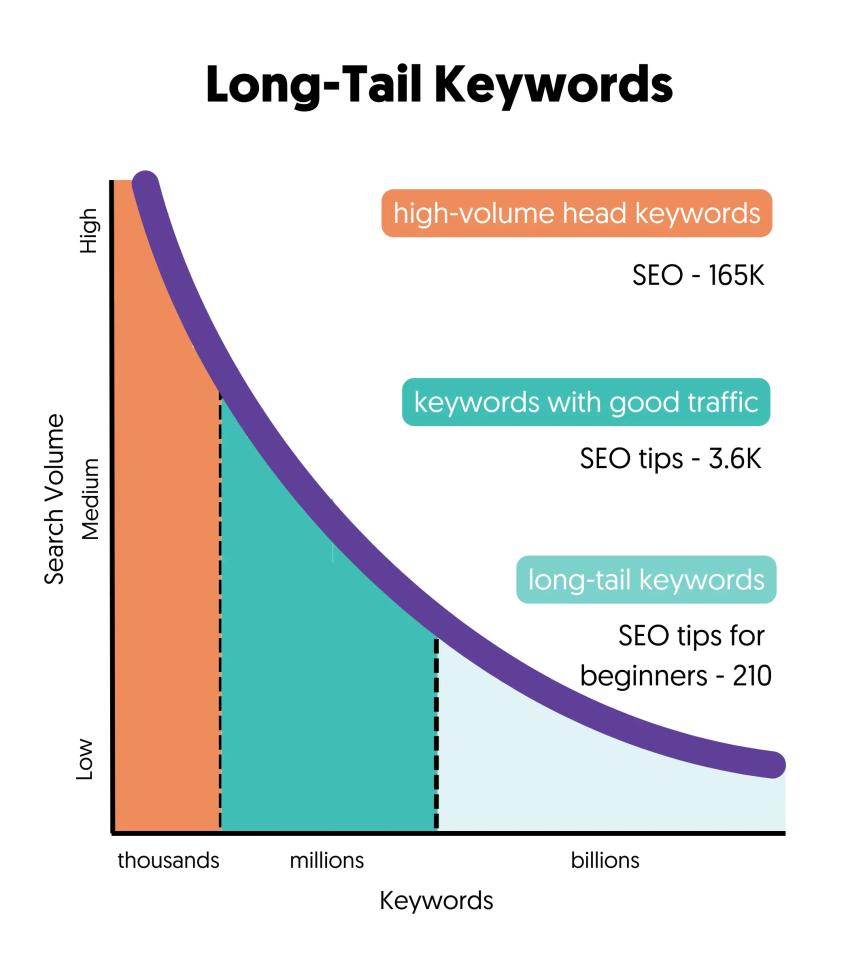
Long-tail keywords are search phrases that contain three or more words and focus on a specific topic or intent. Unlike broad keywords, they narrow down exactly what a user is looking for. For example, instead of searching for “SEO,” a user might search for “SEO strategies for small service websites.” This longer phrase reveals a clearer intent and a more focused need.
These keywords may receive lower individual search volume, but collectively they account for a large portion of total search traffic. More importantly, they attract users who already know what they want, which makes their visits more meaningful.
Why Long-Tail Keywords Exist in Modern Search
Search engines have evolved to prioritize relevance and usefulness. As algorithms became more advanced, they began interpreting context, semantics, and intent rather than just matching single words. Long-tail keywords naturally align with this evolution because they mirror how people think and communicate.
Voice search, mobile usage, and conversational queries have further increased their importance. Users now speak full questions into their devices, making long-tail phrases more common than ever.
How Long-Tail Keywords Differ from Short Keywords
Short keywords are broad and competitive. They often attract a wide audience with mixed intent. Long-tail keywords, on the other hand, are specific and targeted. They usually indicate that the user is further along in their search journey.
While short keywords may bring more impressions, long-tail keywords bring more qualified visitors. This difference directly affects engagement metrics such as time on page, bounce rate, and return visits.
The Role of User Intent in Long-Tail Keywords
User intent is the foundation of modern SEO. Long-tail keywords clearly express intent, whether the user is seeking information, guidance, or comparison. Because of this clarity, content optimized around these phrases can directly answer the user’s question.
When a page satisfies intent effectively, search engines recognize its value. Over time, this leads to improved visibility, trust signals, and ranking stability.
How Long-Tail Keywords Help Drive Targeted Traffic
Traffic quality matters more than traffic quantity. Long-tail keywords attract users who are actively searching for specific answers. These visitors are more likely to read thoroughly, explore related content, and return later.
Since competition is lower for most long-tail phrases, websites have a better chance of ranking without relying on aggressive tactics. This makes them especially valuable for growing websites and content driven platforms.
Long-Tail Keywords and Content Depth
Content depth is essential for ranking in competitive search environments. Long-tail keywords naturally encourage detailed, well structured content. When writers focus on specific queries, they tend to explain concepts more clearly and thoroughly.
This depth improves user experience and strengthens topical authority. Search engines favor pages that demonstrate a deep understanding of a subject rather than shallow keyword usage.
How Search Engines Interpret Long-Tail Queries
Search engines analyze long-tail queries using semantic understanding. They look beyond exact matches and evaluate whether content addresses the overall topic comprehensively. This means that well written content can rank for multiple related phrases without repetitive optimization.
By focusing on meaning rather than keyword density, long-tail strategies align with how modern algorithms evaluate quality.
The SEO Advantage of Lower Competition
One of the strongest benefits of long-tail keywords is reduced competition. Fewer websites target highly specific phrases, which creates ranking opportunities. This is particularly useful for new or mid sized websites building authority.
Over time, ranking for multiple long-tail keywords can collectively generate significant organic traffic. This growth is steady, sustainable, and less vulnerable to sudden algorithm changes.
Long-Tail Keywords and Search Visibility Growth
Ranking for long-tail keywords often leads to broader visibility. As search engines associate a website with a specific topic, it may begin ranking for related queries as well. This creates a compounding effect where visibility expands naturally.
This approach supports long term SEO growth without relying on shortcuts or manipulative practices.
Content Strategy Built Around Long-Tail Keywords
A content strategy centered on long-tail keywords focuses on solving real problems. Blog posts, guides, and informational pages become more user focused and practical. This improves trust and encourages repeat visits.
Such strategies are commonly observed in insights shared by Digital Marketing Companies in USA, where emphasis is placed on relevance, intent, and sustainable traffic growth rather than short term spikes.
Long-Tail Keywords and EEAT Principles
Experience, Expertise, Authoritativeness, and Trustworthiness are core quality signals. Long-tail keyword focused content naturally supports these principles. It demonstrates subject knowledge, real world understanding, and attention to user needs.
By answering specific questions clearly, websites establish credibility and build long term trust with both users and search engines.
Common Misconceptions About Long-Tail Keywords
A common misconception is that long-tail keywords do not generate enough traffic. While individual phrases may have lower volume, their combined impact is substantial. Another myth is that they are only useful for small websites. In reality, even established platforms rely heavily on long-tail queries to capture niche audiences.
Understanding these misconceptions helps businesses adopt a more balanced and realistic SEO strategy.
How Long-Tail Keywords Improve User Engagement
When users find exactly what they are looking for, engagement naturally improves. Pages optimized for long-tail keywords tend to have clearer structure, better flow, and more relevant information.
This leads to longer session duration, lower bounce rates, and stronger user signals, all of which contribute positively to search performance.
Long-Tail Keywords in a Changing Search Landscape
Search is becoming more conversational and personalized. Artificial intelligence, natural language processing, and contextual understanding are shaping how results are displayed. Long-tail keywords fit seamlessly into this landscape because they reflect natural language patterns.
As search continues to evolve, specificity and clarity will remain essential.
Building Sustainable Traffic with Long-Tail Keywords
Sustainable traffic comes from consistency and relevance. Long-tail keywords support both. They allow websites to grow steadily, adapt to changes, and maintain visibility even as competition increases.
Rather than chasing trends, this approach focuses on lasting value and user satisfaction.
Conclusion
Long-tail keywords are more than an SEO technique. They represent a shift toward user centered search experiences. By focusing on specific needs, clear intent, and meaningful content, they help websites attract the right audience at the right time.
In a competitive digital environment, long-tail keywords offer a practical, ethical, and future ready path to driving organic traffic. When used thoughtfully, they support long term visibility, trust, and growth.
FAQs (Frequently Asked Questions)
What makes long-tail keywords important for SEO today?
Long-tail keywords are important because they align with how users search in modern environments. They reflect specific intent, reduce competition, and allow content to rank more easily. By targeting these phrases, websites can attract visitors who are more engaged and more likely to find value in the content.
Do long-tail keywords work for new websites?
Yes, long-tail keywords are especially effective for new websites. Since competition is usually lower, newer sites have a better chance of ranking. This helps build early visibility, authority, and trust while gradually expanding reach through related topics.
How do long-tail keywords affect content quality?
They encourage deeper, more focused content. When writers address specific queries, they naturally provide clearer explanations and better structure. This improves readability, user satisfaction, and overall content quality, which search engines value highly.
Can one page rank for multiple long-tail keywords?
A well written page can rank for several related long-tail keywords. Search engines evaluate overall relevance rather than exact phrase repetition. By covering a topic comprehensively, a page can attract traffic from multiple variations of user queries.
Are long-tail keywords still relevant with AI powered search?
Long-tail keywords are becoming even more relevant with AI driven search systems. These systems prioritize context and intent. Since long-tail phrases clearly express user needs, they help content align with advanced search interpretation and personalized results.