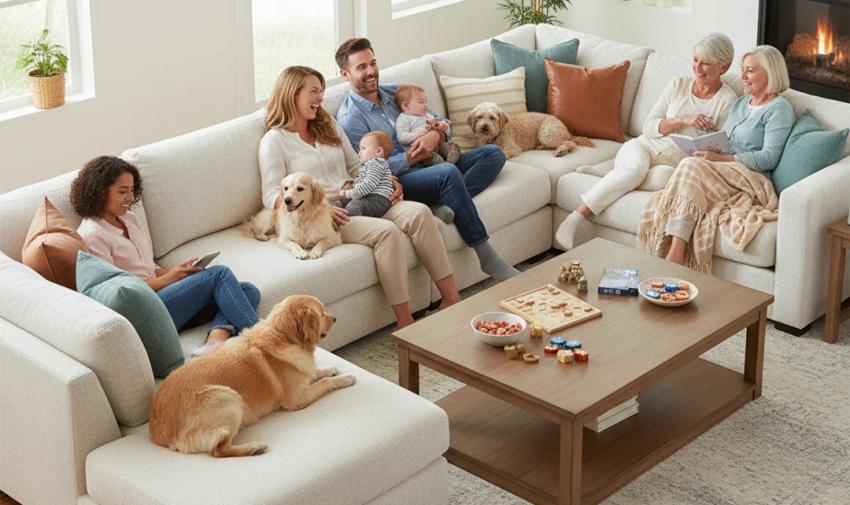
Furnishing your living room means making decisions you will live with for years. The sofa anchors the entire space. It gets used more than any other furniture piece including that wardrobe with drawers upstairs in your bedroom. Your family sprawls on it after dinner. Kids bounce on the cushions despite being told not to. Pets claim their favorite spots. The fabric needs to handle all this abuse while still looking decent.
Most people choose sofas based on appearance alone. They see something attractive in a showroom and buy it without considering actual durability. Six months later the fabric shows wear that would not exist with better material selection.
Real life is messy. Spills happen constantly. Mud transfers from shoes to cushions. Pen marks appear mysteriously. Your sofa fabric needs to survive these daily assaults or you will spend years frustrated with a purchase that looked great but performs poorly.
Understanding Fabric Types And Their Performance
Cotton feels soft and natural. People love the breathable texture against skin. Unfortunately pure cotton stains easily and fades fast under sunlight. Not ideal for high-traffic family spaces.
Linen has that relaxed elegant look everyone admires in magazines. It wrinkles constantly though. Every time someone sits down they create new creases. The rumpled appearance works in some design styles but drives neat-focused people crazy.
Polyester gets dismissed as cheap synthetic material. Actually modern polyester blends offer impressive durability. The fibers resist staining better than natural materials. Colors stay vibrant longer. Manufacturing advances have eliminated that plasticky feel older polyester had.
Microfiber represents a specific type of polyester weave. The tight fiber construction repels liquids initially before they soak in. This gives you precious seconds to grab a towel after spills. Parents with young children appreciate this feature immensely.
Velvet makes a comeback in contemporary design. The plush texture feels luxurious and adds visual depth through light-catching nap direction. Durability varies wildly depending on backing material and pile density. Quality velvet withstands years of use while cheap versions flatten and bald quickly.
Weave Patterns That Withstand Daily Use
Tight weaves last longer than loose ones. The principle seems obvious yet many attractive fabrics feature loose decorative weaves that snag and pull. Run your hand firmly across any fabric you are considering. Does it feel solid or can you see it shifting and separating?
Jacquard weaving creates intricate patterns woven directly into the fabric rather than printed on top. These patterns cannot fade or rub off because they exist in the weave structure itself. Jacquards work beautifully for families wanting pattern without the maintenance headaches of printed fabrics.
Chenille features a soft fuzzy texture that kids and adults both love touching. The construction uses short fibers twisted onto a core thread. Quality chenille holds together well. Cheap versions shed fibers constantly leaving fuzz all over clothing.
Plain weaves might seem boring compared to textured options. They actually offer maximum durability because every thread runs perpendicular creating strong fabric structure. Sometimes simple construction beats fancy alternatives for pure longevity.
Color Selection For Hiding Inevitable Stains
White sofas look stunning in design magazines. They create bright airy spaces that feel clean and modern. White fabric with children or pets is basically insanity unless you enjoy constant stress about cleanliness.
Dark colors seem like the obvious solution for hiding dirt. Black or navy blue definitely camouflage some stains. They also show every piece of lint and dust and pet hair. You end up lint-rolling constantly which is its own kind of annoying.
Medium tones with subtle patterns work best for real family living. Grays with slight heathering hide more than solid colors. Beiges with texture camouflage everyday dirt. Multicolored patterns in medium values disguise the widest range of stains and wear.
Consider what actually gets spilled in your home. Families with young kids face juice and milk accidents. Red wine threatens adult households. Pet owners deal with muddy paw prints. Pick colors that hide your specific common stains.
Texture Choices That Balance Comfort And Cleaning
Smooth fabrics clean more easily than heavily textured ones. Spills sit on the surface where you can blot them up quickly. Crumbs brush off without getting trapped in crevices.
Deep textures feel amazing to touch. They add visual interest and dimension that flat fabrics lack. Unfortunately every ridge and valley collects debris. Vacuuming helps but never gets everything. Textured fabrics gradually accumulate grime in their low spots.
Slight texture offers the best compromise. Enough surface variation to feel interesting without creating dirt-trapping valleys. A subtle nap or gentle weave pattern gives you tactile appeal with reasonable cleaning requirements.
Think about your actual cleaning habits honestly. Will you vacuum your sofa weekly or is that realistically going to happen monthly? Your maintenance commitment should influence texture selection. High-texture fabrics demand dedicated cleaning attention.
Comparing Fabric Sofas To Other Materials
Leather Sofas offer different advantages and challenges than fabric. Leather wipes clean instantly after most spills. It develops character and patina over time rather than just looking worn out. The stiff formal feeling does not suit every family's lifestyle though.
Leather also costs significantly more upfront. Quality leather that withstands family use runs double or triple the price of comparable fabric sofas. Budget constraints make this difference important for many households.
Synthetic leather alternatives have improved dramatically. Modern materials mimic real leather appearance while offering easier maintenance. Some people still prefer genuine materials but synthetics deserve consideration for family-friendly durability.
Fabric Sofas generally feel more inviting and comfortable for everyday lounging. They come in vastly more color and pattern options. The softer surface works better for napping and relaxing compared to leather's firmer feel.
Frame Construction That Supports Long-Term Use
Beautiful fabric on a weak frame means disappointing sofa performance. The structure underneath determines whether cushions stay supportive or collapse into lumpy disasters within months.
Hardwood frames last decades with proper care. Kiln-dried hardwoods resist warping and cracking. The joints should use traditional woodworking techniques like mortise-and-tenon or dowels rather than just staples and glue.
Metal frames work well too especially in modern designs. Steel or aluminum construction provides excellent structural support. Check for rust-resistant finishes if the sofa might face humidity.
Particle board frames appear in budget furniture frequently. They reduce costs dramatically but fail much faster under stress. The compressed wood particles break down when screws loosen or weight stresses joints. Avoid this construction for sofas getting daily family use.
Corner braces and support blocks indicate quality construction. These reinforcements at stress points prevent wobbling and frame separation. Lift the sofa slightly and check for squeaking or flexing that suggests weak joints.
Cushion Fill Materials For Different Needs
Foam density makes enormous difference in comfort and longevity. High-density foam maintains its shape and support for years. Low-density foam compresses quickly leaving permanent indentations where people sit most.
Check foam specifications before buying. Density ratings above 1.8 pounds per cubic foot indicate quality foam. Anything below 1.5 will flatten disappointingly fast under regular use.
Down and feather fills feel incredibly soft and luxurious. They require constant fluffing to maintain appearance though. Feathers migrate and bunch up leaving flat spots. This high-maintenance option suits formal living rooms better than family spaces.
Combination fills balance support and softness. A foam core wrapped in down or fiber batting provides both structure and plush comfort. These hybrids deliver that sink-in feeling without completely losing shape.
Reversible cushions extend sofa lifespan. When one side shows wear you simply flip them over. This even distribution of use prevents those worn indentations that make sofas look old.
Configuration Options For Family Spaces
Standard three-seater sofas work for smaller families and rooms. They seat three adults comfortably or four kids squeezed together during movie nights. The straightforward shape fits most room layouts easily.
Corner Sofas maximize seating in available space. The L-shape tucks into room corners efficiently. Large families appreciate the extra seats without needing multiple furniture pieces. Configuration flexibility lets you arrange sectional pieces different ways as your needs change.
Recliner sofas add functionality that families love. Built-in recliners let multiple people kick back simultaneously. Kids fight over the reclining spots during family movie time. The mechanical components add cost and potential maintenance issues but many families consider them worthwhile.
Sofa beds serve dual purposes in homes needing guest accommodation. The fold-out mattress provides occasional sleeping space without dedicating a room to a bed. Comfort varies wildly between models. Test the mattress function not just the sofa seating if this feature matters.
Modular systems let you create custom arrangements. Individual pieces connect to form your ideal configuration. Add or subtract sections as your family and space needs evolve. This flexibility costs more initially but provides long-term adaptability.
Protective Treatments And Maintenance Products
Fabric protection sprays create barriers against stains. Applied properly they give you time to clean spills before they soak into fibers. Reapplication every six months maintains effectiveness.
Some fabrics come pretreated from manufacturers. Check whether your chosen sofa includes this feature. Factory application usually works better than aftermarket sprays but adds to purchase cost.
Scotchgard remains the most recognized protection brand. Generic alternatives work almost as well at lower prices. Read reviews before choosing since quality varies between products.
Regular vacuuming prevents dirt from grinding into fabric fibers. Use upholstery attachments to reach crevices where crumbs hide. Weekly maintenance takes minutes and extends fabric life significantly.
Spot cleaning works better than soaking entire cushions. Blot spills immediately with clean cloths. Use appropriate cleaners for specific stains rather than generic soap that might set stains permanently.
Budget Considerations Beyond Initial Price
Cheap sofas seem economical until they need replacing after three years. Calculate cost per year of use rather than just initial price. A £1200 sofa lasting 12 years costs £100 annually. A £400 sofa lasting 3 years costs £133 annually plus the hassle of replacement.
Quality fabric justifies higher prices through extended lifespan. The difference between budget and premium fabrics might be £300 upfront. That premium fabric could last twice as long making it the better value.
Delivery and assembly fees add to total costs. Some retailers include these while others charge separately. Factor in complete expenses when comparing options.
Warranty coverage indicates manufacturer confidence in their product. Five to ten year warranties on frames and cushions suggest quality construction. One year warranties signal furniture designed for shorter lifespan.
Pendle Village Furniture offers transparent pricing that includes quality construction and reasonable warranties. Their fabric selections focus on durability appropriate for real family use rather than just showroom appeal.
Measuring Your Space Accurately
Measure your room before falling in love with any sofa. Doorways and hallways need to accommodate delivery too. A sofa that fits the room but cannot get through your front door creates expensive problems. Leave walking space around furniture. You need at least 75 centimeters clearance for comfortable passage. Cramped furniture arrangements make rooms feel smaller than their actual dimensions. Consider sight lines from different positions. Will the sofa back block views from your kitchen into the living area? Does it obstruct the television from certain seats?
Account for reclining mechanisms if choosing recliner sofas. The backrest needs space to lean backward without hitting walls. Measure the full reclined dimension not just the upright depth. Natural light exposure affects fabric fading. Positioning your sofa directly in bright window light accelerates color loss. UV-protective window treatments help but cannot eliminate the problem completely.
Testing Sofas Before Purchasing
Sit on display models for several minutes. Perch briefly gives a false impression. Sink into the cushions and really feel the support level and comfort depth.
Bring family members to test together. What feels great to you might not work for your spouse or kids. Everyone who will use the sofa regularly deserves input on the choice.
Check the seat height. Taller people need higher seats for comfortable sitting and standing. Shorter people prefer lower seats where feet touch the floor naturally. Standard heights work for average builds but extremes need consideration.
Arm height matters for comfort too. Low arms let you sprawl sideways. High arms provide head support when lounging. Your typical sofa use patterns should guide this choice.
Fabric samples help verify colors in your actual lighting. Showroom lights differ from home lighting drastically. Take samples home and view them where the sofa will actually live before committing.
Making Your Final Decision
List your non-negotiable requirements before shopping. Maybe you absolutely need machine-washable covers. Perhaps pet-proof fabric is essential. Knowing your must-haves prevents getting swayed by attractive options that do not meet your actual needs.
Read reviews from verified purchasers. Real user experiences reveal problems that showroom visits miss. Look for comments about how fabric holds up after months or years of use.
Consider your timeline for this purchase. Rushing leads to regrettable compromises. Better to wait a month for the right sofa than buy immediately and regret it for years.
Visit Pendle Village Furniture to explore fabric options designed for durability. Their staff can guide you toward materials that match your specific family needs and usage patterns. Check https://www.pendlevillagefurniture.co.uk/ for their current collections and to schedule a consultation.
Trust your instincts alongside practical considerations. You will look at this sofa every single day. Choose something that makes you genuinely happy rather than just checking boxes on a requirements list.
Frequently Asked Questions
How often should I clean my fabric sofa professionally?
Most family sofas benefit from professional cleaning every 12 to 18 months. High-use households with kids and pets might need it annually. Regular vacuuming between professional cleanings maintains appearance and extends the time between deep cleans.
Can I change sofa covers if I want a different look later?
Some sofas feature removable covers designed for replacement. Check this feature when buying if you want future flexibility. Custom slipcovers can fit most sofas but cost almost as much as new furniture sometimes. Built-in removable covers offer the most practical updating option.
What fabric works best for homes with multiple pets?
Tightly woven microfiber or performance fabrics resist pet hair and claw snags better than other materials. Avoid loose weaves that catch claws. Medium colors hide pet hair better than very dark or light fabrics. Pendle Village Furniture can recommend specific pet-resistant fabric lines.
Are fabric sofas suitable for households with allergy concerns?
Fabric collects more allergens than leather but regular vacuuming and professional cleaning manage this effectively. Choose tight weaves that trap less dust. Removable washable covers work best for severe allergies since you can launder them regularly in hot water.
How do I know if a fabric sofa will last in my busy household?
Look for high-density foam above 1.8 pounds per cubic foot and hardwood frame construction. Check rub count ratings above 25000 for fabrics in high-use areas. Test the sofa in person for sturdy feel rather than relying on appearance alone. Quality retailers like Pendle Village Furniture stock sofas built for real family demands.