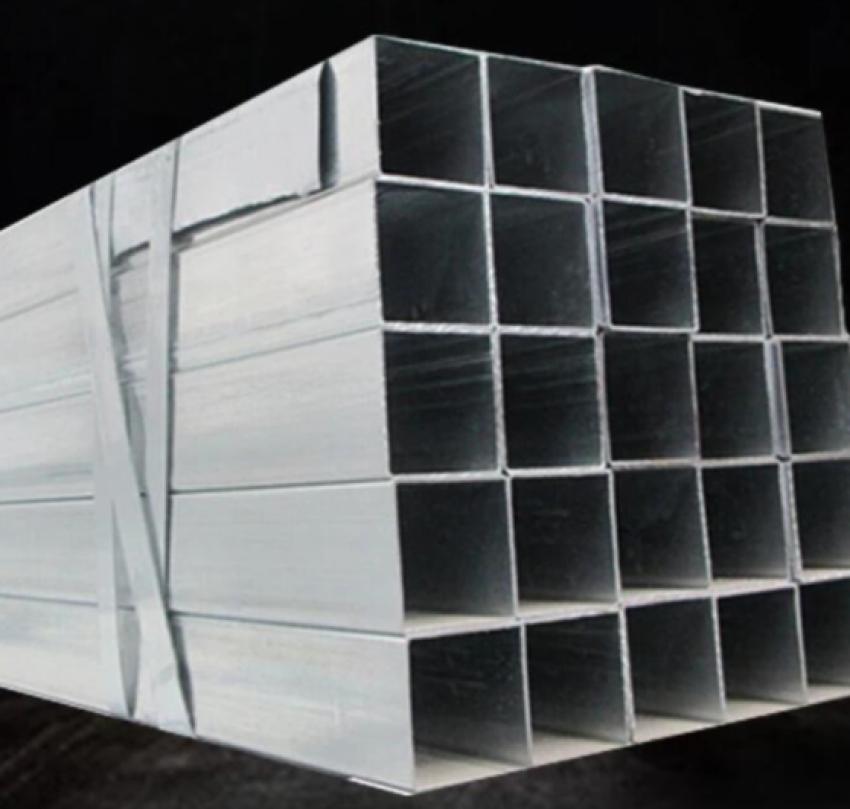
Square tubes (SHS tube), as a common metal material, are widely used in construction, machinery manufacturing, furniture making, and other fields. For enterprises or individuals procuring square tubes, understanding market conditions and mastering procurement skills are crucial for reducing costs and improving efficiency. The following analysis will focus on market research and procurement strategies to help readers better complete their square tube procurement tasks.
Square Tube Wholesale Market Research
1. Market Distribution and Characteristics
Square tube wholesale markets are typically concentrated in industrial areas or metal material distribution centers. Markets in different regions vary in price, specifications, and supply capacity. For example, some large metal trading markets may offer a wider selection of specifications, while small and medium-sized markets primarily provide localized services. When conducting research, attention should be paid to the market size, the number of suppliers, and the main circulating square tube materials (such as S235JRH, S355J2H, A500, etc.).
2. Price Fluctuation Factors
The price of square tubes is affected by various factors, including raw material costs, supply and demand, and transportation costs. The overall steel market trend is the main reference indicator, while seasonal demand changes (such as peak construction seasons) may also lead to short-term price increases. It is recommended to regularly monitor industry dynamics and avoid concentrated procurement during periods of high prices.
3. Supplier Evaluation
When selecting suppliers, it is necessary to examine their production capacity, inventory status, delivery cycle, and after-sales service. Supplier reputation can be assessed through on-site visits and industry recommendations. Suppliers should be required to provide product quality inspection reports to ensure that the dimensional tolerances and surface treatment of the square tubes meet industry standards.
Square Tube Procurement Guide:
1. Define Required Specifications
Square tube specifications include parameters such as side length, wall thickness, and length. Specific requirements must be determined based on the actual application before procurement. For example, square tubes used in building structures typically require higher load-bearing capacity, while decorative square tubes prioritize surface smoothness. It is necessary to confirm whether custom cutting or special anti-corrosion treatment is required.
2. Bulk Procurement and Negotiation Techniques
Bulk procurement usually yields more favorable prices, but inventory costs must be balanced. When purchasing, compare quotes from multiple suppliers and negotiate whether transportation costs are included. For orders with a clear intention for long-term cooperation, strive for flexible methods such as tiered pricing or periodic settlement.
3. Quality Acceptance Standards Upon receiving the goods, check the appearance of the square tubes for flatness, rust, or deformation, and use calipers to randomly check if the wall thickness meets the contract stipulations. If necessary, commission a third-party testing agency to conduct random checks on the mechanical properties of the materials (such as tensile strength). If any problems are found, promptly communicate with the supplier regarding returns and exchanges.
Common Issues and Precautions:
1. Transportation and Storage Square tubes are prone to deformation at the edges and corners during transportation due to collisions; require the supplier to take measures to secure them. Avoid open-air stacking during storage to prevent rainwater corrosion; square tubes of different specifications should be stored separately for easy access.
2. Environmental Protection and Compliance Some industries have high environmental requirements for metal materials; confirm whether the production process of the square tubes meets relevant standards (such as the environmental friendliness of the galvanized layer). Environmental responsibility clauses should be clearly stated in the purchase contract.
3. Impact of Regional Differences Price differences may exist in the square tube market across different regions. For example, coastal areas have an advantage due to convenient logistics, allowing for imported materials; while inland areas may primarily rely on local steel mills. Cross-regional procurement requires comprehensive calculation of transportation costs.