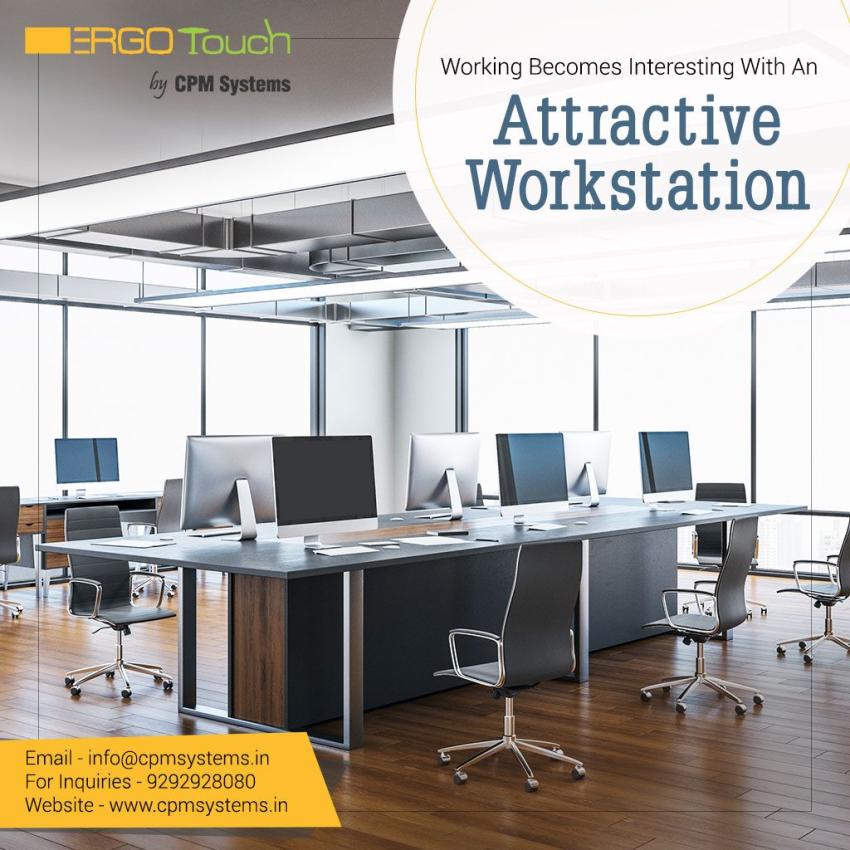
Every workspace tells a story. From the way desks are aligned to how comfortable a chair feels after long hours office workstations quietly influence productivity morale and efficiency. For Office Workstations Manufacturers in Chennai customer satisfaction isn’t just a metric it’s a reflection of how well their products blend function comfort and long-term value. But how exactly do workstation manufacturers measure whether their customers are truly satisfied? The answer goes far beyond simple feedback forms.
Understanding Customer Satisfaction in the Workstation Industry
Customer satisfaction in the workstation manufacturing sector is multi-dimensional. It’s not limited to how a product looks when installed. Instead, it includes durability, ergonomics, customization, service quality, delivery timelines, and post-installation support.
Manufacturers understand that office furniture is a long-term investment. A workstation that performs well for years becomes a silent brand ambassador, while a poorly designed one quickly creates dissatisfaction across teams.
Direct Customer Feedback: Listening to Real Voices
One of the most reliable ways manufacturers measure satisfaction is by directly asking customers.
Feedback Forms and Surveys
After installation or project completion, many manufacturers send structured surveys asking about:
Product quality
Comfort and ergonomics
Design flexibility
Installation experience
Overall satisfaction
These surveys may be digital or in-person, allowing customers to share both ratings and open-ended comments.
One-on-One Client Discussions
For large corporate projects, personal interactions matter. Sales managers or project coordinators often conduct follow-up meetings to understand:
Whether expectations were met
What challenges arose during usage
What could be improved in future projects
This qualitative feedback helps manufacturers refine not just products, but also their approach to customer relationships.
Repeat Business and Client Retention Rates
A satisfied customer often comes back. Workstation manufacturers closely monitor repeat orders and long-term contracts as a strong indicator of satisfaction.
When companies return for:
Office expansions
New branch setups
Workspace redesigns
…it signals trust and approval. High retention rates are often valued more than one-time positive feedback because they demonstrate sustained satisfaction over time.
Installation and Post-Installation Performance Reviews
The real test of a workstation begins after it’s installed and used daily.
Post-Installation Audits
Manufacturers may conduct internal reviews weeks or months after installation to check:
Structural stability
Wear and tear
User comfort feedback
Any recurring issues are documented and addressed, helping improve future designs.
Maintenance Requests Tracking
Customer satisfaction can also be measured by the nature and frequency of service calls. Fewer complaints or quick resolutions often indicate better product quality and support efficiency.
Employee Experience Feedback from Client Organizations
Some manufacturers go a step further by evaluating how end-users—employees—feel about the workstations.
This may include:
Comfort during long working hours
Ease of movement and storage
Impact on productivity
When employees feel comfortable and supported, organizations report higher overall satisfaction, which reflects positively on the manufacturer.
Online Reviews and Digital Reputation Monitoring
Digital presence plays a crucial role in measuring satisfaction.
Online Reviews and Ratings
Manufacturers monitor reviews on:
Business listings
Industry platforms
Social media
Positive reviews highlight strengths, while negative ones expose gaps that need immediate attention.
Social Media Mentions
Customer comments, tags, and discussions provide honest, unfiltered opinions. Many manufacturers actively respond to these interactions, turning feedback into opportunities for improvement.
Customization Success Rate
Office workstations are rarely one-size-fits-all. Satisfaction is closely tied to how well a manufacturer can meet custom requirements.
Manufacturers measure:
Accuracy of customization
Alignment with client branding
Functional adaptability
Successful customization with minimal revisions indicates a strong understanding of client needs.
Delivery Timelines and Project Execution Metrics
Timely delivery significantly impacts satisfaction. Delays can disrupt office operations and create frustration.
Manufacturers track:
On-time delivery percentages
Installation completion timelines
Coordination efficiency with client teams
Consistent performance in these areas builds reliability and customer confidence.
Net Promoter Score (NPS): Measuring Loyalty
Many workstation manufacturers use the Net Promoter Score to measure satisfaction and loyalty.
Customers are asked a simple question:
“How likely are you to recommend our workstations to others?”
Based on responses, customers are categorized as:
Promoters
Passives
Detractors
A high NPS indicates strong brand trust and customer advocacy.
Internal Quality Assessments Linked to Customer Feedback
Customer satisfaction doesn’t exist in isolation—it feeds directly into product development.
Manufacturers analyze:
Common complaints
Frequently praised features
Suggested improvements
These insights influence material selection, ergonomic enhancements, and design innovation in future workstation models.
Why Measuring Customer Satisfaction Matters
For workstation manufacturers, customer satisfaction isn’t just about praise—it’s about progress. Measuring satisfaction helps:
Improve product quality
Strengthen client relationships
Reduce long-term service costs
Build a strong brand reputation
For Office Workstations Manufacturers in Chennai, where competition and expectations are high, understanding customer sentiment is key to standing out in the market.
Conclusion
Customer satisfaction in the workstation manufacturing industry is a continuous process not a one-time achievement. By listening to customers tracking real-world performance monitoring digital feedback and analyzing long-term relationships manufacturers gain valuable insights into what truly works.
The most successful manufacturers treat satisfaction as a partnership where every desk panel and chair is designed with the end user in mind. When comfort quality and service come together customer satisfaction becomes more than a measurement it becomes a standard.