Finding storage solutions for unusual spaces can feel overwhelming. You want something practical yet stylish. A wardrobe with drawers becomes essential when floor space is limited and corners seem impossible to use effectively. These tricky areas often go to waste because standard furniture just won't fit properly.
Many homes have those frustrating spots where walls meet at odd angles or where sloped ceilings create challenges. Traditional hinged doors need clearance to swing open. That's where sliding mechanisms change everything.
Why Corner Spaces Create Storage Headaches
Corners are notoriously difficult. They're either too tight or shaped strangely. Most furniture manufacturers design for standard rectangular rooms. Real homes rarely follow those neat patterns though.
Alcoves next to chimneys present unique problems. Bay windows eat into usable wall space. Dormer bedrooms have angled ceilings that make placement tricky. You end up with dead zones that collect dust instead of storing clothes.
The average bedroom loses about 15 percent of its potential storage to awkward geometry. That's significant when you're trying to organize everything from winter coats to shoe collections.
How Sliding Mechanisms Solve Spatial Problems
Hinged doors need arc space. A standard door requires roughly 90 centimeters of clearance radius. Sliding systems eliminate that requirement completely.
Panels glide along tracks instead. You can position furniture right up against the wardrobe without blocking access. This makes corners suddenly usable again.
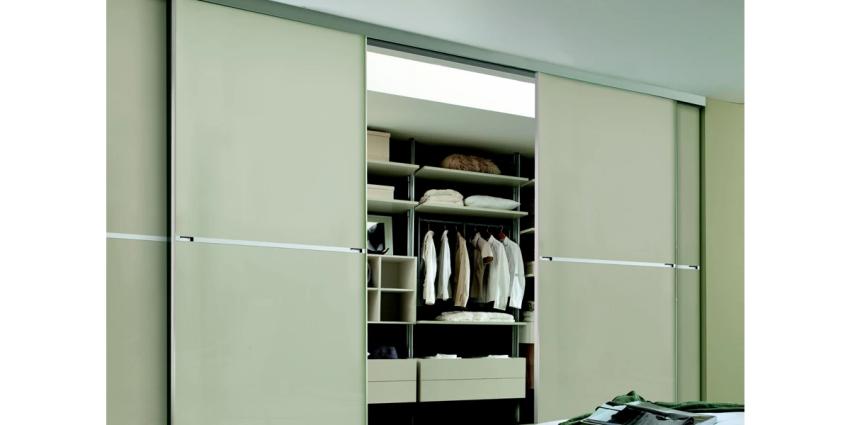
Modern sliding door wardrobe designs come in configurations specifically for tight spots. L-shaped units wrap around corners naturally. Angled front panels accommodate sloped walls or offset doorways.
The track system itself is remarkably thin. Most quality installations add only 5 to 8 centimeters to the overall depth. That's minimal compared to the space you gain back.
Custom Solutions Beat Standard Furniture
Ready-made wardrobes rarely fit unusual spaces perfectly. You end up with gaps or sections that don't quite work. Custom builds solve this problem directly.
Bespoke designs measure your exact dimensions. Every angle gets accounted for. Ceiling height variations don't matter because the unit is built to match.
Home Of Wardrobes specializes in creating storage that adapts to your room rather than forcing your room to adapt to furniture. Their design process starts with precise measurements and considers how you actually use your space.
Corner units can incorporate multiple hanging heights. Short sections work for folded items or shirts. Longer drops accommodate dresses and coats. Internal configurations get planned around your actual wardrobe rather than generic assumptions.
Materials That Maximize Difficult Spaces
Heavy solid wood looks beautiful but adds bulk. When space is already limited that becomes problematic.
Engineered materials offer strength without excessive thickness. High-quality MDF with proper finishes provides durability and keeps panel depths manageable. You gain centimeters that matter in tight corners.
Glass and mirror surfaces create visual expansion too. A mirror wardrobe doesn't just reflect light. It makes small bedrooms feel substantially larger while serving a practical purpose.
Mirrored panels on sliding doors eliminate the need for a separate standing mirror. That frees up more floor space. The reflection also disguises the wardrobe somewhat by bouncing back the room itself.
Frosted or tinted glass adds variety without losing that spacious feeling. Some designs combine mirror strips with colored glass panels for visual interest.
Internal Organization For Maximum Efficiency
Sliding doors are only part of the solution. What happens inside the wardrobe matters just as much.
Deep corners can become black holes where items disappear. Pull-out racks and rotating carousels bring everything forward for easy access. Corner poles that pivot make hanging items in L-shaped sections practical.
Drawer systems integrated at the bottom utilize height efficiently. These work especially well in units with angled tops where hanging space gets shorter. Stack several shallow drawers rather than one deep one for better organization.
Adjustable shelving adapts as your needs change. What works for bulky sweaters in winter can shift to accommodate summer items later. Internal LED lighting helps visibility in corners that natural light never reaches.
Installation Considerations For Awkward Angles
Professional installation becomes more important with complex spaces. Corners aren't forgiving of measurement errors.
Track alignment must be perfectly level. Even slight variations cause sliding doors to stick or roll poorly. Walls in older homes are rarely perfectly straight either. Experienced installers account for these irregularities.
Floor-to-ceiling designs need ceiling joist location checks. Weight distribution matters when you're filling a large corner unit completely. Proper anchoring prevents future problems.
Some corner configurations require floor tracks rather than top-hung systems. This depends on ceiling structure and whether you have carpeting or hard floors. Each approach has specific requirements.
Design Styles That Work In Corners
Modern minimalist designs suit corner installations well. Clean lines and handleless panels create seamless appearances. The wardrobe becomes part of the architecture rather than obviously added furniture.
Traditional paneled fronts work too though. You can match existing room woodwork or choose contrasting finishes for impact. The sliding mechanism doesn't dictate aesthetic choices.
Textured finishes add depth without bulk. Wood grain effects or subtle patterns provide visual interest while keeping surfaces practical. Matte finishes hide fingerprints better than high gloss in high-traffic areas.
Color choices influence how the wardrobe integrates spatially. Lighter tones help it recede visually. Darker shades make a statement but can overwhelm small rooms. Consider how natural light hits the corner throughout the day.
Budget Planning For Corner Wardrobes
Custom corner solutions cost more than basic rectangles. That's unavoidable. The question becomes whether the improved functionality justifies the investment.
Track systems range significantly in quality. Cheaper mechanisms wear faster and operate less smoothly. Spending more on hardware pays off in daily use over years.
Panel materials affect pricing substantially. Real wood veneer costs more than printed finishes. Mirror adds weight and expense. Glass panels increase both materials and installation costs.
Interior fittings multiply quickly too. Every drawer, shelf divider or specialty rack adds to the total. Prioritize what you'll actually use regularly rather than every available option.
Getting quotes from multiple suppliers makes sense. Just ensure you're comparing equivalent specifications. Home Of Wardrobes provides detailed breakdowns so you understand exactly what you're paying for.
Maintenance And Longevity
Sliding tracks collect dust and debris. Regular vacuuming keeps them operating smoothly. Most quality systems have easily removable panels for deep cleaning.
Panel surfaces need appropriate care based on material. Mirrors require streak-free cleaners. Wood finishes benefit from occasional conditioning. Laminate surfaces wipe clean easily but can chip if impacted hard.
Hardware occasionally needs adjustment. Rollers can wear or tracks can shift slightly over time. Annual checks prevent minor issues from becoming major problems.
Quality construction lasts decades with proper care. Cheap installations might need replacement within five to eight years. That makes initial investment in better materials and professional fitting worthwhile.
Real Homes With Real Solutions
Every difficult space has workable solutions. Converted attics with multiple angles benefit from segmented sliding panels that follow the roofline. Each section operates independently.
Period homes with chimney breasts use wraparound designs that frame the protrusion. This turns an obstacle into a design feature rather than leaving awkward gaps.
Studio apartments maximize every centimeter with floor-to-ceiling corner units. These combine wardrobe storage with room divider functions. Sliding access from both sides increases flexibility.
Bedrooms with doorways positioned awkwardly get L-shaped installations that work around the traffic flow. The sliding mechanism ensures nothing blocks movement even when accessing storage.
Frequently Asked Questions
Can sliding wardrobes fit sloped ceiling corners?
Yes. Custom builds accommodate angled tops by reducing height progressively. The sliding mechanism works regardless of overall shape. This maximizes storage in loft conversions or dormer bedrooms effectively.
How much corner space do I actually need?
Minimum dimensions of about 120 centimeters on each wall make corner wardrobes practical. Smaller spaces work better with straight units. Larger corners allow more complex configurations with better interior access.
Do sliding doors require more maintenance than hinged?
Not really. Track cleaning takes a few minutes monthly. Quality hardware from suppliers like Home Of Wardrobes lasts years without issues. Hinged doors have their own maintenance needs with catches and hinges.
Can I install corner sliding wardrobes myself?
Technical skills and proper tools make DIY possible. However corner installations demand precision. Professional fitting ensures everything aligns correctly and operates smoothly long-term. Most companies include installation with custom orders.
Will mirrors make my small bedroom look bigger?
Significantly so. Mirrored surfaces double the visual space perception. Strategic placement amplifies natural light too. This works especially well on sliding panels in darker corners.