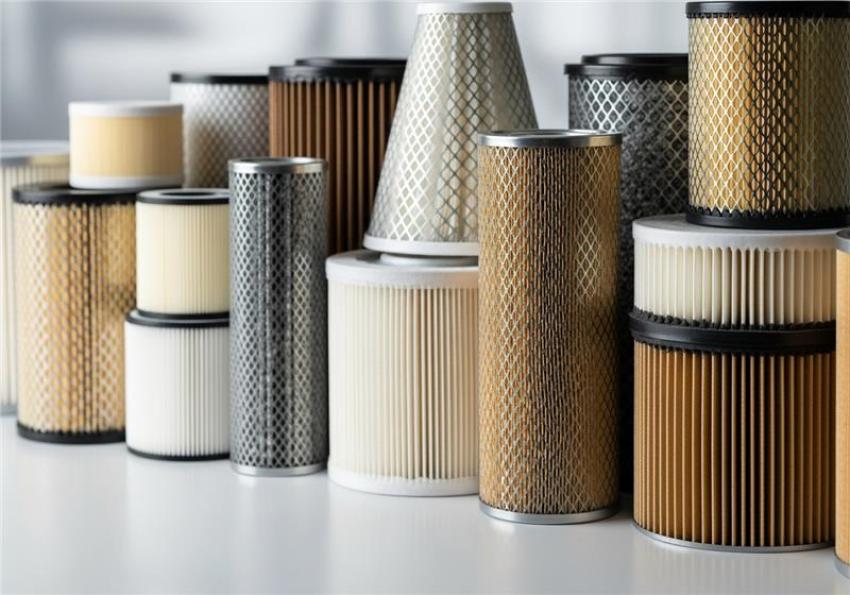
Day by day, as pollution is increasing, it is very important to breathe clean air for a healthy respiratory system. Sometimes in our work unit, where we perform welding or any other task that produces dust particles, also becomes important to clean the air.
But how to choose the right air filters? Choosing the right filter for your requirement is essential because it can affect your HVAC system. Here in this blog, we will explore all about these filters and how you can choose the right filter for your buildings.
Identify Your Air Quality Goals and Contaminants
· Before you plan to purchase anything, your first step should be identifying the need for that product. Here, you also have to first identify what you want to filter.
· If you need a filter for the office, school or retail, then a mid-range filter will work for you. It can remove the dust, pollen and lint from the air.
· If you’re in a hospital or laboratory service factor, then you require high-efficiency air filters. It consumes the bacteria, or air particles, which can spread the diseases to others if they breathe the same air.
· In manufacturing and production units, you require a heavy-duty filter. It should be capable enough to catch the dangerous gases, dust particles and oil from the environment to maintain a safe working condition.
Understand MERV ratings
· It can be read as Minimum Efficiency Reporting Value. It basically shows how well a filter can purify the air. Its rating varies from 1 to 16 units.
· Lower MERV ratings (1-4): This is the starting range of the filter. It can catch the debris and large dirt particles from the air. It also protects the cooling and heating system from getting clogged by these particles.
· Mid-range MERV filters (5-8): This filter catches the mid-range dirt particles and also removes the pollen and mould spores. It can be used in standard commercial buildings. If you want to save both money and your equipment, then it can be a better option.
· High range MERV filters (9-13): This is particularly recommended for health organisations. If they have an area where patients can be very sensitive to any particles, then these types of industrial air filtration are used. It’s not just for patients’ health, but it also protects the health of the other person staying in the same room.
Balancing Performance with System Capacity
· High rating filters can provide you with cleaner air, but they also have their disadvantages. If the rating is high, then the filter is made with a dense material that blocks air flow for the cooling and heating system.
· These systems are designed in a way that they can only work if they get the right amount of air. If the filters are blocking that air flow, then systems have to work harder to provide you with a cool or warmer room.
· If it finds it difficult to get enough airflow, it will use extra electricity. If this pressure remains continues then it can also damage the system after some times.
· To avoid these issues when you think of upgrading your filter, first consult with your AC/Heater supplier. Understand the importance of an air cleaning filter and whether your system can handle the pressure or not. Do not choose the filters that are not suitable for the HVAC system.
Conclusion
Air fitters can provide you with clean air to breathe, but for that, you have to identify your needs. Understand the different ratings and where they can be used. Do not choose filters that can damage your cooling or heating system and cause you to repair expenses. Upgrade the filters that provide you with clean air and suit the capacity of your system.