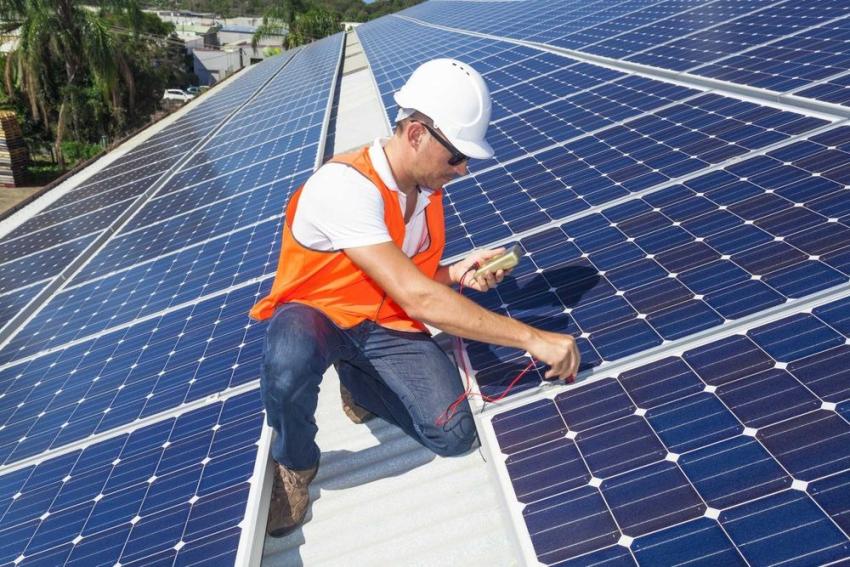
When your solar panels don’t give the energy you expected, it can feel stressful. After all, you chose solar power to save money, reduce bills, and help the planet. So, when the numbers drop, you want answers fast. Luckily, solar installers in Seattle WA know exactly how to handle it. They move quickly, check everything carefully, and bring your system back to life.
In this guide, you’ll learn what professional solar installers do when your output is underperforming. Each step helps ensure your system runs safely, smoothly, and efficiently again.
How Solar Installers in Seattle WA Start with a Smart System Health Check
Solar installers always start with a system health check. They look at every part of your setup to find early clues because even small faults can lead to low power output.
They check:
Panel cleanliness and tilt
Shading from trees or buildings
Wiring and inverter settings
Monitoring data for sudden drops
“Most power losses start small. Early checks prevent big problems later.”
By doing this first, installers see whether the issue is physical or electrical.
Clean the Panels and Remove Obstructions
Next, they inspect panel surfaces. Even dust, bird droppings, or leaves can block sunlight. And because solar panels need light to work, any shadow cuts your power. So, solar installers in Seattle WA start with a Smart System Health Check, clean each panel gently. They use soft brushes, pure water, and eco-safe cleaners. After cleaning, they recheck the readings. Often, energy jumps up instantly.
Fact: Clean panels can boost output by 20% in some cases.
Because of this, keeping your panels clean is one of the simplest, most effective fixes.
Inspect Shading and Sunlight Angles
Then, they check for new shading issues. Maybe a tree has grown taller, or a new structure blocks the light. Solar Installers use special tools like solar pathfinders to test sunlight flow. If shading is a problem, they suggest trimming trees or changing panel angles.
Furthermore, they might even reposition panels for maximum exposure. Because the more sun your panels get, the more power you create.
“Sunlight is free, but capturing it takes precision.”
Review Your Inverter and Power Flow
After that, they inspect the inverter. Since this part converts sunlight into usable power, even small errors here can lower output. Solar installers in Seattle WA check if the inverter shows error codes. Furthermore, they test voltage levels and wiring. They ensure power flows correctly from the panels to your home. If the inverter is faulty, they might reset or replace it. Because inverters usually cause up to 40% of output issues, this check is critical.
Evaluate Battery Storage and Grid Connection
Then, they move on to your energy storage. Also, if your system uses batteries, solar Installers test charging and discharging cycles, and they also check your connection to the power grid. Because sometimes, low output happens due to grid voltage issues, not your panels. By testing both the storage and the grid link, they ensure your energy moves efficiently.
Quick tip: Keeping batteries cool and dry can extend their life and maintain performance.
Review Monitoring Software Data
Most modern systems have online monitoring tools. Solar installers review past data and trends. They look for sudden drops, irregular patterns, or errors. Moreover, these signs often point directly to the problem area. If your system sends alerts, installers track when they started. With this information, they can pinpoint exactly when performance changed.
“Data doesn’t lie — it tells the story of your solar system’s health.”
Through monitoring, they find problems that physical inspections can miss.
Check Wiring, Fuses, and Connectors
Next, they inspect the electrical parts. Loose wires or corroded connectors often cause hidden energy loss. Solar installers in Seattle WA tighten connections, replace damaged wires, and test fuses. They make sure the circuit is stable and safe. They also test grounding and voltage flow. When every wire works perfectly, your system’s efficiency improves instantly.
Fact: Over 15% of underperformance cases come from poor wiring or weak connectors.
Adjust System Settings and Educate Homeowners
Finally, Solar Installers make adjustments. They might fine-tune inverter settings or recalibrate performance modes. Then, they take time to explain everything to homeowners. Because knowing how your system works helps you maintain it better.
They might recommend simple steps like:
Cleaning panels twice a year
Monitoring system data monthly
Scheduling an annual inspection
“Solar success isn’t just about panels; it’s about partnership between you and your installers.”
Moreover, with education and care, your solar power can stay efficient for years.
Common Causes vs. Fixes
Problem
Installer Action
Expected Improvement
Dirty Panels
Clean and rinse surfaces
+10–20% output
Shading or Blockage
Trim trees or adjust tilt
+15% output
Inverter Fault
Reset or replace the inverter
+30% output
Wiring Issues
Tighten or replace connections
+10% output
Battery or Grid Imbalance
Rebalance settings or connections
+20% output
When to Call the Experts
If your panels still don’t perform after cleaning and checking basic parts, it’s time to call professional Solar Installers. Furthermore, they bring years of experience and advanced diagnostic tools to find what others might miss. With expert care, your system can run like new again—efficient, safe, and reliable.
They usually check:
Faulty wiring and loose connectors
Malfunctioning inverters or batteries
Shading or roof angle issues
Damaged panels or sensors
Because skilled installers understand every detail, they restore full solar power fast and ensure lasting performance for your home.
Get Your Solar Power Back
When your solar power dips, don’t wait—act today! At Solar & Advanced Power Solutions LLC, we care about your comfort, savings, and peace of mind. Our friendly experts check every detail, fix performance issues, and help your system shine again. Because when your solar panels work better, your life runs smoothly.