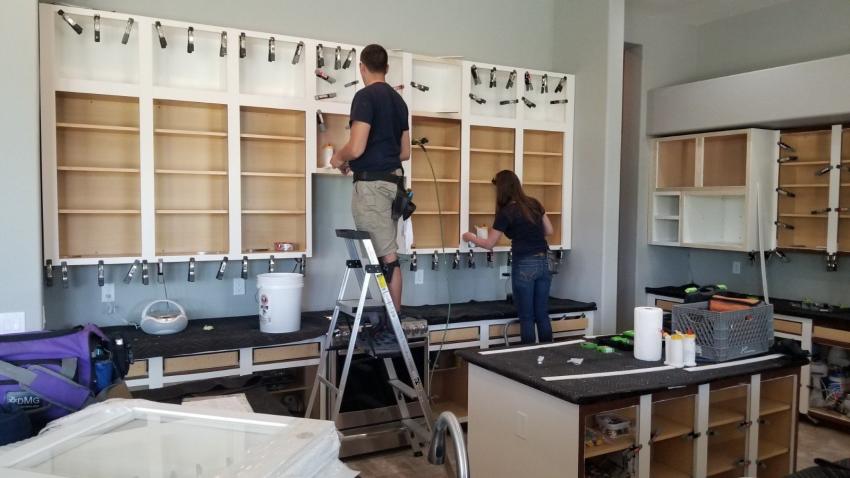
Water can swell wood up to 8% across the grain. That is big. And it shows fast on cabinet doors and frames. So, homeowners notice edges that puff. They also see the finish that peels or stains. Then gaps appear, and doors stop closing properly. Yet there is hope, and it starts with pros. Because they know which fixes last. Even better, they work in a clear, safe way. Furthermore, cabinet refinishers in Durham ON bring proven steps and tools. Moreover, they follow a plan from dry-out to final coat. As a result, the kitchen looks good and works again. Next, here is how the process plays out.
2) What is Cabinet Refinishers in Durham ON
Cabinets warp for simple reasons. Moisture enters from a leak or high humidity. Then, wood absorbs water and swells. Next, it shrinks as it dries unevenly. That movement bends rails and stiles. It also pulls screws and hinges off-line.
Meanwhile, minerals in water leave stains. Even worse, mold can grow after 24–48 hours. Therefore, speed matters after a spill or flood. Here are common triggers and clues:
Leaky sink lines, dishwashers, or fridge hoses
Steam from cooking without a vent or fan
Wet mopping that floods toe kicks and seams
Swollen edges, musty odors, and sticky doors
These signs point to damage that needs proper care. Now, let’s look at how pros assess the mess.
3) Pro Assessment: Mapping Moisture and Planning Fixes
A solid plan starts with testing. First, refinishers use moisture meters. Next, they log readings across doors, frames, and panels. Then they mark hot spots and track drying progress. After that, they check hardware and joinery alignment. Because movement shows where stress lives, they also test finishes for adhesion and stain bleed. Finally, they draft a clear scope and timeline. To keep things simple, pros share the plan in steps:
Stop the source, then dry and stabilize materials
Decide which parts need repair versus replacement
Choose primers and finishes that block stains and moisture
Align, sand, refit, and seal for smooth action
With a plan in place, cabinet refinishers in Durham ON keep the work clean and safe. Next comes controlled drying.
4) Drying and Stabilizing: Setting the Stage for Repair
Drying comes first because wet wood will keep moving. So, pros use air movers for airflow. They also run dehumidifiers to pull water from the air and wood. Then they open doors and remove shelves for circulation. Afterward, they target readings under 12% moisture. That level helps prevent new warps. During this phase, they protect floors and counters. They also bag dust and isolate the work zone. As the wood stabilizes, hinges and screws get a first check. Loose fasteners reveal how far the cabinet moved. Still, parts stay in place until the wood stops shifting. Finally, the team signs off on stable readings. With that, sanding and structural fixes can begin. Now the real “make it right” work starts.
5) Fixing Swollen Edges, MDF Panels, and Soft Spots
Swollen edges need careful shaping. First, pros trim high spots with block sanding. They keep strokes even and light. Then they fill the lows with a water-resistant filler. Next, they sand smooth and re-prime. MDF calls for special care because it swells fast. So, they seal cut edges with shellac-based primer. That locks fibers and stops more swelling. Soft spots in plywood get epoxy consolidants. These products soak in and harden weak areas. After cure, the surface sands clean and flat. Finally, they check gaps at face frames and corners. If needed, they add biscuits or dowels for strength. Throughout this step, cabinet refinishers in Durham ON keep dust control tight. Then they prepare doors for straightening.
6) Straightening or Replacing Warped Doors
A bent door can often be saved. First, pros measure twist and bow with straightedges. Then they adjust the hinges to test the relief. If movement remains, they try a controlled clamp setup. Moisture and heat get balanced on the high side. Slowly, the bow can relax. However, severe warps may not be corrected. In that case, pros build or order a match. They copy stile widths, rails, and panel profiles. Edge banding and grain direction also matter. After fitting, they tune the hinges and catches. Now doors close with light, even pressure. Next, they verify reveals and sight lines. With the geometry right, finishing can seal the deal.
7) Stain Blocking, Priming, and Durable Finishes
Water stains tend to bleed through paint. Because of that, pros choose stain-blocking primers. Shellac-based products lock tannins and dyes very well. Oil-based blockers help on resinous woods, too. After primer, sanding levels minor marks. Then a bonding primer can follow, if needed. This allows finishing the grip, sanded or glossy spots. For topcoats, pros pick cabinet-grade coatings. Two-part systems give strong scratch resistance. Waterborne enamels keep odors low and dry fast. Between coats, they de-nib for a smooth feel. Finally, the cure finishes per product specs. That timing protects edges and corners. For long-lasting results, cabinet refinishers in Durham ON document products and care tips. Next are the steps to prevent future issues.
8) Prevention, Care, and a Simple Conclusion
Future damage is preventable with small habits. First, fix leaks right away. Then, run a vent while cooking and for 15 minutes after. Also, keep indoor humidity near 35–50 percent. Wipe spills within minutes to stop edge swell. Use felt pads on doors to ease impact. Tighten loose hinges before they strip holes. Clean with a damp cloth, then dry right away. Avoid harsh cleaners that can dull finishes. For peace of mind, schedule a yearly check. A quick tune-up keeps doors aligned and smooth. And it catches minor problems early. When help is needed, a trusted pro matters. Therefore, many homeowners call Paint Squad for a clear plan and steady results. With smart steps and quick action, kitchens stay strong, dry, and easy to use.