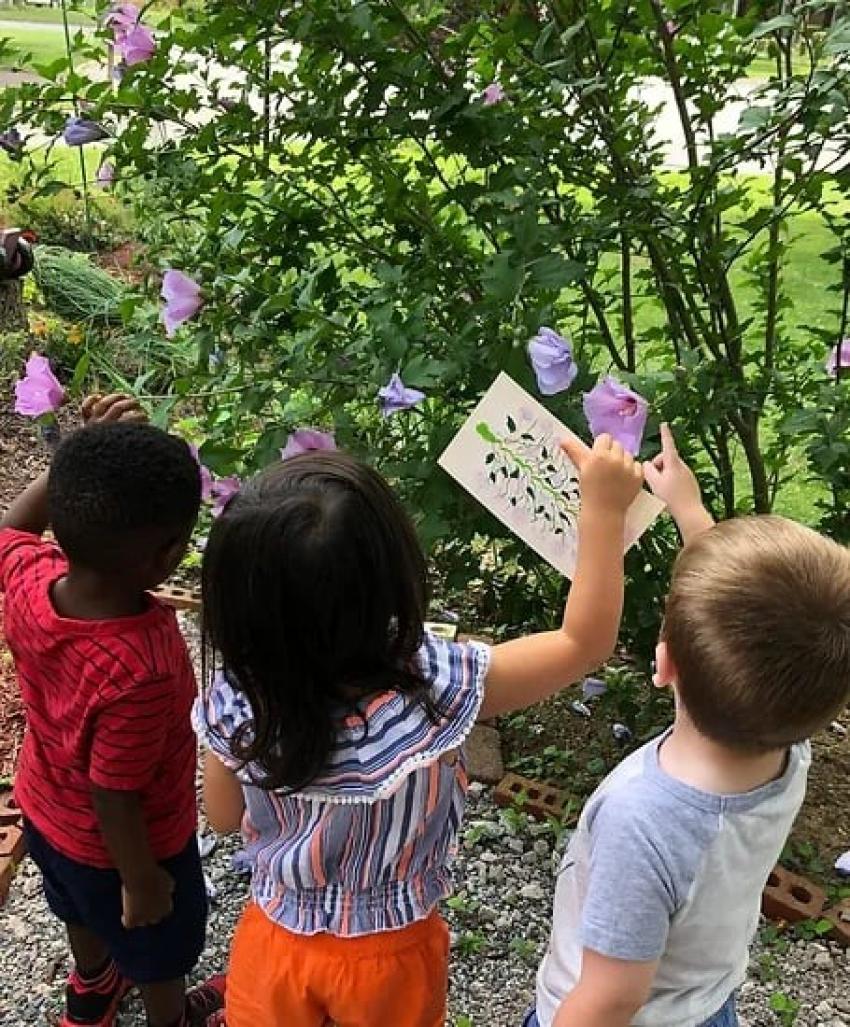
Curiosity drives children to explore, question, and imagine. It keeps them wide-eyed at the smallest discoveries — a shadow on the wall, a sound they can’t quite name. In every classroom, curiosity becomes the quiet spark that shapes how children see the world. The teachers at Preschool Ellicott City know this instinctively. They spend their days nurturing curiosity, not by controlling it but by guiding it through discovery, play, and those unexpected moments when learning happens.
Every activity, story, and conversation, in turn, helps children feel capable and excited about learning. One can almost see the transformation that occurs when a child understands that their idea holds significance. The goal is straightforward: to help them perceive learning as a joyful experience, one that is brimming with wonder. In the right environment, curiosity doesn’t fade; instead, it deepens, grows roots, and ultimately becomes part of who they are.
Creating Spaces That Invite Discovery: Preschool Ellicott City
Every corner of a preschool classroom can invite curiosity, especially when it’s set up with care. Teachers consider color, texture, and light; indeed, all the small details that encourage children to reach out and explore. Materials aren’t locked away; they’re within reach, eagerly waiting for small hands to choose them. Every shelf and every nook holds intention.
Some classrooms have:
- Low shelves filled with art supplies, books, and building materials
- Cozy reading corners with story baskets
- Science tables with magnifiers, plants, and stones
- Display walls where children’s work actually means something — not just decoration
Teachers change them often, following children’s interests. That’s how they keep learning alive — by keeping it real, responsive, and new daily.
Turning Daily Routines Into Learning Moments
In good classrooms, learning flows beyond the confines of lesson time. It’s everywhere — for instance, during snacks, while engaging in outdoor play, and also during cleanup. Teachers discuss shapes as they stack cups and talk about colors while sorting fruits. It’s subtle; however, it is also powerful. Those moments are when curiosity becomes part of life rather than just school.
Children notice how teachers react to the world. When teachers at the Child Care Center Ellicott City show genuine excitement over a new bug on the playground or a funny sound during storytime, kids catch that energy. It’s contagious. Every small exchange becomes a spark, and learning keeps rolling forward — even during handwashing or lining up to go outside.
The Magic of Storytelling
Storytime is one of those quiet moments that always feels special. It’s not just about books; it’s about connection. When a teacher reads with expression, children don’t just listen — they imagine, predict, and feel. They start to ask questions, to wonder what happens next.
If you are searching on Google for preschool for toddlers near me, qualified teachers are available to create safe and inspiring environments for your little one. And sometimes, the best stories come from the children themselves. Teachers let them lead, turning a simple thought into a shared narrative. It teaches them that their voice matters and that imagination counts as learning. You can almost feel their curiosity stretch wider as they realize a story can start anywhere — even from their own words.
Asking the Right Kind of Questions
Rather than providing answers immediately, teachers frequently pose questions that invite exploration, such as, “What do you think will happen?” or “Tell me about your picture.” It’s not merely about being vague; instead, it’s about allowing children to think out loud, make guesses, and explore their ideas.
This, in turn, builds confidence, effective communication, and independence. Furthermore, it teaches them that there isn’t always just one right answer. Curiosity naturally expands in that space between what they know and what they’re striving to understand.
Learning Through Play
Play is where curiosity breathes easiest. It’s where learning feels natural. Teachers at preschool Ellicott City use structured and free play to teach — sometimes with blocks, sometimes with pretend kitchens, sometimes just by watching how children build or role-play together.
Type of Play
Learning Focus Example Activity
Constructive Problem-solving, teamwork
Building towers or bridges Dramatic
Creativity, social skills Pretend family or shop play
Sensory Focus, observation
Sand, water, or texture bins Outdoor
Physical growth, exploration Gardening or nature walks
Play lets children test ideas and see cause and effect on their own terms. It’s messy, unpredictable, and deeply educational — the best kind of learning.
Valuing Effort Over Perfection
Curiosity doesn’t survive well under pressure. It needs room for mistakes. Teachers at the child care center Ellicott City know this, so they praise effort instead of perfect results. “You worked hard on that puzzle.” “You found your own way to fix it.”
That kind of feedback teaches resilience. It keeps curiosity alive even when things don’t go smoothly. Over time, children start to see learning as something that happens through mistakes — not despite them.
Guiding Without Controlling
Teaching isn’t about directing every step. It’s about offering guidance while letting children wander — safely. Teachers at preschool Ellicott City strike a quiet balance between structure and freedom, between “let’s see what happens” and “let’s stay focused.” It’s an art, really. That balance teaches children independence while keeping them grounded. Curiosity needs both: freedom to explore and support to return to when things get overwhelming.
Lifelong Curiosity
One of the most remarkable aspects of curiosity is that it remains once it takes root. Children who learn to ask questions and explore naturally continue this behavior as they grow older; consequently, they discover new things to wonder about. Each story told, each experiment tried, and each little success celebrated contributes to shaping that lifelong mindset. While teachers may not witness the story's conclusion, they certainly understand that they play a crucial role in its inception. Curiosity — that spark — is a guiding force in navigating life.
In Closing
In early education, teaching curiosity is not just about method but fundamentally about heart. It’s in the way teachers listen; additionally, it’s in the way they arrange a shelf. Moreover, it’s in the way they celebrate a small “aha” moment. Ultimately, every part of it comes down to helping children feel that learning is an adventure worth taking.
At Art of Learning LLC, that belief shapes everything — from the classroom setup to the teachers who guide with patience and purpose. Each day becomes a chance to grow curiosity into confidence, and confidence into a lifelong love of learning.