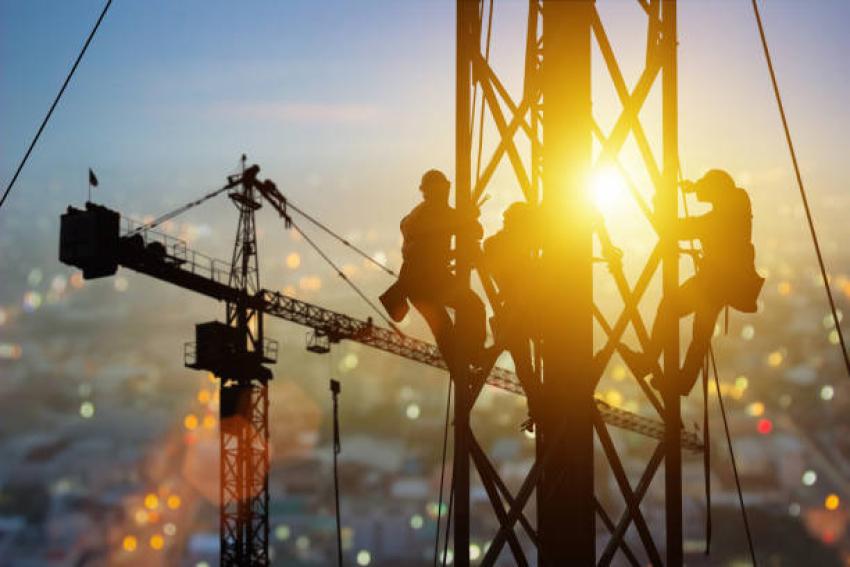
Earthquakes can happen suddenly. They shake buildings, crack walls, and even change lives. Yet, when we plan right, we can protect homes, offices, and lives. Every strong building begins with smart planning and care. That’s why commercial building contractors in Phoenix AZ work with one big goal — to make structures safe, strong, and ready for anything.
In this blog, let’s explore how experts plan, design, and build with earthquake resilience in mind. You’ll learn what steps they take, what materials they choose, and why every small detail matters. Together, we’ll see how thoughtful design keeps people safe even when the ground shakes.
Understanding the Role of Commercial Building Contractors in Phoenix AZ
First, let’s talk about what Commercial Building Contractors actually do. They plan, design, and build large structures like schools, offices, and hospitals. Since Arizona feels small quakes too, safety becomes a top concern. Contractors begin with research. They study the soil, the weather, and the local rules. Then, they create designs that meet safety codes. Because every project is different, they adapt plans to match each site.
“Strong foundations come from smart planning and steady hands.”
Contractors also use tools to test how a building will react to a quake. Through models and software, they see what could break or move. This helps them fix weak points early, saving lives and costs later.
Why Earthquake Planning Starts Before Construction
Before any work begins, contractors spend weeks planning. And that’s for a good reason. Earthquake safety doesn’t start with bricks — it starts with blueprints.
They look at:
- Soil condition — Soft soil can shake more than solid ground.
- Building height — Tall buildings need extra flexibility.
- Local faults — Areas near fault lines need stronger foundations.
Since earthquakes come without warning, every step before construction counts, so, planners choose materials, layouts, and structures that can move safely without falling apart.
The Science Behind Earthquake-Resilient Design
Every earthquake sends waves through the ground. These waves can twist, shake, or bend a building. That’s why engineers design structures that can bend but not break. Commercial building contractors in Phoenix AZ use these smart methods to make buildings stronger and safer.
Here’s how they do it:
- Flexible frames — Steel and reinforced concrete bend slightly instead of cracking.
- Base isolators — Rubber pads or sliding systems let buildings move gently with the ground.
- Cross bracing — Diagonal beams add strength to walls and frames.
Because of science and design, today’s buildings can handle more movement. With testing and modern tools, contractors make sure every structure stays safe during shocks.
Choosing the Right Materials for Safety and Strength
Not every material is equal during a quake. So, builders pick materials that can handle stress. They use steel, reinforced concrete, and lightweight panels that absorb shock. These materials can move with the ground instead of snapping apart. Also, modern materials are tested for strength. That means they can handle sudden pressure and still stand tall. Builders also use special joints that stretch slightly during movement.
“The right materials don’t fight nature — they move with it.”
When every beam, bolt, and column works together, the building becomes one strong, flexible system.
Step-by-Step Planning for Earthquake Resilience
Contractors follow careful steps to make each project earthquake-safe. These steps ensure no detail gets missed.
Here’s the process they follow:
- Site Study – They check the soil and nearby structures.
- Design Phase – Engineers create models to test building reactions.
- Material Selection – They pick flexible, strong materials.
- Construction Monitoring – Supervisors check every step.
- Safety Testing – They use sensors and data to confirm strength.
Each step links to the next, so the whole process flows smoothly. Because when one stage fails, the rest can’t stand strong.
Modern Technology in Earthquake Planning
Technology plays a huge role in today’s construction. Commercial building contractors in Phoenix AZ use computers, 3D models, and simulation software to see how a quake might affect a design. With these tools, they can fix problems before building starts.
For example:
- Digital sensors help detect weak spots early.
- 3D mapping shows how forces move through walls.
- Virtual testing helps predict quake impact.
Because of these tools, contractors save time and prevent mistakes. The result is safer buildings that last longer and protect more lives.
Regular Inspection and Maintenance Matter
Even the best-built structure needs care. Commercial building contractors in Phoenix AZ plan regular inspections to find cracks, rust, or wear. Small problems can grow big if ignored, especially after an earthquake.
During maintenance, teams:
- Check beams and joints.
- Repair cracks and loose bolts.
- Test sensors and alarms.
With routine checks, buildings stay ready for future quakes. Because safety is not just about building once — it’s about caring forever.
Facts About Earthquake Safety You Should Know
Let’s look at some quick facts that remind us why earthquake planning matters:
Fact
Detail
1 - Buildings cause 75% of earthquake deaths when they collapse.
2 - Modern designs can cut quake damage by up to 60%.
3 - Reinforced concrete and steel can bend 2–3 inches without cracking.
4 - Regular inspection doubles a building’s lifespan.
These facts show how planning and design save lives. When builders care about safety, whole communities stay safer.
Let’s Build Safer Spaces
Now is the time to make a difference. You can help create safe, earthquake-ready spaces that protect people you care about. At Chavez Construction & Remodeling LLC, every project starts with care, trust, and a promise of safety. Their team believes that smart design saves lives. So, whether you’re building new or improving old spaces, take that step today — because together, we can build a stronger tomorrow.