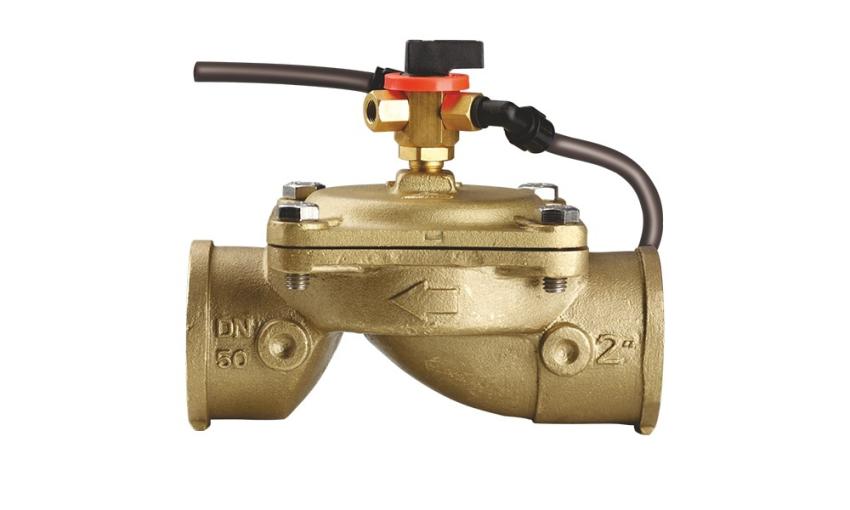
Every irrigation system needs something that keeps the water in check. That's the job of the hydraulic control valve. It is the part that listens to pressure changes, opens or closes when needed, and makes sure water reaches each section of the farm just as it should- not too much, not too little.
Now, because it works around the clock, a valve needs a bit of care. Dust, minerals, or even slight wear on the inside can slow it down. And when that happens, the system starts losing balance
That’s why maintenance of the valve is required to keep precision alive. When a hydraulic valve runs clean and smooth, the entire irrigation setup performs better, saves water, and lasts longer.
Understanding the Basics
A hydraulic valve runs on water pressure. It opens or closes automatically depending on the control signals it gets. Inside, a diaphragm and spring mechanism respond to that pressure. When everything’s clean and free-moving, the valve reacts instantly.
It’s commonly used in greenhouses, turf systems, and field irrigation setups, basically anywhere you need water to move with precision.
You’ll often see a flow control valve working right beside it. The flow valve takes care of how quickly the water moves, while the hydraulic one decides where it should go and when. When both are set up properly, the whole irrigation system runs smoothly, giving an even spread of water across the field.
But since these valves deal with real-world water and not perfectly clean lab water, sediment and minerals can slowly build up inside. That’s where regular maintenance comes in.
Why Maintenance Matters ?
Farmers usually notice a valve problem only when something else goes wrong, like when a pump starts overworking, water pressure drops, or a patch of crops looks different from the rest. The truth is, those issues often start small.
A tiny bit of grit can keep the valve from sealing completely. A worn washer can let water leak slowly. One season later, that small issue has turned into wasted water, uneven irrigation, or even a full replacement job.
Keeping an eye on it every few months saves both time and cost. Think of it as preventive health for your irrigation system.
Simple Maintenance Steps
1. Clean it once in a while
Before you start, turn off the water. Open the valve cover and just rinse the inside with clean water. If there’s mud or fine dirt stuck inside, use a soft brush and gently clear it out. Don’t scrape it with metal tools since that can leave small marks that later turn into leaks.
2. Check the rubber parts
A few rubber parts inside the valve, keep everything watertight. With constant use, they tend to lose their flexibility and develop small cracks. If they look worn, changing them will save a lot of trouble later.
3. Watch for white or green deposits
Hard water can leave some whitish or green marks inside after a few months. It’s just minerals building up. A quick soak in a mild cleaning solution will clear it up.
4. See how it’s moving
Once everything’s clean, turn the water back on slowly and just watch the valve. It should open smoothly and close without dripping. If you see it hesitate or hear it rattle a bit, that’s a clue something’s still inside that shouldn’t be. Give it another rinse and test it again until it feels right.
5. Look for the arrow
Every valve has a small arrow on the body showing the right direction of water flow. It’s easy to miss when you’re in a hurry, but always take a second to check it. If it’s fitted the wrong way, pressure builds up in the wrong spot, and you’ll start seeing uneven flow across the system.
6. Pay attention to pressure
After you’ve used your irrigation setup for a while, you’ll get a feel for what normal pressure looks and sounds like. If one day the water feels weaker or seems to be pushing harder than usual, don’t shrug it off. Take care of small issues when you spot them because it is easier than dealing with a full breakdown later.
Common Problems and Quick Fixes
Even a well-kept valve can act up once in a while. Most of the time, the issue isn’t big and just needs a little attention.
1. The valve won’t open or close properly
This kind of thing usually happens when something’s blocking the line. A bit of dirt or grit is enough to stop it from responding. Disconnect the line, flush it with clean water, and make sure it isn’t twisted or bent before putting it back.
2. Water is leaking around the lid
That’s often just an old or damaged O-ring. Swap it out for a new one and tighten the bolts gently in a crisscross pattern so the seal sits evenly. Don’t force it too tight as that can damage the threads.
3. The pressure suddenly drops
If the water isn’t coming through like it normally does, there’s a good chance the diaphragm has worn out a bit. Take it out and give it a look. Sometimes you’ll spot a small tear or crack that’s letting pressure escape. Swapping it with a new one usually sorts things out quickly, and the system goes back to running smooth again.
4. One side of the field isn’t getting enough water
Uneven watering can mean the spring or valve seat is wearing out. Give them a look and clean off any mineral buildup. If they look dull or uneven, replacing them will help restore even distribution.
Practical Tips That Go a Long Way
Flush the lines often. Even fine filters can’t catch everything. Flushing helps clear silt and sand.
Avoid heavy grease. If lubrication is needed, use light, water-safe products.
Keep it shaded. Heat and sunlight can dry out rubber seals faster.
Replace parts in pairs. If you change one seal or diaphragm, change its partner too.
Check compatibility. Make sure your valve works with your existing irrigation controller or timer.
Built for the Long Run
Automat’s Bronze Hydraulic Control Valve proves that a good design doesn’t need to be complicated. With only four main parts, it’s easy to maintain and less likely to give trouble. The brass body doesn’t rust easily, and the rubber lid stays steady even when the pressure goes up.
Many farmers who use it say the best part is that it just keeps going. Once fitted properly, it doesn’t ask for much attention. A simple check once in a while is enough to make sure it’s doing its job right.
Automat has been working with irrigation systems for decades and understands how differently water behaves from one region to another. That’s why their valves are built to handle real farm conditions, whether it’s a small greenhouse or a large open field. They’re built to last through seasons, and farmers don’t have to keep worrying about them.
Wrapping It Up
A hydraulic control valve looks too simple, but it decides how smoothly water travels through the system. When it’s cared for properly, the entire setup works better, and the fields stay evenly watered.