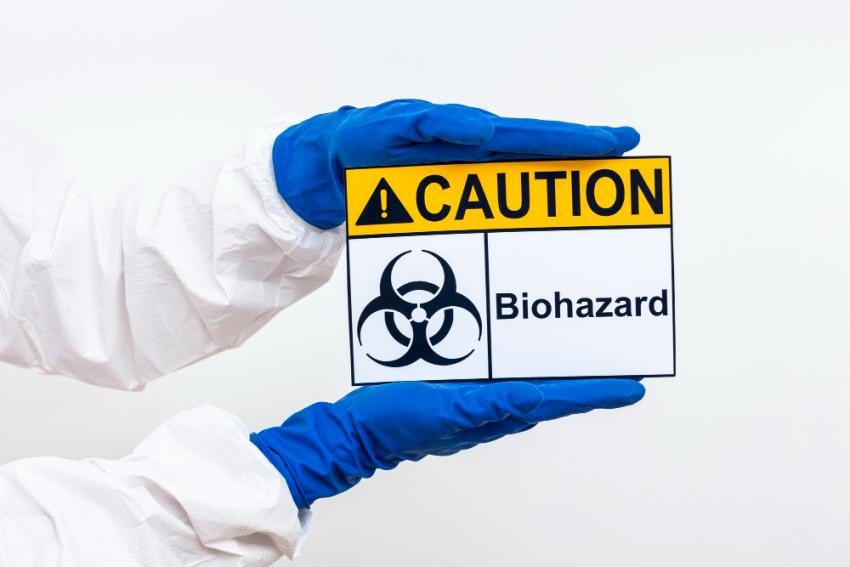
All workplaces consist of chemicals that people use for cleaning, manufacturing, constructing and researching. Depending on the purpose, you may have to handle different kinds of chemicals in either small or large quantities.
Chemicals are essential; however, they pose a greater risk to people and property if they are not handled properly. Any mistake in carrying or using the chemical will lead to disastrous results that cost you property and life loss. You will also have to pay heavy legal obligations and penalties, and defamation of your brand or company.
To protect your workplace from hazardous chemicals, you have to know how the handle chemicals. This blog will outline why hazardous chemical labels are necessary and how they protect your workplace.
Why chemical labels matter:
You have to see chemical labels as life-saving information. They are more than compliance tools and stand as great communication tools.
If the chemical label is a hazard, it means the substance is either toxic or flammable. You should avoid touching it with your bare hands and smelling without protection. Some labels are precautionary that say how to handle them while storing and disposing. There are also labels that tell what to do in case of spills, exposure or accidents.
Chemical labels are designed in a way that they are understood at a global level. No matter where you go in the world, you can see these chemical labels representing the same meaning.
A chemical label typically consists of a product identifier (name of the substance), signal word (danger or warning), hazard statement (for instance, ‘causes skin irritation’), and precautionary statement (instructions for safe handling). The label also consists of supplier information and pictograms that are easily recognisable symbols.
How they protect workplaces:
While chemical labels seem basic, they are great tools in communicating necessary information while handling chemicals and emergencies.
They help in preventing accidents as workers know how to handle them properly by reading the symbol. Even if there are any accidents, workers will know how to handle them to minimise the risk by taking proper action.
Your company will be in legal compliance with occupational health and safety regulations. Every worker will act rightly in case of emergencies, saving both people and property. Chemical labels also act as practical tools for safety education. Hazardous chemical signs are mandatory in every workplace as part of building protection and employee welfare.
How to make use of chemical labels:
Always understand that you have to read the instructions and warnings on the labels before you touch or smell the chemical. You can protect yourself by allocating a few minutes to understand what’s written on the label.
Always ensure that the labels are clearly visible and instructions are readable. If the labels are worn out, replace them with new ones.
Ensure that you are storing labels in the way that’s mentioned on the labels. When you hire employees, ensure they are trained properly in understanding the symbols.
No label should be removed or altered at any cost. Regular inspections should be conducted to ensure the labels remain intact. Proper supervision is essential to ensure the welfare of your workplace and to protect workers who work under constant exposure to various chemicals.