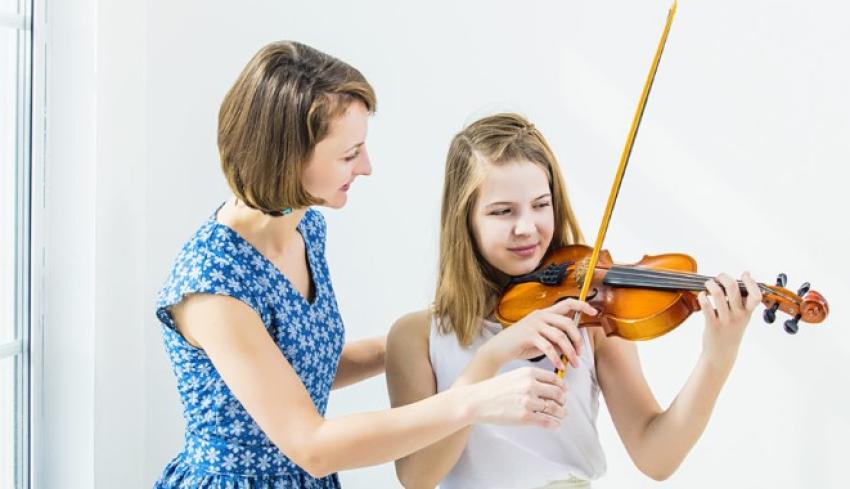
Younger age learning can shape a child’s focus with discipline or creativity. Parents wonder how to support their child in the world of music. Violin lessons open a way to filled with challenges that offer exciting rewards. When parents prepare well for their children step into this path with courage. Knowing about readiness with instruments to practice makes the road smoother. With steady guidance, children discover joy in music and grow skills that brighten their lives for years.
The Right Time to Start
Every child grows in their own rhythm. Some leap into music early, while others need more days to bloom. Parents should watch for signs of focus and curiosity before guiding the first step.
Age Versus Readiness
Children grow at different speeds; therefore so age matters less than readiness. Look for signs of focus or patience too interest. Some children start at four and enjoy it whenever, while others prefer to begin later. Readiness often depends on a child’s ability to follow guidance and stay engaged.
Key Points for Parents
Young children can begin if they show steady concentration.
Older beginners may progress faster due to stronger coordination.
Attitude and curiosity matter more than age alone.
Instruments for Starters
The first instrument shapes the whole path. A child must grip one that feels light and steady. The right choice of violin lessons for beginners sparks comfort and stirs boldness from the beginning.
Getting the Right Size
A child’s first violin must fit their body. If the instrument is too large, posture suffers, and progress slows. Teachers often measure the child’s arm to recommend the right size. Comfort through a well-fitting instrument.
Checklist for Parents
Correct sizing based on arm length
Light bow suited to the child’s strength
A chin rest that supports posture
Why Quality Matters
Many parents debate whether to buy or rent. Renting lets families trade up as the child grows, while buying secures long-term use. Whatever path you choose, keep the instrument tuned and sturdy. Weak violins drain joy from beginners and block progress.
Building the Home Environment
Music doesn’t pause after class ends. Children thrive when they carve out a quiet corner to practise without noise or clutter. A calm space fuels steady growth.
Creating Space for Practice
Children need a quiet spot to play without distraction. A calm corner with a chair, a stand, and good lighting helps them concentrate. Making practice part of the routine turns it into a natural habit rather than a chore.
Helpful Practices
Set aside 10–15 minutes daily.
Praise effort, not just results
Keep distractions, like screens, away.
Parent Involvement
Parents often guide practice in the early stages. Encouragement makes children more willing to play and less likely to give up. Sitting nearby while they practise, even if you don’t play an instrument, shows support.
The Teacher’s Role
A teacher does more than point to notes. They ignite, steer, and nurture a child’s love for music. Choosing the right guide changes the journey.
Teaching Styles to Watch For
A teacher shapes the student’s experience. Some emphasise technique, while others focus on enjoyment and creativity. Violin lessons for beginners matter, but a balance helps children stay motivated and disciplined.
Questions to Ask a Teacher
Do you encourage creativity along with structure?
How do you guide students through mistakes?
What kind of music do you introduce first?
Bond Between Teacher and Parent
Clear talks with the teacher guide parents on what to strengthen at home. Progress notes, practice hints, and feedback weave a strong learning circle between class and home time.
The Commitment Factor
Music demands more than a weekly lesson. It calls parents and children to pour in time, energy, and patience. Steady effort forges real progress.
Time and Patience
Learning the violin takes months of steady effort before progress becomes clear. Parents should expect ups and downs. Children often struggle with early sounds and may feel discouraged, but encouragement helps them push through.
Things to Keep in Mind
Lessons always need follow-up practice at home.
Parent involvement boosts consistency.
Visible progress takes months, not weeks.
Benefits Beyond Music
Music teaches lessons that stretch past the strings. Children build grit, courage, and confidence that spill into school and daily life. The rewards echo far beyond sound.
Discipline and Patience
Learning the violin builds focus and discipline. Daily practice trains children to set goals and stick with them. Over time, these skills transfer into other parts of life, like schoolwork and sports.
Emotional Growth
Music allows children to express emotions in a safe, creative way. Playing builds confidence, especially when they perform for family or at school. Each stage of growth brings pride and resilience.
Challenges That Parents Face
The path carries hurdles. Children may dodge practice or grow upset with mistakes. Parents who stay calm and cheer their child forward help them climb over struggles.
Resistance to Practice
Children may resist daily routines. Instead of forcing practice, keep sessions short and upbeat. Linking practice to a set time, like after homework, helps form habits.
Handling Frustration
The violin demands precision, and mistakes can feel discouraging. Parents can remind children that errors are part of learning. Gentle support during tough days makes the journey smoother.
Finding the Balance
Some parents choose a mix of both. Group lessons build social skills, while private sessions strengthen technique.
How Long Should Children Practise
Practice needs balance to bloom. Too little slows growth, while too much drains energy. Short, steady sessions carve skills without strain.
Short Sessions Work Best
Beginners progress with short, steady sessions. Ten minutes daily works better than an hour once a week. Regular practice builds muscle memory and keeps motivation alive.
Signs of Effective Practice
Children remember teacher instructions.
Playing becomes smoother each week.
They start picking up songs more quickly
Final Thought
Parents who walk beside their child in music build a strong base for growth beyond the violin. Patience, discipline, and courage grow slowly, yet steady steps bring lasting rewards. Violin lessons stretch both parent and child, but the shared climb strengthens family bonds. With praise, a caring teacher, and a clear routine, children earn more than musical skills—they learn grit and self-expression. Families who commit unlock a journey full of meaning and joy