Within the rarefied world of horology, where Rolex, Omega, or Patek Philippe often set the agenda, a very interesting thought comes to the discerning enthusiast: where does this independent Swiss brand fit in? For someone who stares at the luxury giants, Maurice Lacroix becomes an interesting case study in value, innovation, and unique identity. While the heritage giants thrive on centuries of history, the brand charted its own path and proved itself as a serious manufacturer with direct independence. Then this article explains how it holds its own amongst other luxury watch brands, taking a dive into the all-important pillars of craftsmanship, innovation, design, and perhaps most importantly, value proposition. The study of this comparison is crucial to appreciating what makes the manufacturer worthy of any collector's time and effort.
Establishing the Playing Field: Maurice Lacroix vs. The Hierarchy of Watchmaking
So before a fair comparison of the brand can be made, let us acknowledge the established tiers of luxury watch brands. Sitting right on top is the "holy trinity" of Patek Philippe, Audemars Piguet, and Vacheron Constantin, all brands revered for their dizzying complications and unparalleled finishing. In the upper tier, you get some icons like Rolex and Omega, which can be called great brands for their marketing ability, robustness, and historical prestige. A lively segment that is often referred to as "affordable luxury" or "independent-minded brands"—and that is precisely where this watchmaker has strategically placed itself. Competing here with TAG Heuer, Longines, and Oris, the brand, however, often sets itself apart in offering the highest level of in-house manufacturing and avant-garde designs against many of its direct competitors beyond its weight class.
The Heart of the Matter: In-House Movement Development
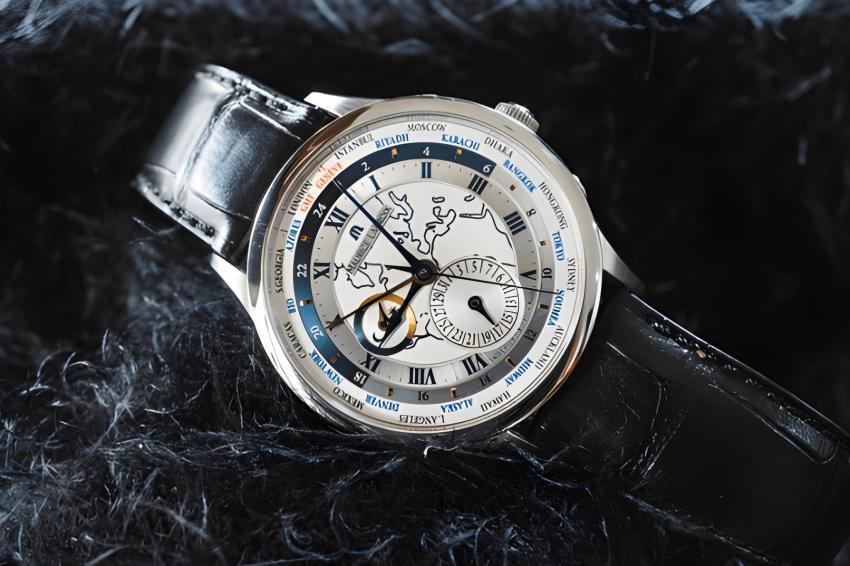
One of the significant factors differentiating a clockmaker from a mere clock assembler comprises the movement or caliber of its own. Many brands in this price range tend to rely on movements modified from major suppliers such as ETA or Sellita, while this manufacturer has invested a fortune in developing its own calibers. For example, the Masterpiece collection is an exhibition for complex in-house calibers with details like retrograde hands, power reserve indicators, and painstaking finishing. Such a commitment to in-house development is certainly a characteristic it has in common with the likes of Jaeger-LeCoultre or Glashütte Original, but the price point at which it operates provides a very high degree of accessibility. It is a very clear statement that this company is not just content with making beautiful watches; it is devoted to the art of the trade of watchmaking itself.
Design Language: Bold, Contemporary, and Unapologetic
Movement technology is the soul of a watch; design is its personality. This is a further trend in which the brand diverges from the old design traditions in a more contemporary direction. While Rolex and Omega do variations on designs that have become classic by virtue of being good, this maker hikes the line between modern and architectural classiness. The distinct Aikon line sets itself apart from a Royal Oak or Nautilus look-alike, offering modern charm for far fewer bucks and with better availability. The Pontos collection leans into a sporty-elegance paradigm that feels at once both highly refined and very dynamic. A design-oriented approach also means that one of its watches often makes more of a stylistic statement on the wrist, appealing to the kind of people wanting something that is unmistakably luxury but different from the common options.
The Value Proposition: Exceptional Craftsmanship Without the Exorbitant Markup
Perhaps the most convincing and strong argument for the brand has to remain wrapped around the value-for-money ratio. A swath of the purchase price for a watch from a mega-brand goes to decades—sometimes centuries' worth—of marketing, sponsorship, and brand prestige. This one, still a reputable name, plays by a different set of rules. Instead of investing in astronomical advertising budgets, investment goes to research and development and quality materials. This means that often, you are getting a timepiece with an extra level of finishing, innovative features, and in-house technology either at a price comparable to or much lower than a competitor with a generic base movement. It's an argument for a buyer who knows better and puts horological substance above appearance.
Brand Perception and Exclusivity
There's no denying that Rolex or Omega brings about instant recognition amongst the general populace, a formidable asset. On the flip side, however, ubiquitous fame does have its own drawbacks: long waitlists and a saturated market. An independent-house timepiece offers its own form of luxuriousness, an exclusivity factor: one's watch is unlikely to be seen gracing anyone else's wrist across the aisle of a restaurant. For many collectors, this sense of being special or idiosyncratic provides a large appeal. To wear such a watch reflects confidence and an understanding of watchmaking, suggesting that the owner bought the piece because of its intrinsic worth and not solely because of the logo!
The Verdict: A Confident Choice for the Discerning Enthusiast
So, then, how does it fare? It may not have the 100-year legacy of a Patek Philippe, nor the immediate recognition of a Rolex. But therein lies its strength. The manufacturer has confidently positioned itself as an innovator and a price leader. It offers the technical welcome of in-house movements, the brashness of more modernistic design, and the cleverness of fine craftsmanship at accessible prices. It is a brand for those who have done their homework, appreciate mechanical ingenuity, and wish to wear something that complements their more personal and modern taste. In an arena that is mostly traditional, Maurice Lacroix stands apart as a bright and confident alternative, proving that true luxury transcends names—it implies good design, innovation, and character.