Protecting your boat isn’t just about keeping it clean, but it’s also about preserving its value, appearance, and performance for the long haul. A high-quality cover is the first line of defense against sun damage, rain, dirt, and mildew. But when you start shopping, you’ll quickly see two main options: breathable covers and waterproof covers.
When it comes to choosing between these two options, it can feel a little tricky, especially when each promises to keep your boat safe. To make it easy for you, we have clarified the difference, so you can pick the cover that actually suits your needs.
Why the Right Boat Cover Matters
A purchase of a boat is not a small investment. Leaving it uncovered, even for a short time, exposes it to fading, cracking, and moisture damage. UV rays can dull your gel coat, rainwater can sneak into seams, and trapped humidity can invite mildew to settle in. However, a good cover protects your boat from all of this. But not all covers work the same way. Some prioritize airflow, while others focus on creating a barrier against water. If you know the difference, you directly avoid costly repairs and enjoy more time on the water.
What Breathable Boat Covers Offer
Breathable covers are designed in a way that they allow air to circulate beneath the fabric. That airflow is their biggest strength. When moisture sneaks in, maybe from a passing shower or residual dampness on the deck, a breathable cover helps that moisture escape instead of letting it sit and cause mildew or musty smells.
They come in handy, particularly during the warm or humid weather when the growth of mildew is recurrent. And they are also a good idea when storing long-term in a dry environment since they do not require condensation to build up and, therefore, do not seal in the heat. Light breathable covers are easy to carry and manage, so they can be convenient in case you are covering and uncovering your boat frequently.
However, keep in mind that breathable doesn’t always mean fully water-resistant. In heavy or prolonged rain, some moisture might seep through. If you live in an area with regular downpours or you store your boat outside year-round, this can become a problem.
The Strengths of Waterproof Boat Covers
Waterproof covers create a solid shield against rain, splashes, and snow. If your boat spends a lot of time outdoors or you deal with unpredictable weather, a waterproof cover can keep it dry and safe. These covers are usually heavier and more durable, with tightly sealed seams and reinforced fabric that resists tearing.
They’re a go-to choice for boaters who deal with heavy rainfall or store their boats near the coast, where salty mist and storms are very common. Because they’re built to repel water completely, they prevent pooling and protect upholstery, electronics, and wood finishes from moisture damage.
But there’s a trade-off. Waterproof covers can trap humidity underneath if any moisture gets in during covering or from temperature changes. Without ventilation, that trapped moisture can create mildew or leave your boat smelling musty.
How to Decide What Works for You
To choose between breathable and waterproof covers isn’t about picking the “best” one, but it’s about matching the cover to how and where you store your boat. Start with your climate. Do you live somewhere humid but not prone to torrential rains? A breathable cover may be enough to keep mildew away. Do you get frequent storms or store your boat outside through winter? A waterproof cover offers more peace of mind.
Also, think about storage duration. If you’re pulling the boat out every few days during summer, a lighter, breathable cover makes life easier. For seasonal or long-term storage, a sturdy waterproof model can handle harsher conditions.
Combining Breathability and Water Resistance
There are good covers with both advantages combined. They have superior materials that resist rain and still allow air to pass through them. Most of them even have inbuilt vents to get rid of the trapped humidity. These hybrid products can be considered by boaters who want the protection of both types.
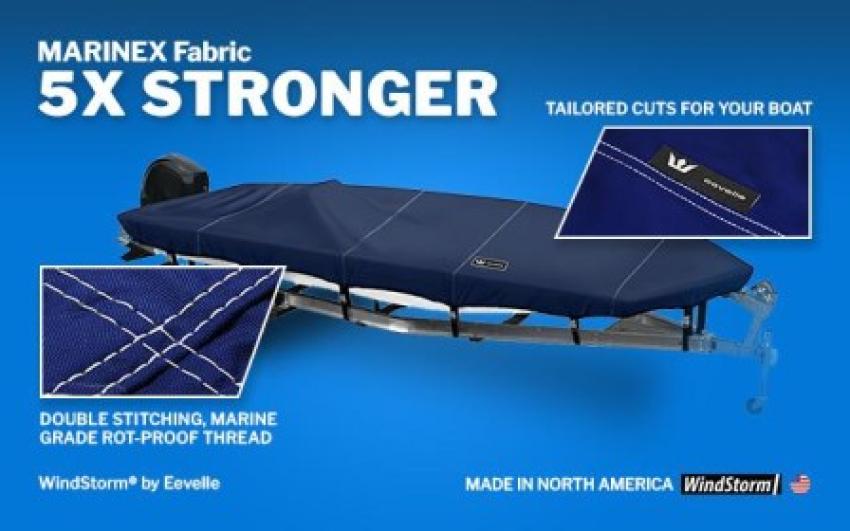
As an example, you can find covers that are made of polyester of marine grade and have double-stitched seams and a stretchy hemline that fits well. These materials are resistant to UV damage, withstand harsh weather, and yet can allow some air to flow through to prevent mildew. The selection of such a cover helps you avoid the need to decide on what to do with airflow or with water protection.
Key Features to Look For in Any Boat Cover
Fit: A proper fit prevents water pooling and flapping in the wind. Look for adjustable straps or elastic hems for a tailored feel.
Fabric Quality: Marine-grade Polyester or Acrylic fabrics have a longer life span and can resist fading compared to other low-priced fabrics.
UV Protection: The sunlight can weaken a cloth. UV-treated covers secure your boat and the cover.
Ventilation: There is a built-in vent or mesh paneling, which reduces collected moisture even on waterproofs.
Secure Fastening: Straps, buckles, or a drawcord hem prevent the cover from coming loose during wind or transport.
Practical Tips for Using Your Boat Cover
Even the finest cover will not work well when it is not used in a proper manner. Always dry your boat completely before covering so as not to trap the water. Test any sharp edges or protrusions that may rip the fabric. When you do not have built-in vents in your cover, you can add a support pole or vent system to enhance the circulation of air and avoid the stagnation of water.
It is also prudent to check routinely on your cover in case there is any wear. Even a tiny tear or a loose seam can soon result in a larger issue when neglected. The cover can also be preserved longer by storing it in a proper and neat way when not in use, and then folded and stored somewhere dry.
Key Takeaways
Your boat is meant to be preserved according to your environment and lifestyle. Breathable covers are bright in the humid or warm environment where the primary threat is mildew, and waterproof covers are bright in the heavy rain, snow, or salty seashores. Hybrid covers provide a middle ground in case you do not want to compromise.
A few considerations now will save you the trouble and expense of time to come, and of walking into a clean, dry boat whenever you feel like going on the water. Always make a good selection, and your boat will remain in excellent condition for a number of seasons to come.