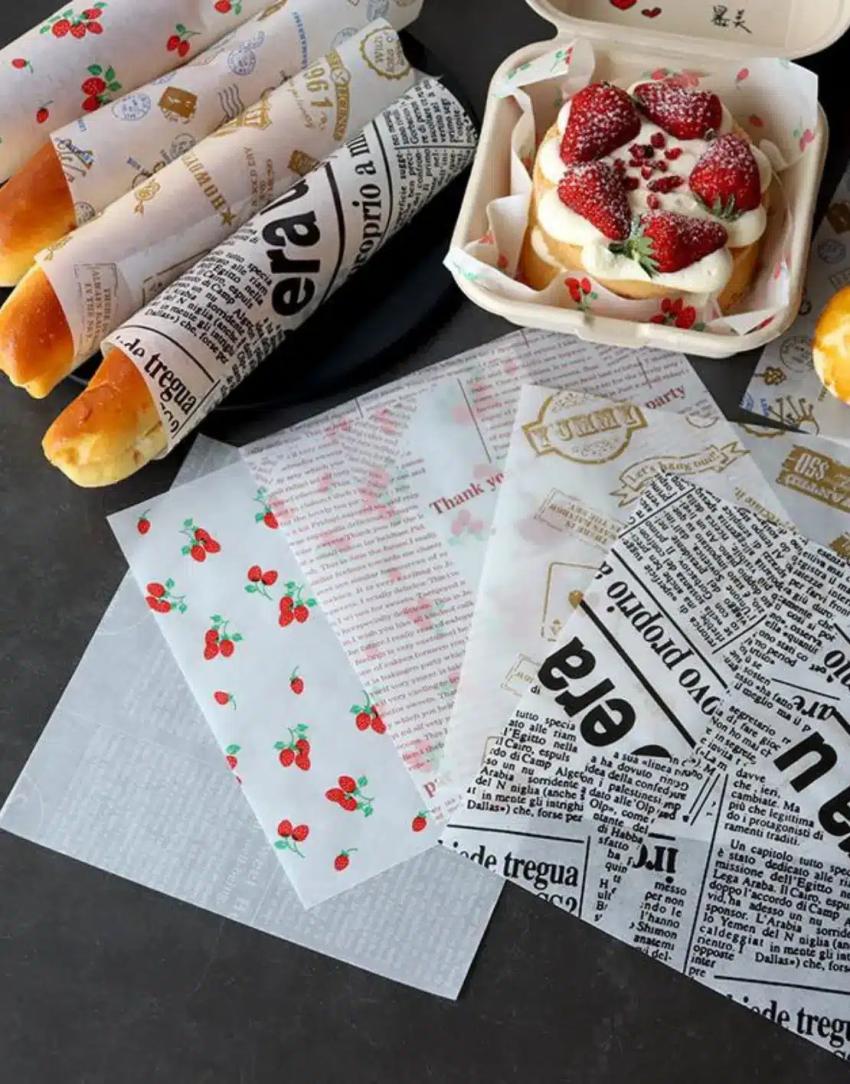
Keeping food fresh is a challenge for cafes, restaurants, and home kitchens. A bakery in New York noticed bread on display got soft within hours. The owner wanted a solution to keep bread fresh without changing taste or quality. Wrapping methods make a big difference. Some materials, like wax-coated sheets or food wraps, stop moisture, air, and bacteria from reaching food. Ordinary paper or plastic may let moisture in, making food soft or stale faster.
Wrapping works because it controls air and water. Foods like sandwiches, pastries, and fried items lose quality when air and water interact with them. Proper wrapping keeps crispy foods crisp and soft foods soft. For example, a cake wrapped in plain paper dries out faster than one wrapped in wax sheets. Small businesses often use materials that look good but do not keep food fresh long. Using custom paper from WaxPapersHub helps businesses wrap food efficiently while showing brand.
How Does Moisture Change Food?
Moisture affects food texture and taste. A fried snack left open becomes soft quickly. Moisture also helps bacteria grow. Wrapping that controls moisture slows down the process. Wax-coated sheets and coated wraps stop water from passing easily.
Foods like sandwiches and baked items stay fresh when wrapped properly. Water stays where it belongs. This stops sogginess and keeps flavor. Takeout restaurants face problems when food loses texture on the way to customers. Using custom printed wax paper protects food and can also include logos or designs. WaxPapersHub offers options for small businesses that protect food while keeping the brand visible.
Why Do Some Materials Work Better Than Others?
Plastic, aluminum, wax-lined sheets, and paper work in a different way. Plastic wrap keeps moisture in but does not allow food to breathe. This works for fruits and veggies, but can make the fried product soft. Aluminum foil maintains heat and moisture but does not prevent sticking. Wax-covered sheets prevent moisture even as allowing a little airflow, keeping sandwiches, pastries, and baked items in exact condition.
The right material depends on the food type. Bread needs moisture control but should stay soft. Chips need limited air to stay crisp. Some businesses try different materials to find the best option. Using custom wax paper from WaxPapersHub helps protect food and reduce waste.
How Does Temperature Affect Wrapping?
Temperature affects how wrapping works. Cold foods need wraps that stop condensation. Hot foods need wraps that let steam escape while keeping outside warm.
Delivery can be a challenge. Fries in normal paper lose crispiness, while wax-coated wraps keep them crisp longer. Wax sheets protect food from temperature changes. Custom paper from WaxPapersHub can fit different temperatures, helping businesses deliver food that tastes fresh.
How Does Air Affect Food Freshness?
Air causes food to go stale or spoil. Oxygen reaches bread, chips, or fried snacks and starts oxidation, changing taste and texture. Proper wrapping reduces air contact. Wax-coated sheets, greaseproof layers, or laminated wraps protect food.
Cafes and restaurants get complaints about stale food. Wrapping that reduces air keeps food fresh. Custom paper from WaxPapersHub provides protection while showing brand design. Air control is simple but affects freshness a lot.
Why Are Custom Wrapping Options Useful for Businesses?
Each business has different needs. Bakeries sell sandwiches, cakes, and cookies. Fast-food restaurants focus on fries and burgers. Standard wraps may not work long-term. Custom wraps fit specific food sizes and shapes.
Custom wraps also show brands. Neat and branded wrapping makes customers remember food. WaxPapersHub offers custom paper that protects food and shows brands. Wrapping becomes part of customer experience. A sandwich or pastry wrapped properly tells the customer that the business cares about quality.
How Does wrapping Change Customer Experience?
Customers judge food by taste and presentation. Food that stays intact reaches customers better. Wrong wrapping causes complaints, negative reviews, and waste. Businesses that use proper wrapping see improvement in satisfaction.
A sandwich shop in Chicago switched to coated sheets. Fewer complaints came about soggy sandwiches. Customers noticed freshness and returned more often. Custom paper from WaxPapersHub ensures food reaches customers in good condition. Wrapping is a small step with big results.
What Can Help Businesses Choose Right Wrapping?
Choosing wrapping needs understanding food type, storage, and delivery. Analyze how food loses freshness. Is moisture, air, or heat causing problems? Choose a wrap that solves the problem. Moist foods need moisture-resistant wraps. Hot foods need wraps that let steam escape.
Custom wraps are useful. Businesses can get custom paper for needs and add logos or designs. WaxPapersHub provides options of custom burger wrapping paper that protect food and show brands. Testing small batches helps. Small restaurants and startups can deliver food that feels fresh every time.
Summary
Certain wrapping methods hold food better because they manipulate moisture, air, and temperature across the food. Materials like wax-lined sheets and specialized food wraps prevent moisture from making food soggy while allowing some airflow to keep textures like crispiness intact. Ordinary paper or plastic may also absorb moisture or allow air in, causing food to become soft quickly. Proper wrapping also slows bacterial growth by limiting moisture. Custom wrapping from brands like WaxPapersHub gives businesses designed solutions that protect food exceptionally, even as showing branding. Using the proper wrap improves freshness, reduces waste, and complements purchaser's pleasure through handing over food that tastes as expected.