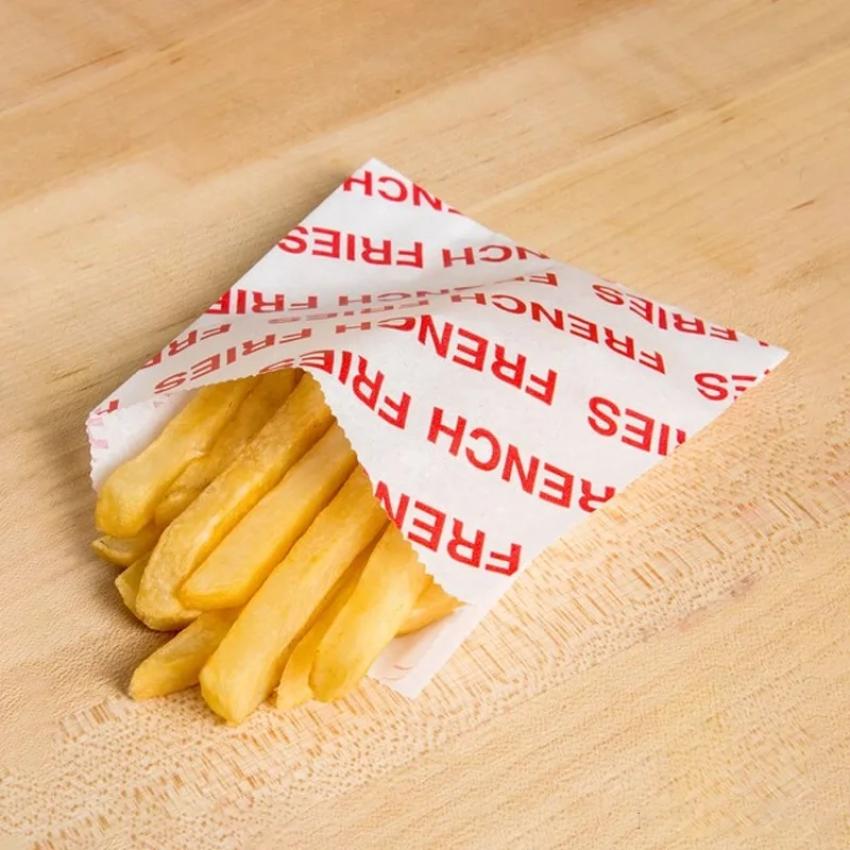
Fries in a plain tray look one way, fries wrapped in paper look another way. Customers usually choose wrapped fries because paper gives fries an organized shape. Fries wrapped in paper do not scatter or slide. A customer walking through a market, holding fries wrapped in paper, feels more control compared to fries in an open tray.
When someone buys fries, that person may share them with friends or carry fries while walking. Wrapped fries keep hands free from direct contact. Paper holds fries in one place and creates comfort during handling. That reason explains why wrapped fries gain quickly attention than loose fries.
How Does Wrapping Change the Eating Experience for Customers?
Eating fries without paper can lead to drops or greasy fingers. Fries wrapped in paper remove that problem. A customer walking in a park or riding in a car finds wrapped fries easier to manage. A person can hold fries with one hand while handling a bag or phone with the other hand. That makes eating fries feel smooth.
Restaurants and small stalls notice customer reaction. Many say customers comment on handling more than taste. Fries wrapped in paper create a memory of food that felt practical during eating. That memory encourages another purchase. In markets full of food stalls, a detail like wrapping separates one seller from another.
Why Do Wrapped Fries Look Fresher and Cleaner?
Fries in open trays appear exposed. Fries wrapped in paper look covered. Customers think covered food stays warm longer. Paper holds heat inside and delays fries from turning cold too soon.
Open fries often show grease marks on the tray. Wrapped fries hide marks, creating an impression of food prepared with care. For a customer, a barrier between fries and outside air adds value. Covered fries look safer than uncovered fries.
How Do Wrapped Fries Connect with Food Safety Concerns?
Food safety ranks high among customer concerns. A customer watching fries served by hand without paper feels cautious. Fries wrapped in paper give another picture. Hands touch paper, not fries. Customers gain trust in the process.
Buyers told staff they felt more comfort knowing fries were less exposed. That shows how direct the link between wrapping and trust works.
In the food business, safety measures must appear visible. Wrapped fries display that care. Customers worry less about dust, air, or handling when paper covers fries. That peace of mind brings repeat buyers. Once a person connects food with trust, loyalty often follows.
Businesses focus of safety issues invest in wrapping not only to meet rules but also to give visible signals. Fries wrapped in paper send messages of concern for customer well-being. That simple message keeps customers returning.
Why Do People Enjoy Sharing Wrapped Fries More?
Food often becomes more enjoyable when shared. Wrapped fries support sharing in a smooth way. One person can pass wrapped fries to another without direct touch on fries. That exchange feels easy during gatherings.
Family picnics, office breaks, or friends at a game night all show the same pattern. Wrapped fries allow each person to hold a portion without worry. Fries in a shared tray require many hands reaching inside, while wrapped fries create portions ready to pass.
When sharing happens, business names spread. A wrapped fry portion with logo or design travels from one person to another. A friend receiving wrapped fries often asks where fries came from. In that way, wrapped fries turn into a tool for awareness without extra effort.
How Do Wrapping Styles Add to Customer Appeal?
Wrapping style changes how customers connect with fries. Some stalls use blank paper, others print designs, patterns, or brand marks. Fries wrapped in paper with brand marks stay in customer's memory longer. That style becomes part of the customer story when fries are shared or photographed.
This is where the use of custom food paper helps. A stall or café can place brand identity on paper that covers fries. That mix of function and branding creates recall. A logo or color on wrap gives customers something visual to link with taste memory.
Different styles can also carry messages about eco choices or seasonal themes. Customers pay attention to such details. Wrapping style thus does more than cover fries. It creates a point of connection between the customer and seller that lasts beyond first purchase.
Why Should Businesses Consider Custom Wrapping Options?
For businesses, wrapping offers more than food handling. Wrapping becomes a silent way of speaking to customers. Use of custom fry paper for food serving allows stalls, trucks, or restaurants to combine wrapping with brand story. Customers eat fries in comfort, and the brand gains visibility through paper design.
New food businesses often face strong competition. Custom wrapping helps them look prepared in front of buyers. A café with unique paper wrapping appears organized. Customers remember such details when choosing again.
Business owners planning to order custom wrapping can connect with Custom Wax Paper, a supplier that provides wrapping support for different needs. Startups can order in small runs, while larger outlets can scale supply. Options exist for those who want wrapping that supports fries both in function and branding.
How Do Wrapped Fries Shape Customer Loyalty in the Long Run?
Loyalty forms when customers feel valued during purchase. Fries wrapped in paper show care for handling, safety, and ease. That memory of order builds attachment. Over time, buyers return not only for fries but also for consistent service.
Food markets in the USA show a wide choice, so loyalty has strong value. Fries wrapped in paper signal stability and care. Businesses that repeat this habit keep customers close. Wrapping fries becomes a long-term step toward strong relationships.