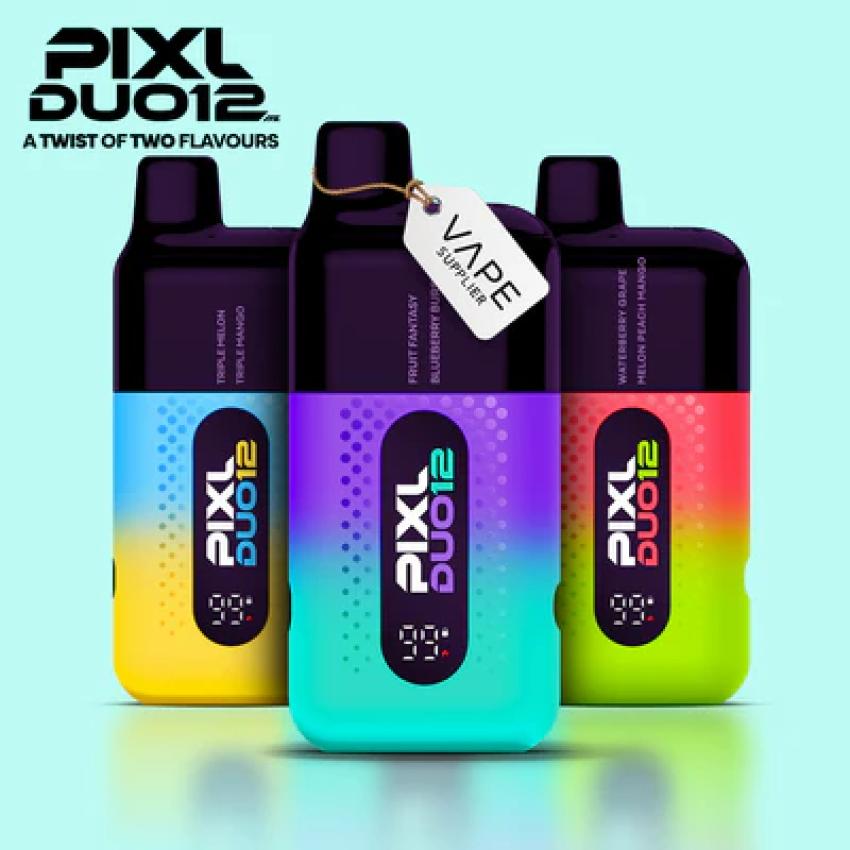
The vaping industry has endured rapid-fire growth, transubstantiating from a niche request to a mainstream alternative to traditional tobacco products. This expansion has brought colorful openings, but also heightened challenges related to product invention, nonsupervisory changes, and public perception. Successfully navigating this complex vape geography requires a deep understanding of request forces, applicable strategies for business growth, and a strong commitment to compliance and consumer safety. This composition provides a detailed roadmap for individuals and businesses aiming to excel in the vaping industry.
Understanding the Vape Market Dynamics
Several crucial factors drive the vape request's rapid-fire elaboration. Central to these is the variation in consumer demographics and preferences. Most adult vapers are former smokers seeking a less dangerous option, but their provocations and tastes can differ extensively based on age, location, and vaping experience. For illustration, new druggies frequently prefer simple, easy-to-use devices like cover systems or disposables, while educated vapers may prefer advanced mods offering customizable settings. Flavor preference is also a critical factor, with fruit, menthol, and catechol-inspired e-liquids constantly popular; however, vapewholesalepoint increased regulatory scrutiny has reduced the availability of some flavors in certain countries.
Meanwhile, nonstop product invention is reshaping the industry geography. Manufacturers regularly introduce advancements such as better battery capacity, temperature control, leak-resistant designs, and refillable capsules. These inventions aim to ameliorate usability, safety, and the sensitive experience of vaping. Still, the pace of invention presents challenges in manufacturing quality control and force chain operation.
The nonsupervisory terrain stands as one of the most dynamic and grueling aspects of the vape request. Laws vary significantly by country, and indeed by governments or businesses, with some regions assessing strict controls on nicotine attention, advertising, flavor bans, and retail licensing. Staying informed and biddable in such a shifting nonsupervisory geography is essential to avoid business dislocations and legal penalties.
Erecting a Strong Foundation Quality and Compliance
A fundamental pillar of success in the vape industry is establishing a character built on quality and regulatory compliance. Consumers are increasingly discerning and anticipate safe, dependable products free from hazardous pollutants. To meet these prospects, businesses must launch strict quality control systems. This involves comprehensive testing of liquids to corroborate nicotine situations, the absence of hazardous substances, and the thickness of flavor. Tackle factors must undergo continuity and safety assessments, ensuring there are no pitfalls such as battery malfunctions or chemical leaks.
Compliance operation involves more than product quality. It requires an ongoing commitment to understanding and enforcing the most recent rules. Clear, accurate labeling that includes constituents, nicotine content, and health warnings is a legal demand and a trust-structure measure. Retailers and manufacturers must also strictly apply age restrictions to prevent minors from accessing deals, frequently employing digital age verification tools for online deals. Advertising practices must be precisely acclimatized to avoid promoting vaping to youth and to comply with evolving rules on marketing channels and content.
A stable and transparent force chain is inversely critical. Partnering with estimable suppliers ensures traceability of constituents and factors, which is pivotal for both quality assurance and nonsupervisory checkups. Working closely with suppliers enables businesses to anticipate supply disruptions, respond promptly to nonsupervisory changes affecting supplies, and implement sustainability initiatives, such as utilizing recyclable packaging or reducing chemical waste.
Marketing and Branding in a Sensitive Request
Marketing vaping products poses unique challenges due to the public health debates surrounding the industry, concerns about youth uptake, and legal advertising restrictions. An effective marketing strategy prioritizes ethical considerations and nonsupervisory compliance while pressing the benefits for adult smokers seeking alternatives.
Targeted messaging that effortlessly defines vaping as an adult-only product supports responsible Branding. This includes avoiding promotional content or imagery that may appeal to minors, such as cartoons or youth-oriented talk shows that embrace translucency by openly communicating the relative pitfalls of vaping versus smoking, constituents' information, and proper operation instructions to gain consumer trust and nonsupervisory goodwill.
Education plays a vital part in brand positioning. Furnishing accessible information about product safety, nicotine dependence, and ways for transitioning from smoking helps people with an addiction make informed decisions. Educational sweats can include blogs, educational vids, and in-store consultations.
Digital marketing remains a vital tool but requires nuanced prosecution. Social media platforms frequently restrict vape advertising, and content must adhere to guidelines to avoid being removed or punished. Brands can engage cult through stoner witnesses, Q&A sessions with experts, and community-structured enterprise on vaping forums, furnishing both company exposure and a sense of connection among druggies.
Enhancing the client Experience
Client support should be multi-channel and responsive, addressing pre-sale inquiries, troubleshooting device issues, and handling returns or complaints. Furnishing guarantees and clear return policies add to consumer peace of mind. Some retailers enhance engagement by offering loyalty programs that satisfy repeat purchases or referrals.
Community- structure is another effective strategy. Organizing original vape meetups, shops, or online groups encourages guests to share their experiences and provides direct feedback for product advancements. These conditions help transform shoppers into brand ambassadors and promote positive word-of-mouth.
Managing Compliance Amid Changing Regulations
The nonsupervisory geography is one of the most significant hurdles in the vaping industry. With rules changing constantly and varying extensively across authorities, maintaining compliance requires constant alert. Businesses profit from appointing devoted compliance officers or uniting with legal experts who specialize in tobacco and vape laws.
Rapid adaptation is critical when new regulations take effect. This may involve reformulating e-liquids to meet lower nicotine limits, changing packaging to include mandated warnings, or adjusting advertising strategies to comply with new restrictions—non-compliance pitfalls not only legal penalties but also reputational damage and loss of request access.
Attestation of all manufacturing processes and quality checks is essential for nonsupervisory examinations and checks. A transparent and systematized record-keeping system demonstrates responsibility and facilitates smoother relations with controllers.
Using Technology and Innovation
Technology drives consumer prospects and functional effectiveness in the vape industry. Successful companies introduce products that combine features, such as short circuit protection, temperature control, and overcharge prevention, protection design, and ease of use. Customizable bias that allows druggies to acclimate wattage, tailwind, and coil resistance to cater to advanced suckers.
Data analytics helps businesses better understand client gestures and preferences. By analyzing deal patterns and client feedback, companies can conform marketing sweats and stock force more effectively. Individualized product recommendations, grounded in purchase history, enhance the shopping experience and increase conversion rates.
E-commerce platforms continue to grow in significance. Offering secure payments, stoner-friendly interfaces, mobile commerce, and discreet shipping options helps capture a broader client base, especially as consumers increasingly prefer online shopping for its convenience and ease of use.
Addressing Public Health enterprises responsibly
Despite its eventuality as a detriment reduction tool, vaping faces review relating to health pitfalls and youth exposure. Responsible businesses admit these enterprises openly. Including clear, prominent health warnings on packaging and marketing accoutrements actually informs consumers. Proactively educating druggies on the implicit pitfalls, proper use, and limits of vaping supports public safety sweats.
Precluding underage access is a precedent that requires strict age verification systems both online and in physical stores. Investing in training for staff and using advanced age-check technologies blocks minors from copying products.
Additionally, collaboration with health associations and regulators can enhance credibility and contribute to a balanced public discourse. Supporting smoking cessation programs or backing research into vaping's long-term benefits demonstrates social responsibility and commitment beyond profit motives.
Preparing for the unborn
The vape industry's future holds opportunities and challenges alike. Arising trends similar to cannabis vaping, heated tobacco products, and nicotine-free alternatives offer avenues for diversification. Expanding product orders wisely reduces business pitfalls by catering to changing consumer requirements.
Global expansion into requests with rising vape relinquishment can fuel growth, but it requires in-depth exploration into legal, profitable, and artistic factors. Building hookups with original realities can ease request entry and ameliorate nonsupervisory compliance.
Conclusion
Navigating the vape geography successfully demands a comprehensive, multifaceted approach. Businesses must stay informed about consumer trends, introduce responsibly, maintain strict quality and nonsupervisory norms, and foster genuine connections with guests through education and engagement. Responsibly addressing public health enterprises and navigating a complex, nonsupervisory terrain are inversely critical. With strategic planning and fidelity to ethical practices, companies and individuals can thrive and contribute appreciably to an industry that continues to evolve rapidly and offers significant opportunities for sustainable success.