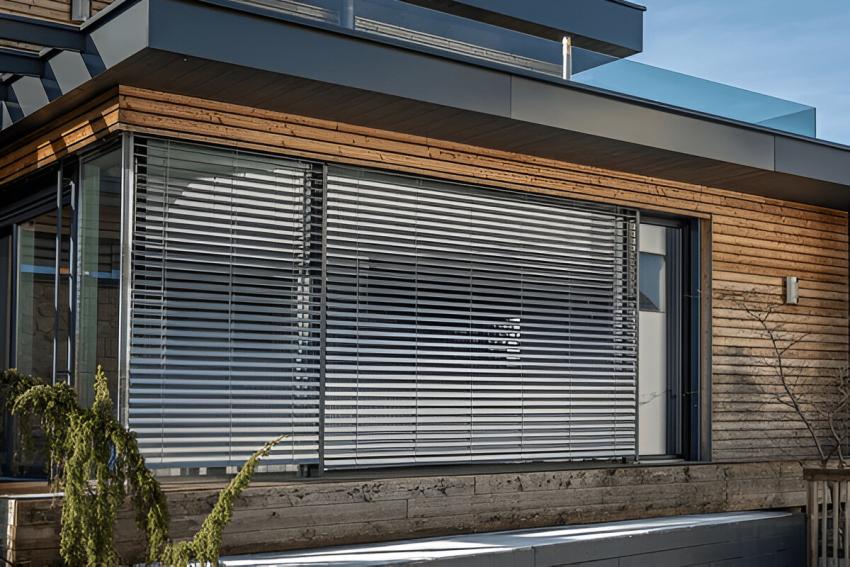
Choosing the right shutters can feel tricky, with weather shifts. Budgets vary. Styles change. Yet your home still needs shade, strength, and comfort. In hot places, the sun beats down. In cold areas, wind bites hard. Which shutters handle both? In this guide, we break it down in plain words. We compare common materials. We share care tips. We also point out climate wins and misses. Most of all, we help you feel sure before you buy. And yes, we keep it simple. Because your time matters. If you are shopping for exterior shutters in Greater Houston TX, this guide will help. However, the ideas here work anywhere.
Heat and Cold: What Exterior Shutters in Greater Houston TX Must Handle
First, think about what heat and cold do. Heat can warp weak plastics. It also fades color fast. Meanwhile, cold can crack brittle parts. It can also swell wood with moisture. Therefore, shutters must resist the sun, rain, wind, and freezing temperatures. They should open and close with ease. They should also fasten tightly in storms. Still, style matters too. You want curb appeal plus comfort for exterior shutters in Greater Houston TX. Heat, sun, and storms lead the list. Yet winter fronts still visit. So, pick materials that balance strength, shade, and simple care. Then plan safe mounts and solid hardware.
Material Matchup: Wood, Vinyl, Composite, Metal
Materials react to weather in different ways. So, compare before you choose. The quick table below shows a simple snapshot. It can guide your next step.
Material Hot Climates Cold Climates Care Level
Wood Cool shade, may fade or warp in the sun Warm look, needs sealing against wet High
Vinyl Resists UV if quality is high It can get brittle in a deep freeze Low
Composite Stable in heat, color holds longer Resists swelling and cracking Medium
Aluminum Strong in storms, reflects heat Handles freeze-thaw very well Low
However, a table is only a start. You still need details. Next, we dive deeper into each type.
Wood Shutters: Warm Look, Care Needed
Wood feels timeless. It also offers rich texture. But the weather presses wood hard. The sun can fade paint. Rain can lead to swell. Cold can open joints. Still, you can keep wood happy with care.
- Seal edges well, especially bottoms.
- Repaint or re-stain before cracks show.
- Add drip caps to shed water.
Because wood insulates, it can soften heat and cold. It also blocks harsh light well. However, coastal storms may test it. If you love the classic look, choose dense species. Cedar and mahogany handles weather better. Finally, plan on upkeep. With good care, wood can last and stay beautiful. Without care, it can fail fast.
Vinyl Shutters: Budget-Friendly and Sun Tough
Vinyl is light and easy. It resists rot and rust. It also cleans with soap and water. However, cheap vinyl can sag in high heat. It can also chalk and fade. Therefore, look for UV-stable blends. Ask about heat ratings. In cooler places, vinyl works well. Yet, deep freeze can make it brittle. So, watch impact zones near branches. For homes using exterior shutters in Greater Houston TX, pick top-grade vinyl. It should carry strong UV protection. Also, use solid mounts and stainless screws. Then check the fit each season. If panels bow, tighten hinges and adjust. With care, vinyl gives a simple, low-cost win.
Composite Shutters: The “Best of Both” Choice
Composite, like fiber or engineered wood, blends strength and style. It feels like wood but fights water better. It also holds paint longer. Because it is stable, gaps stay tight, which helps in both heat and cold. Therefore, composite suits mixed climates well and busy lives well.
- Choose sealed edges and a factory finish.
- Pick corrosion-proof hinges and fasteners.
- Add gasket bumpers to cut rattles in the wind.
Many families like composite for busy streets, strong sun, and winter blasts. In short, it balances looks and work. For buyers comparing exterior shutters in Greater Houston TX, composite often ranks high. It offers shade and shape without heavy upkeep. Still, clean it twice a year, check caulk lines, and replace any cracked paint. Then, it should serve you well.
Aluminum and Steel: Storm Power, Low Fuss
Metal shutters bring muscle. Aluminum is light yet strong. Steel is heavier and very tough. Both handle heat and cold with ease. Also, powder coat finishes help the color last. Because metal will not swell, the operation stays smooth. In hurricane zones, metal shines. It locks down tight and resists impact. However, metal can dent. It can also feel less “homey” than wood. Choose styles that soften the look, like louvered or Bahama designs. Moreover, add thermal breaks or backing if glare or heat bounce is a worry. With proper coating and stainless hardware, metal needs little care. Just wash and check fasteners.
Style and Fit: Function Meets Curb Appeal
Form still matters. But function must lead. Shutters should actually fit the window. They should close and cover the opening. Real hinges help with air flow and cleaning. Still, many homes use fixed panels. That can work if you size them right. Measure height and width. Then match louver spacing to sun and privacy needs. Narrow louvers block more light. Wider louvers vent heat better. Because wind loads rise at corners, mount into framing where you can. Add hold-backs for safety. Finally, test the swing. Panels should be clear trim and lights. Smart fit reduces wear and noise. It also boosts value and comfort.
Energy and Comfort: Small Steps, Big Gains
Shutters can help cut heat gain and heat loss. They shade the glass from the harsh sun. They also block drafts in winter. Therefore, they support comfort year-round. For families weighing exterior shutters in Greater Houston TX, this matters a lot.
- Close shutters during peak sun to cool rooms.
- Open at night in summer to vent heat.
- Close during winter nights to hold warmth.
Because glass is the weak spot, even a small shade helps. Light colors reflect more sunlight. Dark colors absorb heat but may fade faster. Moreover, tight seals reduce rattles and leaks. Add weatherstripping on the closing edges. Then pair shutters with good window film or shades. Together, these steps lower the strain on your HVAC. They also make rooms feel calm and steady.
Ready for Comfort and Curb Appeal?
Your home deserves the right match. Now you know what each material brings. You also know how climate shapes the choice. Therefore, pick the style that fits your weather and your time. If you want friendly help, reach out to The Blinds Tech. We listen. We measure. We guide you to a smart, durable pick. Call today, book a quick visit, and feel the difference this season.