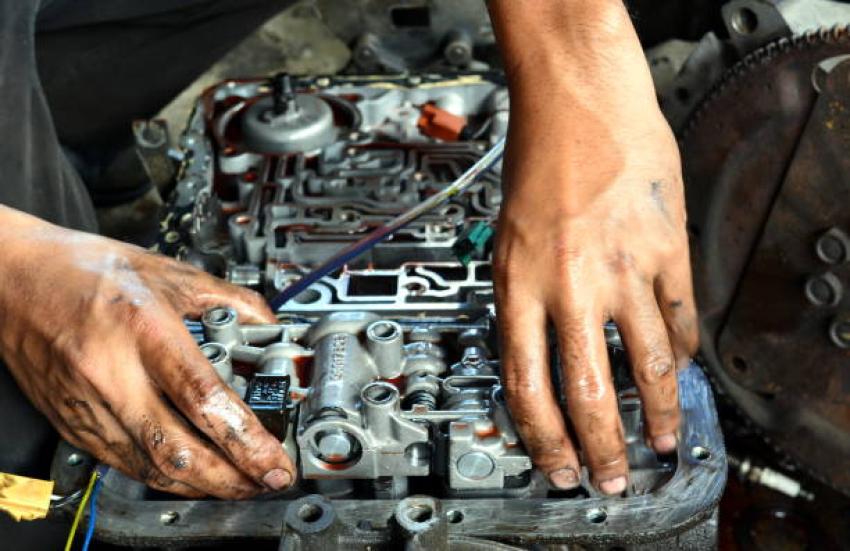
Transmission systems work like the heart of a vehicle's movement. They shift gears, balance speed, and transfer engine power to the wheels. But when this system fails, so does smooth driving.
Most drivers notice something is off, but can't always pinpoint the issue. That's when professional help becomes crucial. Mechanics know how to read early signs and dive deep into the system using tests and tools.
Since driving without a healthy transmission can lead to major damage, early detection saves time and money. In cities where commuting is daily, Euless transmission repair services become essential for keeping cars road-ready.
"Strange noises, rough gear shifts, or delayed acceleration are often the first signs of trouble."
What Mechanics Look for Before Providing Euless Transmission Repair Services
Professionals start with basic signs: odd noises, leaking fluids, or dashboard lights. These symptoms are like the transmission saying, "Something's not right."
Then comes the road test. Mechanics drive the car to feel how the transmission performs. Is it jerking? Hesitating? Slipping? These are major red flags.
Next, they check the transmission fluid's color, smell, and level. Burnt-smelling or dark fluid often signals internal wear. With these early checks, they build a picture before digging deeper.
Every step helps narrow down whether it's a minor or a bigger internal failure.
Tools That Help Mechanics Make the Call
Diagnostic tools play a huge role. Mechanics use advanced scan tools to read error codes from the car's computer. These codes reveal hidden problems that may not show during a drive test.
They also rely on pressure tests and infrared temperature checks. These reveal if certain components are overheating or not working properly.
In some cases, they perform a pan drop. This means removing the transmission pan to inspect for metal shavings or debris and clear signs of wear and tear.
When Symptoms Speak Louder Than Words
Strange symptoms drivers should never ignore include:
Gears slipping or refusing to change
Grinding noises when shifting
Delayed response when accelerating
Transmission warning lights
Puddles of red fluid under the vehicle
These are the kinds of signs mechanics look for and use to confirm their diagnosis. At the same time, it may feel minor at first, even a small change in how the vehicle drives can signal a deeper problem.
Common DIY Clues Drivers Can Spot
Though deep inspection requires a pro, many early signs are noticeable at home. Drivers should also pay attention to how their vehicle feels and sounds.
Simple checks anyone can do:
Monitor dashboard warning lights
Look for fluid leaks on the driveway
Smell for burnt odors after a drive
Listen for new noises during shifts
These hints help drivers figure out when they need to get help. Moreover, seeing changes early can stop damage from getting worse.
How Fluid Tells the Truth
Transmission fluid acts like a window into the system's health. Mechanics often say, "Check the fluid; the transmission will tell you its story."
Clean fluid should be reddish and clear. When dirty fluid gets hot, it might turn dark or black and smell like it's burning. This means that the parts within are either too hot or worn out.
At this point, some drivers seek out Euless transmission repair services to inspect fluid quality and determine if deeper repairs are needed.
What Symptoms May Indicate
Symptom
Possible CauseUrgency Level
Gear slippingWorn clutch or low fluidHigh
Delayed shiftingA faulty solenoid or fluid issueMedium
Burning smellOverheated fluid or damageHigh
Leaking red fluidBroken seal or cracked panHigh
Possible Cause
Worn clutch or low fluid
A faulty solenoid or fluid issue
Overheated fluid or damage
Broken seal or cracked pan
Urgency Level
High
Medium
High
High
Noisy while driving
Gear damage or lack of lubrication
Medium
Each symptom can mean different things, but spotting them early makes repairs more manageable.
Industry Insight: Why Transmissions Fail So Often
Over time, friction, heat, and pressure wear down transmission parts. When a driver ignores minor symptoms, they allow further breakdowns to spread.
One expert insight says: "Ignoring one gear slip today might lead to a full rebuild tomorrow." Regular maintenance also keeps that from happening.
Therefore, drivers should follow factory schedules and address even small changes in how their car shifts.
Modern Testing: Not Just Guesswork Anymore
Mechanics today don't rely on guesswork. They blend mechanical skill with high-tech tools. Computerized diagnostics show what's happening inside without needing to disassemble the transmission.
Still, machines don't replace experience. A skilled mechanic interprets the data and confirms it with real-world checks. This combination also ensures an accurate diagnosis and avoids unnecessary repairs.
So when a dashboard light flashes or a gear hesitates, it's time for a deeper look, not just a reset.
Preventive Tips Drivers Should Never Skip
To avoid transmission trouble, drivers can also take a few simple steps:
Always check fluid levels monthly
Don't tow heavy loads beyond vehicle limits
Use the right type of transmission fluid
Avoid sudden starts and stops
Get regular inspections
Following these tips can avoid many expensive problems before they begin.
Signs It's More Than Just a Minor Issue
A slight delay when shifting may seem harmless, but it can mean internal problems. Mechanics say any repetitive issue—no matter how minor—needs attention.
For instance, if a vehicle makes a thump every time it downshifts, that's not just a quirk. It's the system struggling.
If these symptoms worsen over time, Euless transmission repair services become more than an option—they're a necessity.
What Repairs Might Look Like Based on Diagnosis
Once a mechanic diagnoses the issue, they'll recommend one of these:
Fluid change or flush (for minor issues)
Repairing or replacing parts (solenoids, gears, sensors)
Rebuilding the transmission (complete teardown and part replacement)
Replacing the transmission entirely (last resort)
The recommendation depends on how early the issue is caught. Moreover, acting quickly often leads to easier, cheaper fixes.
Driving Smoothly Starts with Noticing the Smallest Signs
Transmission issues can start silently but grow fast. A tiny slip in gear today could turn into a full failure tomorrow. Drivers also avoid expensive repairs by recognizing symptoms and taking prompt action.
Mechanics providing Euless transmission repair services rely on experience, data, and testing to make the right call, and drivers help by noticing early warning signs.
At DFW Bimmer, they provide inspections, diagnostics, and transmission repair services to keep vehicles running safely and smoothly every day.