

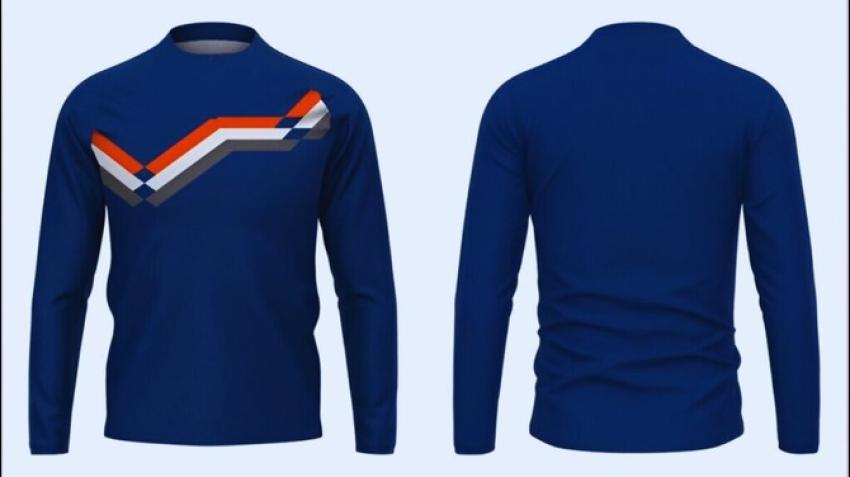
Invisible ghost mannequin photography makes clothing appear as if an invisible person is wearing it—giving your products a clean, 3D, professional look without the cost of live models.
By combining multiple photos and removing the mannequin in post-production, you can showcase your apparel’s true shape and fit. In this content we will talk about Types of Invisible Ghost Mannequin Photography
What is the Ghost Mannequin Effect?
You photograph clothing on a mannequin, then take extra shots of hidden interior areas (like collars or lining). In editing, these images are merged, and the mannequin is removed, leaving a hollow, realistic garment display. It’s budget-friendly, consistent, and ideal for e-commerce.
Main Types of Ghost Mannequin Photography
Classic Removable-Neck Torso
Use a detachable mannequin. Photograph the garment with and without removable parts (like the neck or arms), then combine images for a seamless look.
Neck-Joint or Insert Technique
Take separate photos of the garment and inside the neck area. A skilled editor blends them into a smooth, mannequin-free image.
Jacket & Coat Hollow Back Composite
Ideal for heavier items. Photograph both the front and the inner back, highlighting zippers, lining, and fit. Use overhead lighting to enhance texture.
360° Ghost Mannequin
With a spin mannequin, rotate the garment and capture multiple angles. Merge inside details for a 3D, interactive view that customers can rotate online.
Hybrid: Flat Lay + Ghost Composite
Combine a ghost mannequin shot with a flat lay to show both fit and fabric texture. Great for adding matching accessories in one frame.
Custom-Size Mannequin Technique
For children’s or varied-size apparel, use size-adjustable mannequins or models (edited out later) to ensure accurate fit displays.
Sheer, Lace & Delicate Fabrics
Use soft, even lighting to avoid overexposure. Clear props can hold shape without showing, and low-power flashes help preserve texture.
How to Create the Perfect Ghost Mannequin Image
Step 1 – Photography
Style the garment neatly on a mannequin with consistent lighting. Capture shots from all sides, plus inside details.
Step 2 – Clipping Path
Remove the mannequin and background with precise editing tools.
Step 3 – Hollow Effect
Insert the hidden interior shots into the garment to create the “ghost” look.
Step 4 – Retouching
Adjust shadows, colors, and remove wrinkles or dust. Match product colors to reality for accurate online display.
Why It’s Essential for E-commerce
Boosts Conversions: Professional, consistent visuals build trust and encourage purchases.
Reduces Returns: Customers see accurate fit and shape, leading to fewer size or style mismatches.
Saves Money: Avoids expensive model shoots while keeping quality high.
Builds Brand Identity: Consistent product photography creates a premium, reliable store image.
Improves Marketing Assets: Clean, clear images work well on ads, social media, and product pages.
💡 Pro Tip: For faster page load speeds, use WebP image format and small thumbnails. Add descriptive alt text for SEO and accessibility.
Best Practices for Your Ghost Mannequin Workflow
Choose the right ghost mannequin style for each product.
Keep lighting, camera position, and background consistent.
Maintain master PSD files and clear file names.
Train one person to check final quality.
Use Photoshop templates and actions to speed up editing.
Mix virtual and real ghost mannequin images where needed for scale.
Test Before You Roll Out
Pick one product line and do a full ghost mannequin shoot. Track:
Clicks (to see if customers engage more)
Sales (to measure conversion lift)
Returns (to see if fit clarity reduces refunds)
Review results after two weeks and adjust your workflow for maximum impact.
Final Word:
Invisible ghost mannequin photography isn’t just about making clothes look good—it’s about making customers confident to buy. Done well, it improves brand perception, increases sales, and saves production costs. Start small, refine your process, and you’ll see measurable results fast.


