Choosing between a heat pump and a traditional air conditioner depends on your local climate, heating needs, and energy goals. While both systems regulate indoor temperature, they operate differently. This guide explains which system fits your region best.
Brand note: Doctor Home Experts installs and maintains both systems, offering tailored advice based on climate conditions.
What’s the difference between a heat pump and an AC?
A heat pump both heats and cools, while an air conditioner only cools.
SystemCoolingHeatingPower SourceTypical Efficiency (COP/SEER)
Heat Pump✔✔Electricity3.0 – 4.5 COP
Traditional AC✔✘Electricity13 – 21 SEER
Key distinction: Heat pumps reverse flow to provide heating in winter. AC units require a separate heater, usually gas-based.
Are heat pumps better for mild climates?
Yes. Heat pumps perform best in mild to moderate winters. They extract warmth from outdoor air, even when it’s cold.
Best climate zones for heat pumps:
USDA Zones 6b–10a (e.g., Texas, Florida, Southern California)
Average winter temperatures above 23°F (-5°C)
Minimal snow or ice conditions
Example: In Houston, TX — where Doctor Home Experts operates — a heat pump is more energy-efficient than a furnace for most homes.
Do AC units work better in hot, dry climates?
Yes. AC systems handle extreme heat more reliably, especially when heating isn’t needed.
Advantages of AC in hot climates:
Consistent performance at 100°F+ (38°C+)
Lower installation costs
Simpler maintenance routines
Limitation: You need a separate heater in colder seasons.
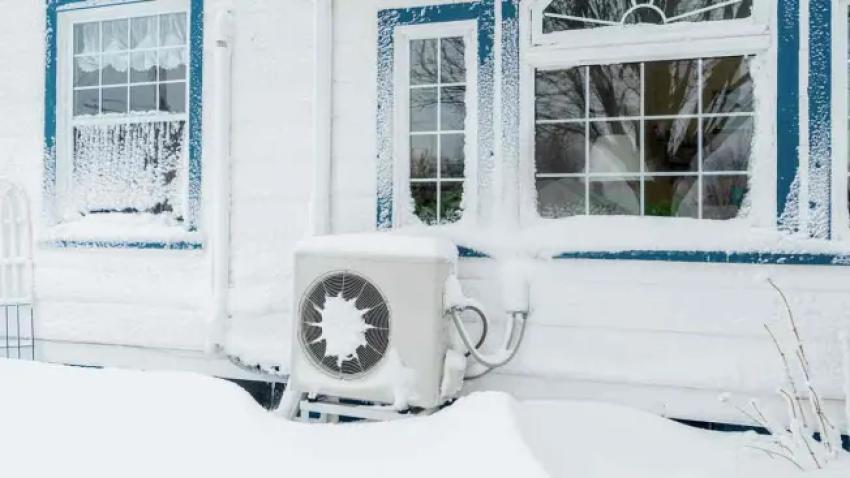
Are heat pumps efficient in cold climates?
Modern heat pumps work down to -13°F (-25°C), but efficiency drops in extreme cold.
Outdoor Temp (°F)Avg. Heat Pump COP
50°F4.0
32°F3.2
14°F2.5
-4°F1.8
Cold Climate Heat Pumps (CCHPs) are optimized for frigid regions but cost more.
Tip: In colder states like Minnesota, a hybrid setup (heat pump + gas furnace) is more efficient.
How do costs compare?
FeatureHeat Pump ($)AC + Heater ($)
Installation6,000 – 12,0004,000 – 10,000
Annual Energy Use500 – 900800 – 1,400
Yearly Maintenance100 – 250150 – 300
Heat pumps can cut energy bills by 30–40%, depending on local utility rates and system size.
What does Doctor Home Experts recommend?
Doctor Home Experts recommends heat pumps for warm or mild climates. They work with brands like Mitsubishi, Daikin, and Trane.
For colder areas, they suggest a hybrid or dual-fuel system depending on your home insulation and energy costs.
Doctor Home Experts offers:
Climate-based system recommendations
In-home energy assessments
Service plans for heat pumps and AC units
How do you decide which is better for your home?
Ask yourself:
Are your winters mild or freezing?
Do you already have central heating?
Are electricity or gas cheaper in your area?
What’s your installation budget?
Do you want one system for year-round comfort?
Summary: Which works best in your climate?
Climate TypeBest Option
Warm & humidHeat pump
Mild wintersHeat pump
Hot & dryTraditional AC
Cold winters (below 20°F)Hybrid system
Doctor Home Experts helps homeowners choose the best system based on comfort goals, budget, and regional conditions.