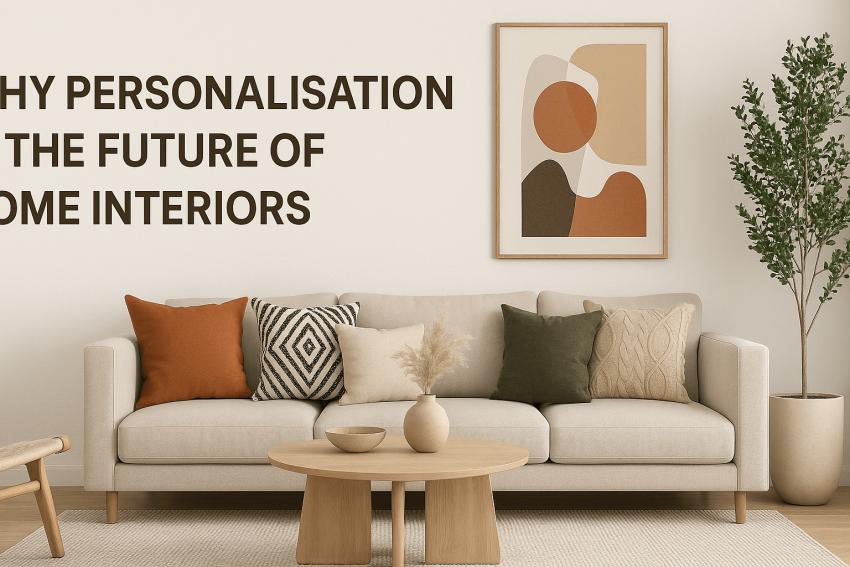
Today, homes are not just a space to live in. Indians, especially in metropolitan cities, are designing their homes in the most personalised way they can.
Homeowners across Gurgaon and beyond now crave spaces that reflect their lifestyles, personalities, and aspirations rather than sticking with a generic, one-size structure.
But do you know why Indians are shifting to personalised designs? Let’s understand what’s changing, why it matters, and why personalisation is more than just a trend.
Key Takeaway
Personalised design creates homes that feel like “you.”
The trend is global and especially powerful in India’s evolving interior design market.
With technology and sustainability as enablers, your perfect home is just a conversation away.
What Does “Personalisation” Mean in Home Interiors?
Personalisation in housing simply involves creating every corner of your home to speak of your identity. It is not just about selecting drapes or colours on the walls, but to make sure that your home tells your story.
It is your design with architecturally sourced art, to cabinetry made to your specifications, and modular furnishings that will suit your family and fit into your lifestyle. It is designed with the integration of your passion for indoor plants.
The Indian homes are also mixing the past and the present: imagine a wooden swing in a sleek apartment, or a special mural based on family history, or the kitchen with all the advanced technology combined, making everyday activities a breeze.
The Trends: India and the World Are Shifting Toward Personalisation
Personalization is already gaining praise as a major import in interior design trends not only in the year 2025 but also in the future. It is the people, spending more time at home, working, relaxing, and even entertaining. Home has also turned into a sanctuary, and everything around should be correct.
Customised interiors are on a rise in India. As per the industry insights, new spaces are increasingly sought by clients, which implies exotic materials, smart-design incorporation, and speciality decorative pieces to be used that have their stories to tell. This new direction is especially localized to cosmopolitan centers such as Gurgaon where the home owners desire to show worldly influences but not alien themselves to Indian sensibilities.
Why Are Homeowners Embracing Personalised Interiors?
Emotional Connection: Customised places are not only more visually appealing, but they also feel proper. The house is part of yourself and fills itself up with history and significance with each personal detail.
Functionality: It is not only about looks. A house custom-designed to fit your habits, to your interests, to your household arrangement, all this combines to a decrease in the clutter, the increase in comfort, and the simplification of your life.
Aesthetic Edge: Individualised houses loosen up on the 'catalogue look' and introduce themes of mystery, diversity and style.
Resale Value: Beautiful, unique, memorable interiors will enable your property to stand out in a busy real estate market.
Tech and Sustainability
Nowadays, technology and sustainability are the two huge powers that drive the individualized experience. Meanwhile, features such as lighting you can adjust via your phone, voice-activated blinds, and custom climate settings available in smart home products are bringing seriously personal interiors into the reach of the typical homeowner.
At the same time sustainability is not a niche anymore it is imperative. Designers are paying attention to environmentally-friendly paint, recycled wooden furniture, and handmade local decorations. Nature-filled biophilic minimalism brings tranquility and special flair to the interior.
And, with the recent breakthroughs in both AI and data science, the finest luxury interior designer can now develop highly detailed 3D models based on what you like and prefer, above and beyond an optimal solution.
What is Real Personalisation?
Indian Luxury: Take a look at some of Gurgaon’s most stunning residences—custom marble inlays, handcrafted lighting, personalised art walls...
Middle-Class Solutions: Nor is it merely a thing of the super-rich. The modular kitchens are designed according to your cooking style, the ward, which saves space and the study corner for the children to access through online studies are all designed keeping Indian families in mind.
Local Touches: Jaipur block prints, market-upcycled furniture in Delhi, or wall art by young Indian artists. Personalisation is a cultural and highly local story.
How to Start Personalising Your Space?
Know Your Story: What do you love? What makes you feel “at home”? List out your must-haves.
Work With Experts: The best interior designer in Gurgaon will begin with your story, not just a catalog. It is not unwise to brainstorm with listening professionals.
Invest for Value: It may be more expensive initially to personalise the design, however, the benefits can be seen in comfort, self-worth and even the resale price of the property.
Blend Trends Subtly: Not all fashion should be followed; you need to choose the styles which can really suit your taste and your style of life.
Go Sustainable: Wherever possible, go green. The popularity of using sustainable materials is right on point, not only because it is fashionable but also environmentally friendly.
Why Work With Professionals in Gurgaon?
Customising a house is both a skill and an imagination. Be it's a high-tech living room, a peaceful and biophilic bedroom, an experienced designer offers their experience, creative thinking, and contacts with artisans and suppliers.
When you look at a luxury interior designer in Gurgaon, look at integrating ones who are combining your narrative with innovations and not unthinkingly following what is globally trending. The city has the ultimate interior designer who knows how to make houses unique, balancing between the latest technology, price friendliness, and a grounded Indian touch.
The Future of Interiors is Yours. Personalise it
Personalisation isn’t just a design trend; it's the answer to a fundamental human need: to belong. As more Indians recognise this, the home interiors industry is evolving. You’re not just decorating four walls; you’re designing an experience, a legacy, and a living memoir.