Have you ever wondered why some concrete floats seem to last forever, while others start showing wear after just a few projects? Are you eager to keep these devices simple, tried and tested to keep these units in top form without using luck on replacement? If so, are you in the right place. Concrete floats are the unsung heroes of many Australian worksites, from small garden paths to large-scale commercial developments.
In this post, we’ll look into all the crucial aspects of caring for your concrete floats. We will talk about regular cleaning, smart storage ideas and best ways to solve general problems. Towards the end, you know how to protect your investments, promote shelf life and continue working in your best form.
So take a cup, settle and go through each step in the concrete care. You will also get simple suggestions to handle everything from rust problems to broken edges.
Easy Steps for Routine Maintenance
Daily Cleaning and Inspection
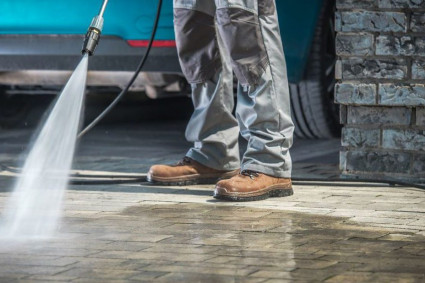
A simple rinse after every job can do wonders for your float’s longevity. Start by removing all fixed residues while still soft. Use a stiff brush to dislike materials from the edges and corners, and if necessary, a mild detergent can help with stubborn spots.
When the float is released from debris, a brief inspection should be followed. Check any small cracks, chips or splinters in three tables. If you discover something, you must notice it for repair or replacement based seriously.
Finally, dry your float thoroughly. Three tables turned the moist or mocked, while metal tableaus may be exposed to mild rust if it is left in a very long-lasting water. By establishing a consolidated cleaning routine from the first day, you will avoid the timeline and cost of the project that will avoid the final score.
Preventing Residue and Buildup
Residue can settle into grooves and corners, solidifying into rock-hard fragments. Over time, that makes the float unwieldy and less effective on fresh concrete. In addition to cleaning solutions, the water-to-concrete ratio in your mixture also plays a role. If it is too wet, you will probably end up with extra splashes on your devices. Making your technology helps to reduce the Float pollution and streamline your cleaning routine. Remember, an extra minute spent on prevention can eliminate hours of chipping away dried concrete later.
Checking for Damage
You do not need a magnifying glass that you just need to be an observer. See cracks, rough patches or under the float for uneven visible areas. If the float is three, look for spliers or water damage. If it is magnesium or aluminum, look for a bow that can take a nap on the surface of the concrete and make scars.
Before you see these problems quickly, you need a major repair before fixing minor concerns or you are forced to buy replacement. Sometimes a fast patch or a small grinding trick can be done. The key is stability: By giving the float once after each cleaning, you will be ahead of potential problems.
Advanced Maintenance Techniques
Using Specialised Cleaning Products for Concrete Floats
For those who work with large versions of concrete every day, standard soaps and water may not be enough with time. Specific cleaning products specifically target cement residues, so you can scrape the surface of the float, scrub or remove build -up without damage. These formulas are often biodegradable, making them relatively safe for health and the environment.
Protective Coatings: Enhancing Durability on Australian Worksites
Protective coating is another advanced method that can extend the life of the flow. For three tables, special sealants or varnish are blocking the entrance to moisture, which reduces the risk of war or rot. For metal tables, corrosion inhibitors or clear protective sprays can shape them from corrosive environment or sea spray in coastal areas.
Bear in mind that coatings aren’t a magic fix. They do wear off eventually, especially if you’re using your floats on rough surfaces or storing them in dusty, abrasive conditions. Yet, as quick wins keywords go, applying a protective coating here and there is a small step that can yield big rewards, especially for professionals doing high volume work every week.
Fast Ways to Restore Float Efficiency
Sometimes you need everything, which is five minutes and a little elbow fat to upgrade the location of your float. For example, more easily grind the edges of a wooden flow can remove the splitters and make a smooth finish. A swift polish on a metal float can remove small spots of rust or discolouration, making it glide more easily over fresh concrete.
If you feel your float is dragging or creating tiny lines in the wet concrete, a quick inspection is wise. You might notice that a piece of debris is stuck on the float or that the surface is pitted. A small fix can restore the float’s smooth action right away, saving you from having to re-float or correct lines on the slab. These little touches can accumulate into significant time savings on a busy schedule.
Conclusion
Concrete floats are integral to every quality concreting project whether you’re working on a modest backyard job or a massive commercial site. By focusing on daily cleaning, proper storage, and timely inspections, Quick wins also abound, from using mild detergents for immediate clean-ups to applying specialised sealants for more serious protection.
Another vital point is choosing the right type of concrete float for the climate and project size. Accountability in your routine matters too. Rinse the flow completely and hold a few minutes away at the end of each shift to give it an eyeball for cracks or chips. These simple stages make a big difference, significantly reduce expensive compensation and give the results at the top level.
Ultimately, investing just a little energy each day keeps your floats working like new, even under the tough conditions that many Australian worksites dish out. With a balance of common-sense maintenance and a few advanced techniques, you’ll enjoy lasting success and cleaner, more uniform concrete finishes. It’s all about being proactive, consistent, and informed about the best ways to take care of your trusty concrete floats.