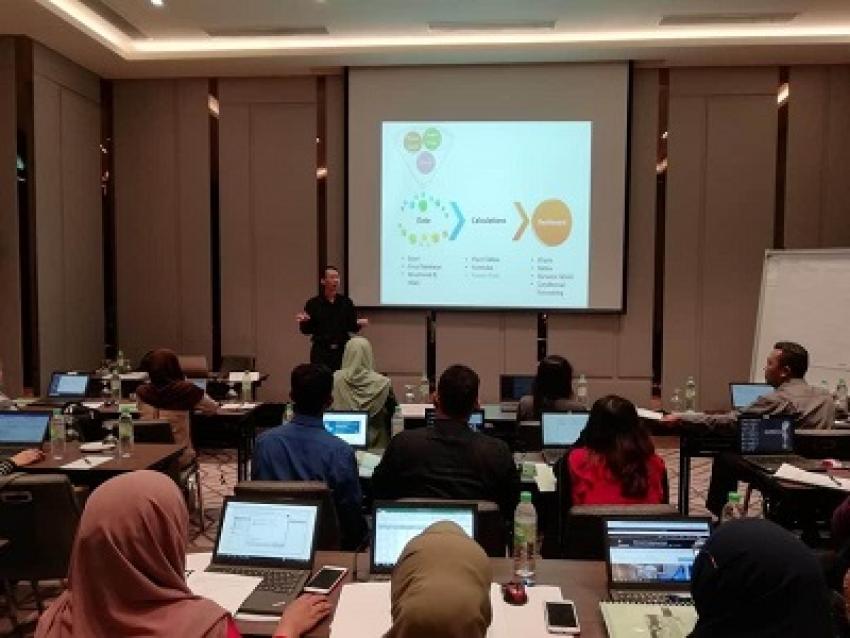
"You can't sharpen a blade without a grindstone,"—and in business, that grindstone is training. As industries evolve and competition rises, Malaysian companies must keep their teams sharp, skilled, and forward-facing. An HRDF training provider plays a vital role in this journey, offering structured learning that matches real-world demands. By focusing on growth from within, businesses gain more than just new knowledge—they build resilience, spark innovation, and drive lasting results. Training isn’t a luxury anymore; it’s the fuel for staying ahead.
Why Training Matters More Than Ever
Every business must adapt or risk falling behind. Training doesn’t just improve skills—it transforms how teams approach challenges and deliver solutions. With the right support, staff gain useful tools they can apply straight away.
Benefits include:
- Higher team confidence.
- Faster work turnaround.
- Fewer costly mistakes.
- Sharper thinking in tough situations.
Exploring Big Data Training in Malaysia
Modern business runs on data. Yet many firms still struggle to read it well. Big Data Training Malaysia helps staff spot patterns, understand trends, and make smarter decisions. That’s where solid training steps in—it guides teams from confusion to clarity.
Big Data skills help to:
- Cut the guesswork in planning.
- Spot customer needs early.
- Reduce waste and delays.
Learning in this area doesn’t just help IT teams—it lifts every department. TED Learning creates pathways to make data easy to handle, no matter your role.
How Training Unlocks Business Growth
Skilled teams help businesses scale. They solve problems faster and handle projects with better judgment. Investing in training fuels long-term performance and staff loyalty.
Well-trained teams can:
- Take on new tasks with less support.
- Work across roles and reduce bottlenecks.
- Handle change without losing focus.
Smart businesses don’t wait for problems—they prepare ahead. Training makes that possible.
Skills That Make a Difference
Different jobs call for different skills. But some abilities matter everywhere—like clear thinking, problem solving, and using digital tools. Training sharpens these core strengths.
Focus areas include:
- Communication under pressure.
- Critical thinking for decision-making.
- Digital fluency for everyday tools.
Learning designs each course to meet real job needs, making training useful from day one.
Role of the HRDF Training Center
The HRDF training center doesn’t offer just a course. It crafts a path that fits the company’s goals. This turns training into a tool, not just a task. Teams learn through practice, not just theory, so skills stick and results show.
What to look for:
- Clear, hands-on content.
- Trainers who connect with people.
- Courses that match real-life needs.
When staff learn the right way, they don’t just gain knowledge—they use it. Learning helps make that shift, guiding teams step-by-step.
Choosing the Best Training Approach
Training should not feel like a lecture. The best methods spark curiosity and action. Courses of Big Data Training Malaysia have a blend of discussion, group work, and role-play that often stick longer in memory.
Top approaches to consider:
- Scenario-based learning.
- Role-specific practice tasks.
- On-the-job skill application.
This kind of delivery turns training into a true growth experience.
What Makes a Course Stick
Some training fades fast. Others stay because they tie back to daily work. The difference often lies in delivery and feedback. Trainers who listen and adapt create real learning moments.
Effective courses offer:
- Strong examples from real industries.
- Activities tied to common job issues.
- Feedback that shows growth areas.
Learning focuses on what matters most—making learning last.
Link Between Training and Team Culture
Culture drives behaviour. Training shapes that culture. When staff feel valued through learning, they give more back. A learning culture builds trust, engagement, and pride.
Signs of a strong learning culture:
- Staff share what they learn.
- Mistakes lead to reflection, not blame.
- Growth goals tie into team meetings.
Learning spreads faster in this environment, and results show quicker.
Preparing for the Future of Work
Technology, markets, and roles shift all the time. Training helps teams stay ready. Whether it’s Big Data or communication upgrades, smart upskilling supports smooth transitions.
Future-ready training should:
- Match upcoming business trends.
- Teach how to learn—not just what to know.
- Build confidence in new tools.
TED Learning keeps pace with these changes and brings training that moves with the times.
Learn Builds Trust and Team Unity
Training does more than grow knowledge—it brings people together. When employees learn side by side, they build trust, share goals, and support one another through change. This shared experience strengthens teams and reduces workplace tension. It also helps new joiners feel welcome faster, creating a smoother path into the company culture.
Key outcomes:
- Better collaboration across roles.
- More open and honest feedback.
- Shared ownership of tasks.
- Stronger bonds between departments.
Long-Term Value Through Strategic Training
Short-term skills help today, but long-term success depends on deeper growth. When training links directly to business goals, it supports strategic success. Skills gained today shape tomorrow’s decisions, driving smarter planning, smoother workflows, and better use of resources.
Strategic training supports:
- Leadership development.
- Project management excellence.
- Clearer succession planning.
- Business continuity during change.
What Happens When Training Is Ignored
Without training, skills fall behind. Teams become reactive, not proactive. Mistakes rise, morale drops, and opportunities slip past. The gap between what teams can do and what the business needs widens fast. In time, even strong performers lose their edge.
Common results of skipped training:
- Lower customer satisfaction.
- Missed chances for innovation.
- Slower response to market shifts.
- Higher staff turnover.
Why Learning Must Evolve With the Industry
Training can’t stay static. As industries change, skills must evolve too. Outdated sessions hurt progress. Ongoing updates to learning content ensure staff stay sharp, informed, and ready for what’s next. Relevant training keeps teams ahead of the curve, not playing catch-up.
Evolving training includes:
- Fresh case studies and tools.
- Updates aligned with new regulations.
- Skills tied to current tech trends.
- Real-time feedback for quick skill tweaks.
Final Thoughts
Effective training helps teams do more than learn—it helps them lead. With the support of a skilled HRDF training provider, businesses build strength from within. Whether it’s tackling Big Data or refining core skills, each session moves a team closer to its full potential. TED Learning helps shape that journey with thoughtful, practical training that fits real company needs.