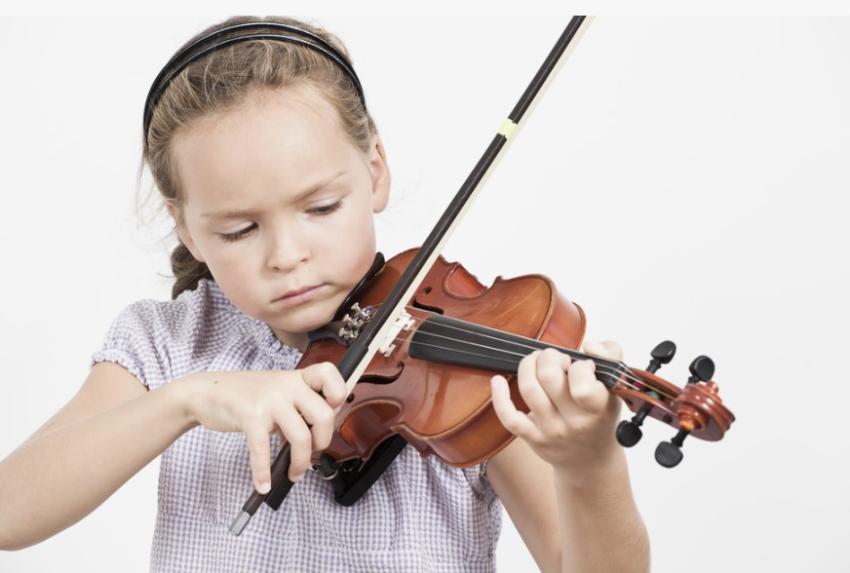
Starting violin lessons can be an exciting journey for both children and parents. The violin isn’t just an instrument but it’s a path to confidence, focus and joy. But before your child picks up a bow, it’s important to understand what goes into learning to play.
Kids violin lessons need time, patience, and lots of support at home. It’s not about becoming perfect overnight, but about enjoying the steps along the way. Whether your child hums all day or just shows a bit of interest, knowing what to expect can help you guide them better.
In this guide, you’ll find everything you need to know before starting a violin lesson for kids. With the right support and understanding, your child can grow through music in ways you never imagined.
Can Your Child Start Learning the Violin?
Learning the violin takes time and practice. Not every child feels ready at the same age. Some children begin at four years old. Others feel more ready at six or seven. The best time depends on your child’s interest and focus.
Look for These Signs
Your child hums or sings often.
They sit and listen for 15–20 minutes.
They follow directions.
They show excitement to play something new.
If your child does these things, they may enjoy kids violin lessons. If not, you can wait and try later.
Pick the Right Violin Size
Violins come in many sizes. Children need smaller ones to fit their arms. A large violin makes playing hard and might cause pain.
Teachers usually help pick the right size. You can also try holding the violin at home to check. A good fit helps your child move the bow and fingers better.
Should You Rent or Buy a Violin?
When your child begins to play the violin, you might ask, “Should we rent or buy one?” Renting often works better at the start. It saves money and lets your child explore the violin without a big cost.
Children grow fast, and their arms stretch longer every year. When you rent, you can trade the violin for a bigger one when they outgrow it. Renting also gives you a break if your child wants to pause lessons later.
If your child sticks with playing and grows into a full-size violin, then you can buy one that suits them. Until then, renting gives you space to choose, change, and enjoy the music journey without worry. It’s a smart and easy way to begin.
Expect a Slow and Steady Start
Learning the violin takes time, and that’s okay! When your child begins, don’t expect them to play full songs right away. Kids violin lessons start with the basics—how to hold the violin, how to move the bow, and how to make a clean sound.
These first steps may feel small, but they matter a lot. Some days might feel slow, and progress may come bit by bit. But every sound your child makes brings them closer to playing music.
Clap for them, smile with them, and remind them that learning something new takes effort. A steady start helps build strong habits. With your support and their practice, your child will begin to play music with joy and pride.
Find the Right Teacher
A good violin teacher fills each lesson with fun and joy. Pick someone who loves teaching young kids and knows how to guide them with care. The teacher should laugh often, show clearly what to do, and use songs or games to make learning feel like play.
Ask the teacher how they help children stay on track, practise at home, and feel proud of their progress. A great teacher spots small mistakes, fixes them kindly, and cheers each time your child grows. When the teacher stays calm, friendly, and full of praise, your child feels brave and excited.
The friendship between your child and the teacher really matters. When they click and enjoy time together, lessons feel like a treat not a punishment. Pick with care as it truly shapes the journey.
Make a Practice Habit at Home
Violin lessons help, but daily practice helps even more. Try to practise for 15–30 minutes each day. Pick a quiet place and set a time that works for you and your child.
Make practice simple. Say things like, “Let’s play this song three times.” Set small goals. Keep the violin somewhere easy to reach. Smile and clap when your child plays.
Show your child that practice matters. When you care, they care too.
Help Your Child Learn and Grow
Parents help children the most, even if they don’t play music. Sit with your child during practice. Listen. Hug them when they finish a song. Ask, “Can you play that again for me?”
Show joy when they learn something new. Remind them that learning takes time. Stay patient and give lots of love.
Your child will feel brave and proud when they know you believe in them.
Handle Hard Moments Together
Sometimes, the violin squeaks or sounds scratchy. The bow may slide too much. That’s okay. Everyone makes mistakes when they learn.
If your child feels upset, take a short break. Try again later. You can also talk to the teacher if things feel too tricky.
Let your child know that trying again helps them get better. Stay calm and kind during tough days.
Make Music Fun
Music should feel fun, not like a big task. Many teachers play games and sing during lessons. These things keep children smiling while they learn.
At home, you can let your child play songs they love. Dance to their music. Play violin songs on the speaker. Go to a music show or watch a video of someone playing the violin.
When music feels happy and full of play, your child will want to keep learning.
Why Violin Lessons Matter
A violin lesson for kids teaches more than just notes. It teaches focus, patience, and listening. It gives your child a voice through sound.
When your child learns music, they also learn how to try, grow, and feel proud. They learn to keep going, even when things feel hard.
Even if they stop later, the skills stay. Your child carries the joy and lessons with them forever.
Conclusion
Violin lessons can brighten your child’s world with music, focus, and fun. As a parent, you shape this journey more than you may know. When you pick the right violin and set up a practice plan, you help your child feel ready and brave to learn.
At first, learning may crawl slowly, but every squeak, pluck, and smile shows your child growing stronger. A violin lesson for kids teaches more than songs—it builds courage, helps them think clearly, and sparks joy.
When you cheer, guide, and believe in them, your child will blossom into a proud and happy player. Keep calm, stay kind, and enjoy every note you share. This wonderful journey starts with one string and a heart full of love.