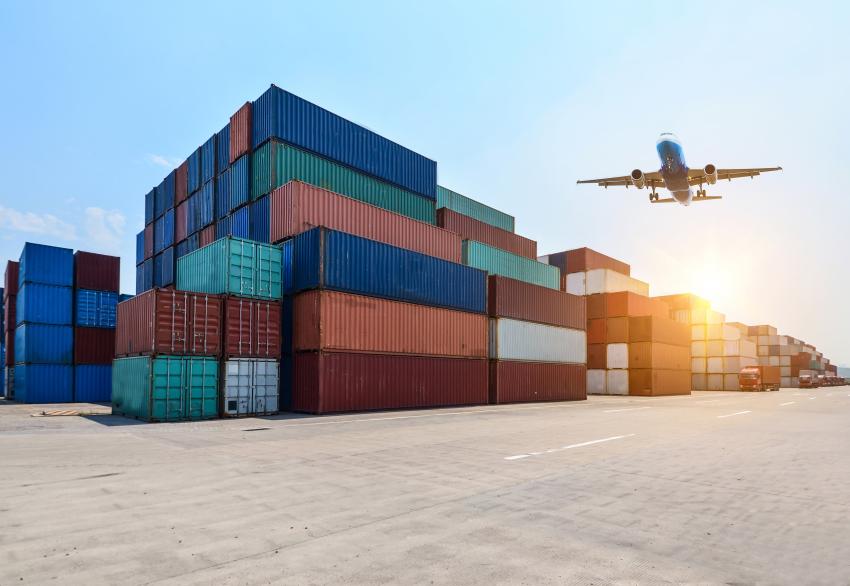
Dubai has become a logistics powerhouse in recent years owing to its highly strategic location and modern infrastructure. Located at the crossroads of global commerce between the East and the West, it has emerged as a leading trading hub. As a matter of fact, the logistics market for the UAE is expected to grow at a CAGR of 7.44% between the years 2023 and 2028. The presence of major ports and airports also plays a significant role in making Dubai a dynamic market in the global frontier. As a result, it has exceptional opportunities with international shipment facilities.
However, despite the logistics advantages, the freight forwarders in Dubai face several challenges in international shipments. Right from the increasing operational costs and complicated customs regulations to the ever-rising competition. Without the right strategic plan and experience, it becomes difficult to navigate through these issues, which might create a massive impact on the businesses that rely on these freight forwarders for shipments across borders. In order to ensure a smooth and seamless operation for the import and export process, experienced and professional freight specialists can transform these challenges into stepping stones and manage them strategically.
This article delves into the most common and major challenges freight forwarders face and how they successfully tackle them.
International Freight Forwarding: 5 Key Challenges and How Shipping Companies are Overcoming Them
Some of the major challenges the freight forwarders face are discussed below, along with how the Professional freight forwarders in Dubai are solving them.
1.Regulatory Compliance and Documentation Complexity
Global shipments demand a wide range of documentation, custom processes, and compliance requirements. All these rules tend to vary from one country to another and keep evolving. The shipping firms have to stay updated and keep up with these ever-changing regulations. Especially in the GCC regions and other countries where the trade laws are changing frequently, being aware of the latest rules and laws is not only challenging but exhausting. This is why the top shipping companies hire compliance teams and adopt the latest technologies to automate the documentation process, which reduces errors and ensures that the documentation is in alignment with the regulations. They also conduct regular training and convey real-time updates to the staff who are part of a compliance strategy.
2.Port Congestions and Shipment Delays
A lot of times, Dubai faces overcrowding with massive cargo volumes in the essential ports. For example, the Jebel Ali Port often witnesses this issue. Even though it is well equipped to handle it efficiently, rising trade activities can still lead to port congestion. It further causes delay in shipments that often impacts the overall timeline of the supply chain. This can be damaging for certain products and businesses, as reaching the deliveries beyond the expected time can cause customer dissatisfaction. Hence, the professional freight forwarders in Dubai use advanced tools that ensure direct coordination with the port authorities and enable optimized cargo handling.
3.Inconsistent Freight Charges
One of the significant challenges the Dubai-based shipping firms face is the fluctuation in the shipment charges. This is mainly due to various reasons such as rising cost of fuel across the globe, various geopolitical events, and the demand-supply imbalance. This constant volatility makes it difficult to maintain a consistent shipping price for the clients. Hence, it might create an impact on the long-term logistics planning. This issue is so persistent and creates problems in business that many freight forwarders are now adopting a flexible pricing model along with a long-term carrier agreement that helps them to finalize competitive price rates. In addition, these freight specialists are investing in planning and budgeting tools to mitigate the rising financial risks and maintain their profits.
4.Handling Multimodal Transportation
The shipping companies in Dubai handle multimodal transportation for international shipping. However, with shipments moving through the air, water, and land, coordination becomes difficult in various regions. Each transport mode has different rules and regulations, documentation needs, and timeframes, so coordinating everything tends to be challenging. Integrating the multimodal transport management system and real-time visibility enables the shipping companies to synchronize efficiently. Effective and timely cargo transfers across the transportation modes are also greatly aided by smart warehousing and predictive analytics. The freight forwarders in Dubai are focusing on these strategies to navigate the multimodal transportation issues.
5.Labor Shortage and Lack of Training
As the logistics landscape becomes more complex, experts in data analytics, digital freight systems, and customs handling are in greater demand. However, finding adequately trained staff is still difficult. The speed at which technology is adopted in logistics has surpassed the supply of skilled personnel, especially in fields like AI-powered freight platforms and regulatory compliance. The issue of the talent gap is real and must be handled efficiently. Therefore, the shipping firms often collaborate with the institutions to develop skillsets among the students. In addition, the various in-house certification programs enable the staff to upskill to cater to the emerging requirements of the industry.
Conclusion
Freight forwarding is still a complicated and extremely dynamic industry, even if Dubai maintains its position as a worldwide logistics hub. From legal restrictions to worries about digital security, freight forwarders in Dubai face several obstacles that require quick, technologically advanced, and proactive solutions. The logistics industry in Dubai is overcoming these challenges and using them for growth and differentiation by embracing innovation, improving teamwork, and prioritizing compliance.