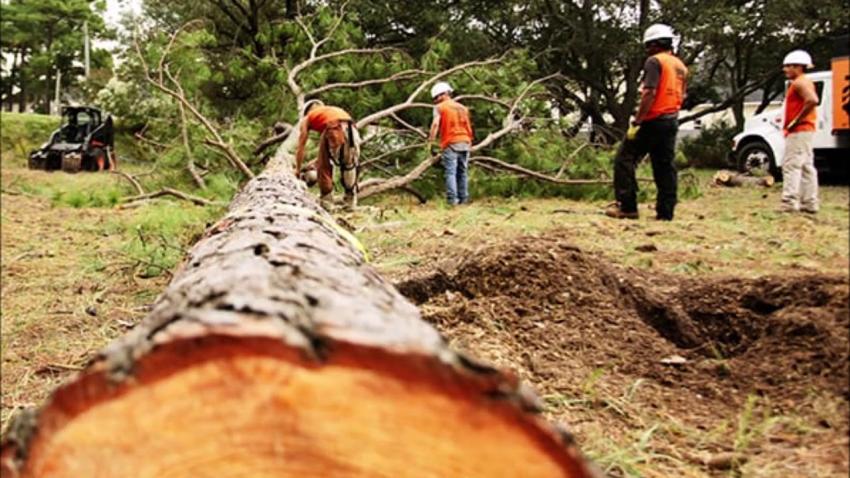
Sometimes, removing a tree feels like the only option. Maybe it's leaning too far. Perhaps it's rotting from the inside. Or worse, it's threatening your roof with every storm. Naturally, you're asking: What exactly does tree removal involve from start to finish? Greenland tree removal services follow a clear process. First comes inspection. Then comes preparation, cutting, clean-up, and finally, aftercare. Each stage matters because skipping even one can cause safety issues or property damage.
In this blog, you'll get a full breakdown of the process. From the first assessment to the last rake stroke, we'll explain every step in simple words. You'll know what to expect, what to watch out for, and why pros handle it best.
Inspection And Assessment Of Greenland Tree Removal Services
Everything starts with an inspection.
Before anything gets cut, a certified arborist checks the tree carefully. They look at height, width, condition, and risks. Without this step, everything else can go wrong fast.
At this point, the crew checks:
The tree's size and how close it is to your home
Whether it's diseased or hollow inside
If power lines, fences, or structures are nearby
The direction in which it may naturally fall
Where to set up equipment safely
As a result, this planning ensures the removal goes smoothly and safely.
After all, no one wants broken windows, squashed cars, or injuries from falling limbs. That's why tree removal services never skip this first step.
Getting Permits And Prepping The Site
Next, before touching the tree, the team handles the paperwork.
In many cities, a permit is needed. Especially if the tree is large, native, or in a historic district, skipping this step may lead to penalties or delays.
Once the permit is secured, the real prep begins.
Crews rope off the area and move vehicles out of harm's way. Then, they lay boards to protect your grass or garden. Meanwhile, they double-check for pets, people, or hazards nearby.
Quick Tip: Always tell your neighbors. That way, no one's surprised by noise or falling branches.
So, by handling this step right, the rest becomes much easier.
Climbing, Cutting, And Clearing
After everything is ready, cutting begins.
The crew usually starts from the top. They trim limbs and lower them safely. This prevents sudden drops and reduces yard damage. Because of this, clean-up becomes easier, too.
Then comes the trunk.
They cut it into small sections, not all at once. Using notches, ropes, and teamwork, they guide each chunk to the ground carefully.
Fact: Cutting down a tree might seem fast on TV, but Greenland tree removal services follow every safety rule—and for good reason.
So, while it may look simple, there's skill in every cut.
Dealing With Hidden Dangers
Unfortunately, not every tree comes down smoothly.
Often, trees hide serious issues that only appear during removal. Consequently, even healthy-looking trees can surprise you with:
Cracked trunks that fall in unexpected ways
Buried pipes or wires beneath the root system
Nests of bees or hornets hiding in limbs
Loose bark that peels and causes injuries
Sudden wind gusts that change direction mid-cut
Because of this, tree removal services stay alert and adjust on the fly.
Above all, this step proves why hiring pros matters. After all, one wrong move can turn costly or dangerous fast.
Stump Grinding Or Full Removal
Once the tree is gone, the stump stays behind.
Some people choose to leave it. Others want it gone completely. Either way, this step is next. Usually, stump grinding is faster. A large machine chews the stump below the surface so that grass can grow.
However, in some cases, roots need full removal.
That's a much bigger job. For example, if you're pouring concrete or building, you'll need everything cleared. This involves digging, sawing, and hauling.
Warning: Don't attempt this part yourself. The equipment is heavy, and the process is risky.
Because of that, trained help is your best bet here too.
Clean-Up And Waste Hauling
As soon as the stump work is done, clean-up begins.
Even if your yard looked clean before, now it's full of branches, sawdust, and bark. Fortunately, the team takes care of it all.
Here's what most Greenland tree removal services include:
Sweeping sidewalks and driveways
Raking leaves and small debris
Cutting logs into firewood
Chipping branches and hauling away mulch
Checking for nails, wires, or trash
So, while your tree might be gone, your yard can still look good.
Moreover, a clean finish helps prevent pests and keeps your lawn healthy.
Final Walk-through And Damage Check
Even with care, sometimes things go wrong.
For instance, tires may dent your lawn. Limbs might scratch fences. Or tools could hit sprinkler heads. That's why the final walk-through is so important.
Before the team leaves, they show you the site. Together, you inspect everything. If damage happens, they note it and explain how to fix it.
Here are key things to check:
Stump is flush or ground level below the grass level
No debris left behind
No broken pipes, tiles, or fences
The yard is safe for kids or pets
No leftover wires, tools, or branches
So, always finish with a proper walk-through. That way, you avoid surprises later.
Comparison Table: DIY vs. Professional Tree Removal
To help you decide, here's a quick breakdown of the difference.
Task
DIY Approach
Tree Removal Services
Time Taken
Multiple days
Done in hours
Safety Level
High risk, low gear
Fully trained with safety tools
Cost
Cheap up front, risky later
All-inclusive, insured work
Clean-up
All on you
They remove everything
Outcome
Unpredictable
Clean, safe, and finished properly
So clearly, hiring help means less stress and better results.
Step Eight: What Happens After It's Gone?
Now that the tree is gone, what's next?
The ground might feel empty. You may want to replant or reseed. Depending on your plans, the area needs some care.
Here's what to do next:
Fill in the stone well hole with soil
Add fresh sod or seed for grass
Water deeply for a few weeks
Watch for regrowth from roots
Avoid planting right away if the roots remain
Therefore, follow these steps to get your yard back to normal fast.
Additionally, good tree removal services offer guidance on what to do next. They can help you decide what to plant—or what not to.
Conclusion
So now you know—tree removal services involve more than chopping and hauling.
From inspection to clean-up, every part plays a role. Whether it's planning the cut, handling surprise roots, or hauling off the mess, each step matters. That's why it's better to let the pros handle it from start to finish.
In short, choosing Greenland tree removal services keeps your property safe, clean, and ready for what's next. When it comes to trees, starting right always ends better.