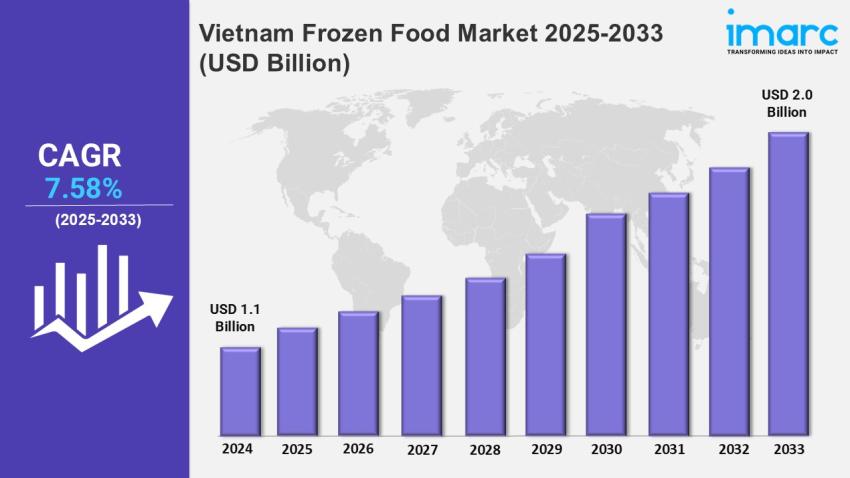
The Vietnam Frozen Food Market is growing rapidly due to changing consumer lifestyles and high urbanisation. As the number of urbanites increases, demand for the food quick and ready to eat has skyrocketed meaning frozen foods are an incredible option for the busy professionals and families. The emergence of the contemporary retail outlets such as the supermarkets and e-commerce systems have further made the frozen food products readily accessible, providing the consumers with a higher diversity of choice when it comes to frozen seafood and meats, as well as pre-packed meals. Also, the growing middle class is getting health-conscious and thus there is a demand for frozen foods, which would not lose value and freshness. Developments in freezing technology have enhanced product quality, increasing shelf life without harming palate and texture, thus negating traditional scepticism from consumers regarding frozen products.
The other major trend is the diversification of Frozen food range to accommodate changed tastes and dietary requirements. Local and international brands are diversifying into nontraditional offerings of Vietnamese cuisine but as well as global cuisines to attract young consumers who are more adventurous. The consumption of plant-based and organic frozen foods is also experiencing an increase in consumption, which has been mirrored by wider global trends to go green and be healthy. The food safety and traceability have become key issues that have led manufacturers to invest more into better packaging and clear supply chains. In the meantime, the foodservice industry including quick-service restaurants and catering businesses are more and more dependent on the frozen varieties of food products for consistency and for minimising waste. With an increase in awareness among consumers and as infrastructure becomes better, the frozen food market in Vietnam is set to grow with increasing innovations and new eating habits.
Through improved cold chain logistics, the growth of the frozen food market in Vietnam is driven by the improved product availability, even in the remote regions. Better transport and storage solutions are coming in to curb spoilage and ensure that the frozen products reach consumers in the best form and consequently increasing the belief in these products. Greater domestic production capacity is another major trend, with local producers investing in contemporary freezing practices to increase production to meet increased demand and decrease dependence on imports. The initiatives by the government to promote the food safety standards and agricultural modernization are also contributing to the growth of the industry. Also, the Western and Asian cuisines trends have contributed to the welcoming of frozen foods, especially among the younger generation who are concerned about convenience without sacrificing taste and quality.
Sustainability is becoming an identity in the frozen food industry, as producers and consumers are focusing on eco-friendly behaviors. Companies are embracing energy-efficient freezing techniques and biodegradable packaging to reduce environmental burden and as means toward achieving the global sustainability targets. At the same time, consumers are getting pickier, demanding both ethically sourced and minimally processed, frozen foods. The growth of meal kits and already pre-prepared frozen meals for people to cook at home is another important trend that represents the balance between the convenience and home-made authenticity. With the frequent changes in the eating habits, especially in post-pandemic times with the focus on hygiene and long keeping food supply, the frozen food market in Vietnam is quickly adapting to the time and trends and is becoming an integral part of the Vietnamese food industry. Armed with constant innovation and changing consumer demands, the sector is poised for high growth in the coming years.