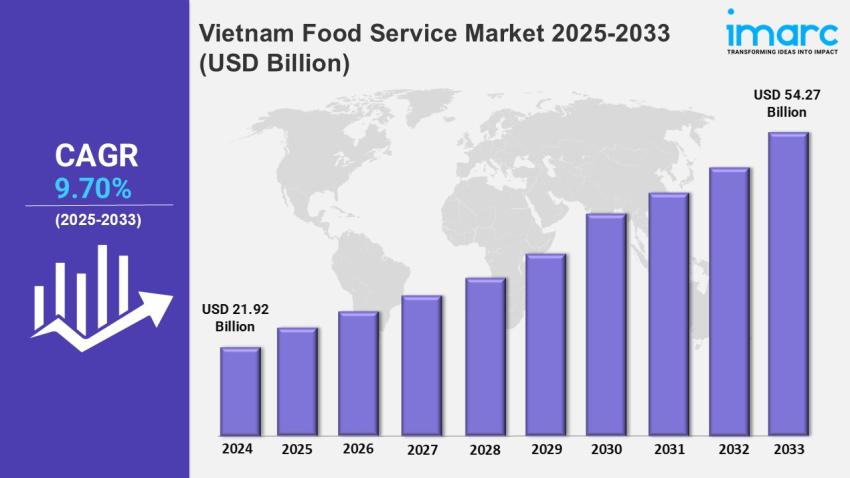
Consumer preferences and urbanization drive the Vietnam food service market that is currently undergoing a lot of change. And the trend that is really taking off in the industry is that of the desire for easy and quick-service options among the urban, and particularly, the younger, population. Street food, as it were, has always been a part of the Vietnamese culinary culture, and it hasn't failed to remain popular while it is getting reimagined to meet modern, hygienic conditions as food courts and grab-and-go kiosks. Parallel to this, the number of international fast-food chains is also increasing, and at a very quick pace, they are becoming a force in the market which makes them more suitable to Vietnamese consumers who are more and more cosmopolitan and demanding. The most important thing, however, is, of course, that people are becoming increasingly health-conscious when dining out, wanting organic, plant-based, and nutrient-rich meals. As a result, the food industry is now experiencing menu reinvention, which includes the process of using local, fresh ingredients and reducing artificial additives. Moreover, the industry is becoming increasingly digital, as online food delivery platforms are rapidly becoming popular and quite influential which, in turn, leads to traditional restaurants being able to reach a larger market. The other trend relates to embracing contemporary culinary practices while preserving the traditional flavors of Vietnamese cuisine; this has also become a hit, especially among the locals and tourists who are seeking the special dining experience of authentic yet innovative Vietnamese dishes.
The emphasis on sustainability is growing and is changing packaging selections as well as how suppliers are chosen in Vietnam’s food industry. Many businesses are now introducing greener practices, for example switching to biodegradable containers and using less plastic, as a result of consumer focus on environmental issues. There has been a recent increase in interest in experiential dining, as customers prefer not only to eat but also to have a distinctive cultural or interactive experience—this is seen in themed establishments, cooking schools, and farm-to-table services. Social media’s influence has contributed greatly to food trends, as attractive and creatively presented meals attract customer attention. Concurrently, the distinct culinary traditions of different Vietnamese regions are becoming better known, with restaurants promoting local dishes from around the country so diners can learn more about Vietnam’s food diversity. A rise in premiumization is evident in the market, as many people are now happy to spend more on premium culinary options. With stronger competition, enterprises are concentrating on building strong brands, improving atmosphere, and delivering enhanced service to stand out. On the whole, Vietnam’s food industry is becoming more exciting and dynamic by blending traditional values with contemporary trends to serve an expanding and more exacting clientele.