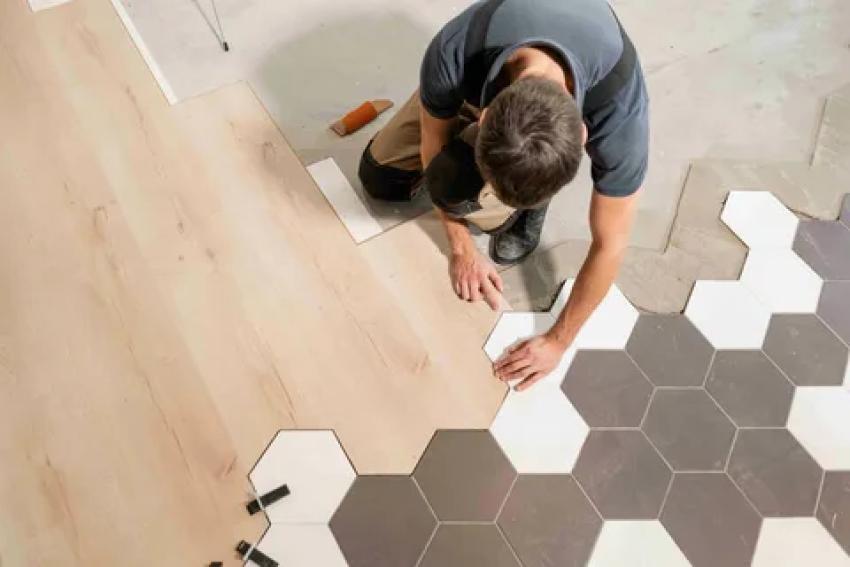
Tiles are tough cookies—but they’re only as strong as what lies beneath them! Whether you're dreaming of a sleek kitchen floor or a splash-proof bathroom wall, subfloor preparation is where the real magic begins. In fact, without proper groundwork, even the fanciest tile job can end in disaster (yikes!).
And let’s not forget— Burnaby porcelain and ceramic tile installation isn’t just about choosing the prettiest pattern. It’s also a science-meets-style kind of situation, and the subfloor? It’s the unsung hero of it all.
So, grab your grout and buckle up—we're about to dive deep into why prepping your subfloor is not just important... it's critical!
The Subfloor Preparation for Burnaby Porcelain and Ceramic Tile Installation
Think of your subfloor as the stage for a Broadway show. So, if the stage is wobbly, bumpy, or creaky, the whole performance flops. Moreover, the same goes for tiles!
Expert Insight: “Even the slightest dip in a subfloor can cause cracks in tiles over time. A smooth base also ensures longevity and stability.”
Here’s what happens if you ignore the subfloor:
Tiles may crack or break (ouch!).
Grout can crumble.
Water can seep underneath and cause mold.
You’ll likely spend more money fixing it later.
And let’s be real—no one likes redoing something they just also paid good money for.
Flat, Clean, and Dry: The Subfloor Trifecta
To make your subfloor truly tile-worthy, it must be:
Flat: No bumps, lumps, or slopes. Use a level to be sure!
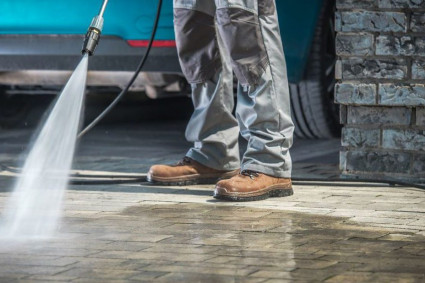
Clean: Dust, glue, or old staples? Could you get rid of them?
Dry: Moisture is the enemy. Wet subfloors = warped tiles.
Pro Tip: Always check for moisture with a simple moisture meter before laying tiles—especially in basements or bathrooms!
So, here’s a quick checklist to follow:
Prep Step
Why It Matters
Leveling
It also prevents tile cracks.
Cleaning
Ensures adhesion
Drying
It also avoids mold and mildew.
Sealing (if needed)
Adds extra moisture protection
The Truth About Porcelain and Ceramic Tile Installation
Let’s talk tile. More specifically, Burnaby porcelain and ceramic tile installation —because these beauties are durable, stylish, and perfect for high-traffic zones. However, it's important to note that these tiles require a strong and stable foundation.
Here’s why:
Porcelain is denser and less porous than ceramic.
Both are brittle if placed over unstable ground.
Moreover, they don’t bend—they break. It's also as simple as that.
Remember: Subfloors also hide under your tiles forever. So, if you skip proper prep now, the problem stays hidden—until it cracks the surface.
Wood, Concrete, or Something Else? Know Your Subfloor Type
Every tile adventure also starts with understanding what you’re standing on. Subfloors can be
Plywood or OSB: Common in homes but needs cement board or membrane on top.
Concrete: Great base—but only if it’s cured and crack-free.
Old tile or vinyl: It can work, but only if it's super solid (and you rough it up a bit for grip!).
Here’s how they stack up:
Subfloor Type
Pros
Cons
Concrete
Sturdy, durable
It can also have moisture issues
Plywood/OSB
Easy to work with
Also, needs additional support
Existing flooring
Saves time (maybe)
Risk of poor adhesion
“Don’t guess—test! Subfloors may look okay but be hiding trouble.” — Jenny P., Home Renovation Coach.
The Double Trouble of Not Prepping: Cracks and Hollow Spots
Are you considering skipping the prep? So, here’s what could happen:
Tile Cracking: A bumpy subfloor shifts tiles unevenly. Over time, pressure also makes them snap.
Hollow Spots: Areas where adhesive doesn’t bond properly will feel "empty" when you step on them. Not fun!
And yes, your feet will also notice.
Warning: These issues might also not show up immediately. It could be months before you hear that first mysterious crack!
Adhesion Is Everything (and Subfloor Makes It Possible)
Adhesive, or thin-set mortar, works best when your subfloor is prepped like a runway model. Any grease, debris, or unevenness also ruins the bond.
So, if you want tiles that stay stuck, say hello to:
Tile backer boards (for wood floors)
Primers and moisture barriers (for concrete)
Also, screws or nails properly fastened
And while we’re at it, don't forget expansion joints. Moreover, floors expand and contract with heat. Also, a good prep plan includes spacing for that.
Porcelain and Ceramic Tile Installation Requires Smart Planning
There’s a reason installers say Burnaby porcelain and ceramic tile installation is part craftsmanship, part science. No two floors are identical—and tile doesn’t forgive mistakes.
Did You Know? Uneven tiles are a common reason for repair calls in the first year of tiling.
Smart planning includes
Measuring twice (and cutting once!)
Mapping out tile layout beforehand
Choosing the right mortar for your surface
What Happens If You Skip Subfloor Prep?
Okay, maybe you’re thinking, “It can’t be that bad, right?”
Well… here’s a peek at what skipping the prep could also lead to:
Problem
Cause
Fix (and cost!)
Tile cracking
Uneven subfloor
Tile + labor replacement
Loose tiles
Poor adhesion
Reinstall sections
Grout crumbling
Movement beneath tiles
Regrouting and repairs
Water damage
No moisture barrier
Mold removal, subfloor fix
See? It’s always more expensive later.
Friendly Reminder: Subfloor prep might take a few extra hours—but it saves weeks of frustration down the line.
Why Preparation Makes All the Difference Down the Road
By now, you’ve probably guessed it: subfloor prep isn’t the boring part of tiling. It’s also the backbone of your entire project!
A well-prepped subfloor for porcelain and ceramic tile installation also leads to:
Stronger floors that last decades
Smoother surfaces for picture-perfect tile lines
Fewer repairs, saving you money and stress
More satisfaction every time you walk across your beautiful floor
So, whether you're tiling a mudroom, kitchen, or entire castle (hey, dream big), make subfloor prep your priority. Your tiles will thank you—and so will your wallet.
Fun Fact: Ancient Romans also used underlayment in their mosaics. So, really, this technique isn’t a new trend—it’s timeless wisdom.
Strong Foundations Lead to Flawless Tilework
In the end, Burnaby porcelain and ceramic tile installation isn’t just a job—it’s a dance between beauty and durability. Without subfloor preparation, your tiles could also be dancing to the wrong beat. But with the right groundwork? Moreover, it’s a standing ovation every time.
From smooth transitions to crack-free perfection, it all starts from the bottom. So next time someone skips the prep, you’ll know better (and maybe give them a gentle nudge). Because of smart floors? They don’t just happen. They’re also built—one solid layer at a time.