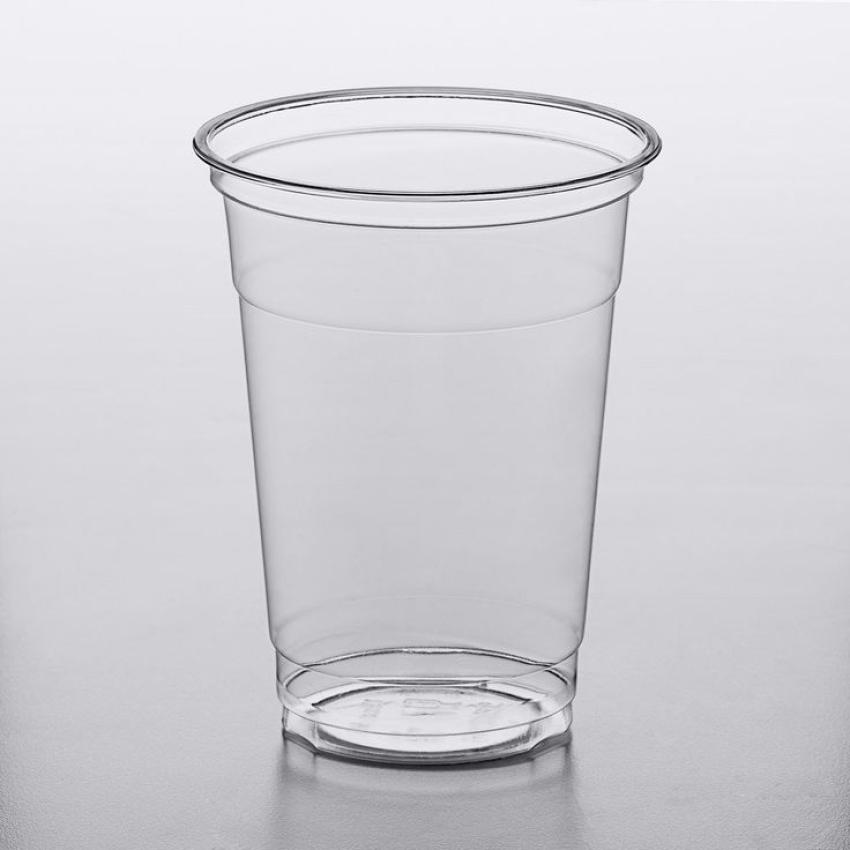
The Environmental Impact of PET Cups: Are They Sustainable?
In recent years, the growing concern for sustainability has pushed industries to reconsider the materials used in everyday products. One such product is the PET cup, a widely used item in the food and beverage industry. PET (Polyethylene Terephthalate) cups have become a staple in various applications due to their durability, light weight, and affordability. But as the global awareness of environmental issues intensifies, the question arises: Are PET cups sustainable? In this blog, we will dive deep into the environmental impact of PET cups, their recyclability, and the steps being taken to make them more sustainable.
What Are PET Cups?
PET cups are commonly used in the packaging of drinks, from coffee to smoothies, and in various events like catering and take-out services. PET is a type of plastic made from petroleum-based materials and is most popular for its transparency and resistance to shattering. It is often preferred in the food industry because it maintains beverage freshness, is lightweight, and cost-effective.
However, these same benefits also contribute to concerns about the environmental footprint of PET cups. They are used for single-serving beverages, and their short lifespan—often used once and discarded—has significant consequences when it comes to waste management.
The Environmental Concerns of PET Cups
While PET cups are made from a recyclable material, their widespread use raises several environmental concerns:
Non-Biodegradable Waste
PET cups are not biodegradable. Although they are recyclable, they remain in the environment for hundreds of years if not properly disposed of. Given the extensive use of single-use PET cups in coffee shops, fast food chains, and other establishments, these products significantly contribute to the global plastic waste crisis.Plastic Pollution
The large-scale consumption of PET cups contributes to the increasing volume of plastic waste in landfills and oceans. According to research, plastics like PET are among the leading causes of oceanic pollution, harming marine life and ecosystems. Improper disposal and lack of efficient recycling systems exacerbate the issue, leaving behind plastic litter that is hard to clean up.Carbon Footprint
The production of PET cups also has a carbon footprint. The process of manufacturing PET cups involves energy-intensive methods that rely on fossil fuels. This contributes to greenhouse gas emissions, further amplifying the environmental impact. Additionally, transporting these cups from manufacturers to suppliers and retailers adds to the carbon footprint due to transportation emissions.Recycling Challenges
While PET cups are technically recyclable, the reality is more complex. In many regions, recycling infrastructure is not efficient enough to handle the high volume of disposable PET cups. Many of these cups end up in landfills or are incinerated, releasing harmful gases. Even when PET cups are recycled, the process is not as energy-efficient as it could be, and the cups often end up being downcycled into lower-quality plastic products instead of being reused for high-value purposes.Chemical Contamination
Another environmental concern is the potential chemical leaching from PET cups. When exposed to high temperatures or UV light, PET can release harmful chemicals into the environment. These chemicals may find their way into water systems and ecosystems, adding another layer of pollution to the environment.
Are PET Cups Sustainable?
The sustainability of PET cups depends largely on how they are used and disposed of. While PET itself is a recyclable material, the lack of efficient collection and recycling infrastructure makes it difficult to reclaim. Furthermore, the increasing global demand for single-use plastics means that consumption is rising faster than recycling rates, perpetuating the cycle of waste and pollution.
However, this does not mean that PET cups are entirely unsustainable. There are several ways in which their environmental impact can be minimized:
Improved Recycling Programs
Enhancing recycling systems is crucial to reducing the environmental impact of PET cups. Some PET cup manufacturers are working on creating cups that are easier to recycle and using technologies that ensure a higher recycling yield. However, it will require collaboration between manufacturers, consumers, and local governments to establish more efficient recycling systems globally.Alternative Materials
A growing number of companies are exploring alternative materials to PET for single-use cups. For instance, biodegradable cups made from plant-based materials like cornstarch or sugarcane are being developed. These cups are designed to decompose faster than traditional plastics, offering an eco-friendly solution. Additionally, some PET cups are being made from recycled PET, reducing the need for virgin plastic production.Encouraging Reusability
One of the most effective ways to reduce the environmental impact of PET cups is by encouraging the use of reusable cups. Many coffee shops and businesses are now offering discounts to customers who bring their own cups, promoting a culture of sustainability. By transitioning away from single-use plastic cups, we can drastically reduce plastic waste.Education and Awareness
Raising awareness about the environmental impact of PET cups and encouraging consumers to recycle properly can go a long way in improving sustainability. In many cases, improper disposal is a major reason for the accumulation of PET cups in landfills, so educating consumers on how to dispose of them responsibly is key.
Role of PET Cup Manufacturers and Suppliers in Sustainability
As a PET cup manufacturer in Singapore, businesses have a significant role to play in driving sustainability within the industry. By adopting eco-friendly practices, using recycled materials, and working toward developing cups that are more easily recyclable, manufacturers can help reduce the environmental impact of their products.
Additionally, PET cup suppliers in Singapore can contribute to sustainability by promoting reusable alternatives and supporting efficient recycling programs. Working together with manufacturers, suppliers, and consumers to create a more sustainable lifecycle for PET cups is the ultimate goal.
Conclusion While PET cups are a convenient and affordable option for packaging beverages, their environmental impact cannot be ignored. From plastic pollution to high carbon emissions, the use of PET cups presents several sustainability challenges. However, through improved recycling systems, alternative materials, and promoting reusability, there is potential to make PET cups more sustainable.
As a PET cup manufacturer in Singapore, there is a growing responsibility to produce cups that are more eco-friendly, reducing their environmental impact. Similarly, PET cup suppliers in Singapore can contribute by promoting sustainable practices and working to ensure that PET cups are recycled properly. The shift toward sustainability in the industry is possible with collective effort, ensuring that PET cups can be a viable and environmentally responsible option in the future.